
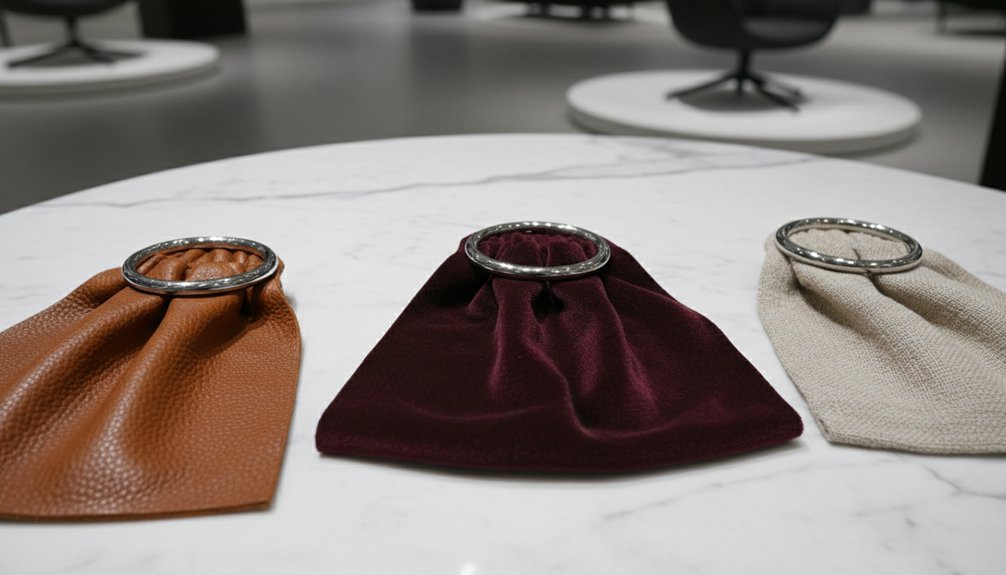
When you select upholstered furniture fabrics for your retail store, focus on durability, pricing, and customer demographics. Leather provides longevity, lasting 15-25 years, and offers premium margins of 45-60%. This fabric suits affluent customers who want investment pieces. Velvet, on the other hand, attracts young professionals. It has moderate durability and margins ranging from 35-50%. Lastly, linen appeals to budget-conscious families. It offers lower margins of 25-40% and has a shorter lifespan compared to leather and velvet.
To optimize your inventory, understand each fabric’s maintenance requirements. Customers will appreciate clear guidance on how to care for their purchases. Tailor your selection to meet the needs of your target market. This approach will help you maximize profitability and ensure customer satisfaction. By balancing these factors, you can create a well-rounded inventory that addresses the different preferences of your customer base.
Understanding the Core Properties of Leather, Velvet, and Linen
When you choose upholstered furniture, you typically encounter three common fabric options: leather, velvet, and linen.
Leather offers durability and develops a unique patina over time. It resists stains and cleans easily, making it a practical choice for busy households.
Leather’s resilient nature and easy maintenance make it an ideal investment for families seeking both style and practicality.
Velvet provides a luxurious feel with its soft texture and appealing appearance. Its ability to reflect light enhances the visual dynamics of a space, but it does require more careful upkeep compared to leather.
Linen delivers a breathable comfort with its natural variations in texture, promoting a relaxed and elegant atmosphere. However, its loose weave means it wrinkles easily and can stain more readily.
Understanding the specific properties of leather, velvet, and linen allows you to tailor your fabric choice to meet your customers’ needs and lifestyle preferences effectively.
Durability and Longevity Comparison Across Material Types
Each type of fabric used in furniture has unique characteristics, and their lifespans differ based on construction and daily usage.
Understanding the durability of these materials helps you make better choices for your customers.
Here’s a straightforward comparison of how these materials perform over time:
- Leather lasts between 15 and 25 years when maintained properly. It develops a desirable patina as it ages, while still holding its shape and structure.
- Linen provides a moderate lifespan of 7 to 12 years. However, it wrinkles easily and may show signs of wear faster than other fabric types.
- Velvet generally lasts 5 to 15 years, depending on its pile construction. Cotton velvet is the most durable option, while polyester blends offer a more affordable alternative.
- Traffic levels are crucial in determining fabric longevity. High-use furniture requires more durable fabric options, regardless of the material type.
When advising customers, consider the maintenance needs of each fabric.
Understanding these factors ensures that customers make informed decisions that align with their lifestyle and investment.
Pricing Strategies and Profit Margins for Each Fabric Category
Setting the right price for upholstered furniture requires balancing fabric costs, market demand, and target profit margins. Each fabric category has specific pricing approaches based on material expenses and customer expectations. Leather has a high fabric cost and perceived luxury value. You can achieve healthy profit margins by positioning leather pieces as investment furniture. Velvet offers a mid-luxury option with moderate material costs, allowing for good profit potential. Linen provides opportunities for volume-based sales with competitive pricing strategies. Additionally, understanding the characteristics of handcrafted furniture can further enhance your pricing strategy by highlighting unique product features.
| Fabric Type | Typical Margin | Pricing Strategy |
|---|---|---|
| Leather | 45-60% | Premium positioning |
| Velvet | 35-50% | Mid-luxury appeal |
| Linen | 25-40% | Volume-based sales |
Conducting regular margin analysis helps you optimize your pricing structure. This practice maintains profitability across all fabric categories. By evaluating costs and adjusting prices based on market trends, you ensure you effectively meet customer expectations while maximizing your profits.
Maintenance Requirements and Customer Education Points
Proper fabric maintenance is crucial for customer satisfaction and maintaining your business’s reputation. Educating customers on specific cleaning techniques and care requirements ensures longevity and usability of their purchases.
- Leather needs conditioning every 6-12 months. Recommend using leather-specific cleaners and conditioners to prevent cracking and keep the material supple.
- Velvet requires professional cleaning or gentle vacuuming. Advise customers to avoid water-based cleaners, as these can damage the fabric’s pile and leave permanent stains.
- Linen can be machine washed but wrinkles easily. Explain the importance of washing at appropriate temperatures and using proper drying methods to preserve the fabric’s integrity.
- Create maintenance cards for each purchase. Provide clear, written care instructions that customers can easily reference. This reduces warranty claims and enhances overall satisfaction.
Target Demographics and Market Positioning for Maximum Sales
Understanding your target market shapes every important decision in the upholstery fabric industry. Your target audience influences your fabric selection and pricing strategy.
For example, young professionals often choose modern velvet fabrics for their apartments. Families with children, on the other hand, need durable, stain-resistant options like treated linen or leather. Seniors typically prioritize comfort and easy maintenance over current trends.
Current trends indicate a growing demand for sustainable and pet-friendly fabrics. You can position leather as a premium luxury option for affluent customers who want long-lasting materials. Market velvet to millennials who are style-conscious and want Instagram-worthy interiors. Present linen as the practical choice for busy households that require washable options.
Your pricing strategy must reflect your demographic’s spending power. The luxury market allows for higher margins on premium fabrics. In contrast, budget-conscious customers focus on value and durability rather than designer labels.