
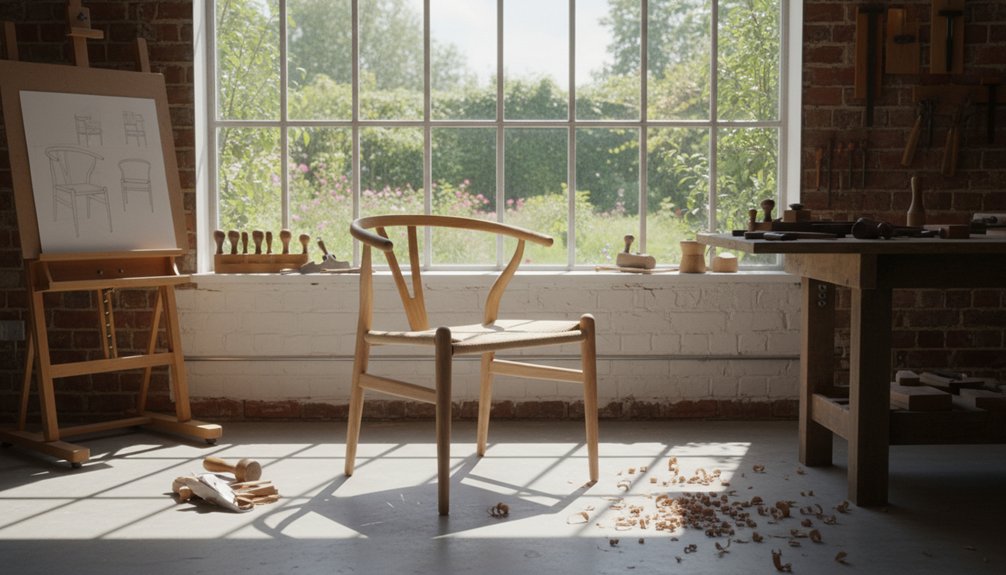
Hans Wegner transformed modern design by prioritizing aesthetic simplicity and ergonomic functionality. The Wishbone Chair stands out as his most recognized piece. This chair draws direct inspiration from traditional Chinese Ming chairs and Scandinavian minimalism. Wegner crafted the Wishbone Chair using sustainable materials, emphasizing a commitment to environmental responsibility. He employed traditional joinery techniques, which provide strength without the need for nails or screws.
Wegner’s design principles focus on creating timeless and versatile furniture. Each piece showcases craftsmanship that enhances both form and function. The Wishbone Chair, with its elegant lines and comfortable seating, exemplifies how design can be both beautiful and practical. By using these sustainable methods, Wegner not only produced visually appealing furniture but also contributed to a more sustainable design approach.
Professionals in the furniture industry can learn from Wegner’s emphasis on sustainability and craftsmanship. By adopting similar techniques, manufacturers can create high-quality pieces that resonate with consumers’ growing desire for responsible design. Exploring Wegner’s work offers valuable insights into effective design practices that prioritize both aesthetics and functionality.
How Hans Wegner’s Creativity Shaped Modern Design
Hans Wegner’s Impact on Modern Design
Hans Wegner significantly influenced modern design through his focus on aesthetic simplicity and ergonomic functionality. His furniture combines clean lines with comfort, ensuring pieces aren’t only visually appealing but also usable in everyday life. Wegner drew inspiration from Danish design traditions, integrating cultural elements that emphasize both beauty and practicality.
Wegner prioritized sustainable manufacturing by selecting natural and durable materials. For example, he often used solid wood, ensuring longevity while minimizing environmental impact. His commitment to sustainability aligns with modern consumer values, making his designs pertinent today.
Wegner’s creations balance form and function, demonstrating that elegance doesn’t sacrifice usability. Each piece is thoughtfully constructed, making them relevant across generations.
When you examine Wegner’s work, you’ll see how his designs, such as the Wishbone Chair or the Shell Chair, showcase this balance effectively.
Exploring Wegner’s Wishbone Chair Philosophy
Hans Wegner’s Wishbone Chair merges art and functionality effectively. The chair prioritizes ergonomic design, ensuring comfort while maintaining a stylish appearance. Wegner draws clear influences from traditional Chinese Ming chairs and Scandinavian minimalism. This combination results in a supportive seating option suitable for various home environments.
Key Elements of Wegner’s Philosophy
- Simplicity: The Wishbone Chair showcases a straightforward design, focusing on essential components without superfluous features. This minimalist approach enhances its appeal.
- Functionality: Each part of the Wishbone Chair serves a specific purpose, contributing to overall comfort and structural integrity. The design minimizes waste by ensuring every element is necessary.
- Balance: Wegner achieves a balance between visual aesthetics and practical use. The chair’s form doesn’t compromise its function, making it suitable for everyday use.
- Innovation: Wegner consistently explores new shapes and ideas. His approach respects traditional craftsmanship while introducing modern techniques, ensuring the Wishbone Chair remains relevant. This philosophy aligns with the principles of quality, handmade furniture, emphasizing timeless elegance through simplicity and practicality.
Crafting Wegner’s Masterpieces: Materials and Techniques
Wegner’s craftsmanship emphasizes specific materials and techniques that define his furniture. Wegner chooses sustainable materials like oak and ash, ensuring durability while supporting responsible sourcing practices. This choice guarantees that each piece lasts and aligns with environmental values.
Wegner employs joinery techniques, such as mortise and tenon, to create strong connections in his furniture. These techniques eliminate the need for nails or screws, resulting in seamless joints that enhance structural integrity. This approach demonstrates Wegner’s commitment to detail, simplicity, and functionality.
The Impact of the Wishbone Chair on Modern Furniture
The Wishbone Chair significantly influences modern furniture design through its focus on minimalist aesthetics, natural materials, comfort, and cultural relevance. This chair serves as a model for contemporary designers who prioritize clean lines and functional forms.
Minimalist Design
The Wishbone Chair exemplifies minimalist design by offering a simple structure without unnecessary embellishments. Designers aim for clarity in their work, drawing inspiration from this chair’s straightforward form. The chair’s design emphasizes the importance of functional beauty, which resonates in various modern furniture pieces.
A paragon of minimalist design, the Wishbone Chair embodies simplicity with its unadorned, essential structure.
Material Influence
The Wishbone Chair encourages designers to choose natural materials, promoting sustainability and quality craftsmanship. Many contemporary furniture makers now prioritize wood and natural fibers, aligning with the chair’s original construction. This focus on material choice drives a broader trend towards eco-friendly practices in the furniture industry, similar to the sustainable principles upheld by Artisan Furniture.
Breakthrough in Comfort
The Wishbone Chair integrates ergonomic features with aesthetic appeal. Its Y-shaped back and gentle curves provide support, which modern designers replicate in their seating solutions. This balance between form and function has set a standard for comfort in furniture design, influencing how new pieces are developed.
Cultural Icon
The Wishbone Chair’s presence in homes and public spaces establishes it as a cultural icon. Its design remains relevant across generations, influencing both residential and commercial interiors. Designers reference its timeless appeal when creating new work, ensuring that the chair’s legacy continues to shape modern style.
In summary, the Wishbone Chair impacts modern furniture design through its minimalist design, emphasis on natural materials, ergonomic comfort, and cultural significance. Designers continue to draw from its principles, ensuring its influence endures in contemporary furniture-making.
Why Hans Wegner’s Iconic Designs Stand the Test of Time
Why Hans Wegner’s Iconic Designs Endure
Hans Wegner’s iconic designs endure because of his skillful integration of form and function. Wegner created furniture that balances aesthetic appeal with practical use. Each piece exemplifies minimalism, offering comfort without unnecessary complexity.
For example, the Wishbone Chair features smooth lines and organic shapes, allowing it to fit seamlessly into diverse environments. Wegner focused on durability by selecting high-quality materials, which enhances both longevity and visual appeal. This commitment to craftsmanship ensures that each design remains relevant across different eras.
Wegner’s attention to detail sets his work apart. He meticulously considers how each element contributes to the overall functionality and style.