
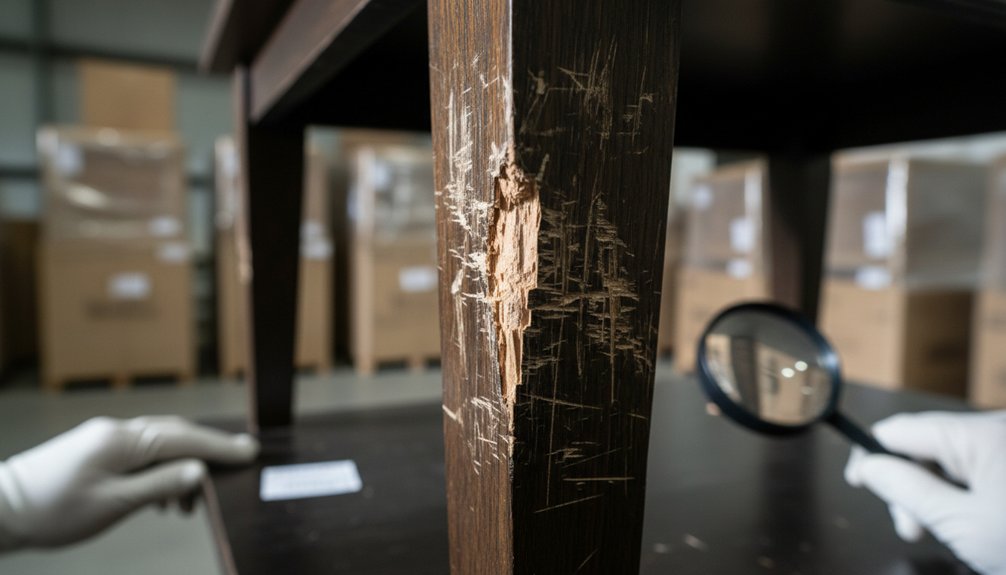
When you receive damaged wholesale furniture, take immediate action. First, photograph all defects from multiple angles to capture the extent of the damage. Then, write a detailed report that outlines the issues you’ve documented. Next, contact your supplier within 24 to 48 hours, providing them with your order numbers, delivery dates, and specific descriptions of the damage.
Review the warranty and liability clauses in your contract to understand what is covered and the procedures for filing a claim. After that, submit the official damage forms along with your supporting documentation. Be prepared to negotiate based on how the damage impacts your operations.
To prevent future quality issues, establish clear quality standards with your suppliers from the start. Keep performance scorecards to track their reliability and help strengthen your relationship with them. This will streamline the resolution process when problems arise and ensure that you can address issues quickly and effectively.
Establishing Quality Standards and Inspection Protocols Before Ordering
When you invest in furniture, you must set clear quality standards before placing an order. You establish specific quality benchmarks that define acceptable materials, finishes, and construction methods.
You create detailed inspection checklists that cover structural integrity, surface imperfections, hardware functionality, and packaging requirements.
You document your standards in writing and share them with suppliers before negotiations. You include acceptable tolerance levels for minor defects and specify which issues warrant rejection.
Your inspection checklists address joint stability, fabric alignment, wood grain consistency, and protective coating durability.
Comprehensive inspection checklists must evaluate joint stability, fabric alignment, wood grain consistency, and protective coating durability to ensure quality standards.
This proactive approach helps suppliers understand your expectations. It also provides you with solid grounds for claims if products don’t meet agreed specifications.
Documenting Damage and Quality Issues for Strong Claims Evidence
When you find damage or quality issues with your furniture, you must gather solid evidence to support your claim and obtain compensation.
Start by taking clear photographs of each defect. Capture images from multiple angles to show the extent of the damage.
Next, write a detailed damage report. Describe each issue clearly and include measurements if necessary.
Lastly, retain all original packaging materials. Keeping the packaging helps establish that the item was received in damaged condition.
Following these steps builds a strong case for your claim and demonstrates your entitlement to compensation.
Photograph All Defects Immediately
Photographs provide essential proof for any furniture damage claim. You must take immediate photos of defects to support your case with wholesale suppliers. Documenting damage right away helps avoid disputes about when the damage occurred.
Clear photographs strengthen your position during negotiations and highlight the seriousness of the quality issues.
Here are practical steps for effective defect identification:
- Capture multiple angles – Take photos of each defect from at least three different perspectives to show the extent of the issue.
- Include close-up shots – Focus on detailed views of scratches, dents, or manufacturing flaws to clearly illustrate the problems.
- Take wide shots – Photograph the entire piece of furniture to provide context for the defects you’re reporting.
- Use proper lighting – Ensure defects are clearly visible without shadows or glare for accurate representation.
Always timestamp your photos and store them in a secure location. This documentation is critical evidence when you file claims with suppliers.
Create Detailed Damage Reports
To effectively document damage for a claim, start with clear photographs of the affected areas.
Next, write detailed descriptions for each defect you observe. Specify the location of each issue, such as “three-inch diagonal scratch on left armrest.” Measure the size of each defect accurately and assess its severity. Include the model number, manufacturing date, and batch information for the furniture piece whenever possible.
Record the environmental conditions present during delivery and storage, as these factors may have contributed to the damage. This data is essential for understanding the context of the issues.
Provide timestamps for when you first noticed each defect. Note any immediate measures you took to minimize further damage, such as moving the piece away from moisture or securing loose parts.
Create a separate report for each damaged item. Organize the information chronologically to maintain clarity.
This systematic documentation approach enhances your claim and presents a professional image when discussing issues with wholesale suppliers. Always ensure that your descriptions are precise to avoid misunderstandings.
Preserve Original Packaging Materials
Preserving original packaging materials significantly strengthens your damage claims after delivery.
When you keep these materials intact, you ensure integrity throughout the claim process. Insurance adjusters and suppliers require original packaging to verify damage occurred during shipping rather than after unpacking.
Here are the essential packaging materials you should preserve:
- Outer shipping boxes – Store boxes that show external impact damage or crushing.
- Protective wrapping – Retain bubble wrap, foam padding, and plastic coverings that protected the item.
- Internal dividers – Save any cardboard separators or wooden frame supports that were included for safety.
- Documentation packets – Keep shipping labels, delivery receipts, and packing slips to provide a clear record.
After delivery, store these materials in a clean, dry location until your claim is resolved.
This evidence shows you handled the furniture properly and helps support your case.
Understanding Supplier Contracts and Liability Terms
When you buy furniture from a supplier, you enter into a contract that defines damage responsibility. The contract includes liability clauses that clarify when the supplier is accountable for defects and when you accept the risk.
Focus on warranty periods. These periods indicate how long the supplier covers manufacturing defects. Some contracts limit liability to just replacement costs, while others cover shipping and labor as well.
Warranty periods define coverage duration for manufacturing defects, with liability scope varying from replacement costs to full shipping and labor expenses.
Look out for force majeure clauses; these clauses release suppliers from liability during uncontrollable events like natural disasters.
Examine return policies closely. These policies outline the timeframes for reporting damage. Many suppliers require you to give written notice within specified periods.
Knowing these provisions informs you about the coverage you have when issues with quality arise.
Filing Damage Claims: Step-by-Step Process and Best Practices
When furniture damage happens, you need to take immediate action.
Start by documenting the damage thoroughly. Take clear photographs from multiple angles and write detailed descriptions of what’s affected.
Once you have this documentation, contact your supplier without delay. Follow the claim procedures outlined in your contract precisely.
This will help you avoid unnecessary delays and improve your chances of receiving the compensation you deserve.
Document Damage Thoroughly
Documenting furniture damage is essential for a successful claim. Gather comprehensive evidence before reaching out to your insurance company or moving company. A thorough damage assessment supports your claim effectively.
Follow these documentation steps:
- Photograph all damage. Use good lighting and take pictures from multiple angles to capture the extent of the damage clearly.
- Record detailed descriptions. Include specifics like dimensions, materials affected, and the severity of each issue to provide a full picture of the damage.
- Collect original purchase receipts. Keep warranty information handy for value verification and to establish ownership.
- Note the discovery date. Document when you first noticed the damage and the circumstances surrounding it for accurate context.
Quality documentation strengthens your position during negotiations. Include serial numbers, model information, and any previous correspondence with suppliers.
This comprehensive approach ensures you have all necessary evidence for a successful claim resolution.
Contact Supplier Immediately
Once you document the damage, you need to contact the supplier immediately to report the issue. Acting quickly shows professionalism and helps you avoid complications with your claim. Most suppliers require you to report damage within 24-48 hours of delivery.
When you reach out to the supplier, choose your preferred communication method—phone calls usually get quicker responses than emails. Provide your order number, delivery date, and a clear description of the damage. A prompt response from the supplier indicates their commitment to resolving the issue.
After your initial call, send a follow-up email summarizing the conversation. Include all relevant details and attach your damage documentation. This creates a record for both you and the supplier, ensuring that everyone is on the same page regarding the reported damage.
Follow Written Procedures
After contacting your supplier, you must follow their specific claim procedures to ensure proper processing. Each supplier has unique requirements for successful claim resolution. Following these protocols minimizes delays and ensures your claim gets the attention it needs.
Most suppliers require you to:
- Complete their official damage claim form with accurate product details.
- Submit clear photographs that show all damage from multiple angles.
- Provide original purchase documentation and delivery receipts.
- Include detailed written descriptions of each damaged item.
Consistently maintaining documentation strengthens your claim’s credibility.
Don’t deviate from the stated requirements, even if they seem excessive. Suppliers implement these standardized procedures to streamline processing and reduce disputes.
Keep copies of all submitted materials for your records. Follow up according to their specified timeline.
Negotiating Resolutions and Recovering Costs From Suppliers
When furniture suppliers deliver damaged goods or don’t meet agreed-upon quality standards, you must negotiate to recover your losses and obtain appropriate compensation.
Start by presenting your documented evidence, which includes photos of the damage and records of your communications. Clearly outline the specific damages, explain how they affect your business operations, and state your expected resolution, such as a refund or replacement.
Present documented evidence including damage photos and communication records, outline specific impacts on operations, and clearly state your expected resolution.
Prepare to negotiate by knowing your bottom line. If the supplier’s terms are unacceptable, be ready to walk away. Offer multiple solutions that can work for both parties, such as partial refunds, credits for future orders, or expedited replacements.
Focus on maintaining a long-term business relationship while addressing the current issue. Your cost recovery strategy should encompass all related expenses. Include the cost of replacement products, shipping fees for returns, labor costs associated with handling the damaged goods, and any potential lost sales due to delays. Additionally, familiarize yourself with the supplier’s dropship program, which may offer alternative solutions to address quality issues more effectively.
When you receive an initial offer from the supplier, don’t accept it right away. Counter with demands that are reasonable and supported by your documentation. This thorough approach increases your chances of recovering your costs effectively.
Preventing Future Quality Issues Through Supplier Management
Addressing costs from damaged furniture claims provides a temporary fix, but establishing strong supplier management practices effectively prevents these issues from happening again. Consistent monitoring and improvement of supplier performance is essential.
Here are key supplier management strategies that I implement:
- I conduct regular evaluations of suppliers. I assess their production capabilities, financial stability, and past performance metrics to ensure they can meet our standards.
- I schedule quarterly quality audits at manufacturing facilities. These audits help me identify potential problems before they impact our inventory, allowing for proactive corrections.
- I establish clear quality standards in contracts. I specify detailed requirements and acceptable defect rates to set expectations upfront, ensuring all parties understand what’s needed.
- I create performance scorecards for suppliers. These scorecards track delivery times, defect rates, and response times to quality issues, enabling me to measure their reliability accurately.
By implementing these strategies, I can spot unreliable suppliers early and maintain strong relationships with partners who consistently meet our quality expectations.
This proactive approach keeps our operations running smoothly and minimizes future quality issues.