
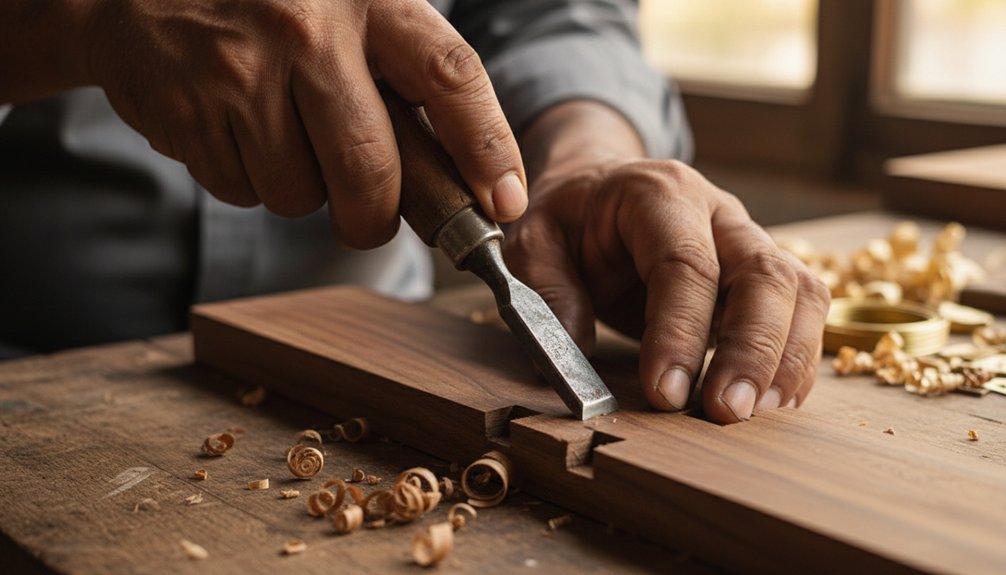
Indian artisans craft solid wood furniture using time-tested techniques like mortise-and-tenon joinery. This method creates strong connections between pieces of wood, ensuring durability that machine-made furniture lacks. Each artisan adds hand-carved details that showcase their skill and reflect cultural heritage, incorporating symbols like lotus flowers and elephants.
Artisans prioritize sustainable practices by using locally-sourced wood and natural finishes. This approach not only supports local economies but also minimizes environmental impact. Handcrafted furniture typically lasts over 50 years, while factory-made alternatives often need replacing after just 5 to 10 years.
The unique grain patterns in each piece mean no two items are identical. This individual craftsmanship makes every investment special and truly one-of-a-kind. If you want furniture that combines durability, beauty, and cultural significance, handcrafted solid wood furniture is an excellent choice.
Centuries-Old Techniques That Define Indian Woodworking Excellence
When you look at traditional Indian furniture, you see the result of woodworking techniques developed over thousands of years.
Artisans use hand chisels, bow saws, and wooden mallets to shape each piece accurately. These tools allow craftsmen to create detailed designs that machines can’t achieve. They employ joinery methods that don’t use nails or screws; instead, they rely on mortise-and-tenon joints and wooden pegs, which strengthen the structure over time.
Traditional joinery techniques using mortise-and-tenon joints and wooden pegs create furniture that grows stronger with age, no nails required.
Each region in India has its own unique woodworking style. For example, Rajasthani craftsmen focus on carving jharokhas, while Saharanpur artisans specialize in intricate floral patterns.
This variety showcases India’s diverse cultural heritage. Knowledge of these techniques is passed directly from master craftsmen to apprentices through hands-on training, ensuring that these centuries-old practices continue to thrive. Proper wood maintenance techniques are essential for preserving the beauty and longevity of these handcrafted pieces.
The Cultural Heritage Embedded in Every Handcrafted Piece
Indian furniture reflects the cultural beliefs and stories of its artisans. Each handcrafted piece carries symbolic meaning that connects you to India’s rich traditions. Artisans design furniture with motifs from religious texts, nature, and historical events.
For example, you’ll find lotus flowers carved into tables, which represent purity. Peacocks carved on chairs symbolize grace, and elephants on cabinets denote wisdom. These designs serve a purpose beyond decoration; they embody cultural significance passed down through generations.
Wood selection also reflects traditional symbolism. Artisans choose specific woods based on ancient beliefs regarding their protective properties or ability to bring prosperity.
When you purchase Indian handcrafted furniture, you acquire more than just a functional item. You gain a piece that embodies the values, spirituality, and artistic heritage of India’s master craftspeople. Each item tells a story, and understanding these stories enriches your appreciation of the craftsmanship involved. Additionally, the use of premium materials in production ensures that these pieces are not only beautiful but also durable and long-lasting.
Sustainable Practices: How Artisan Methods Honor Nature and Resources
Traditional Indian artisans implement sustainable practices that prioritize environmental responsibility.
These artisans source wood from locally managed forests, ensuring that their materials are eco-friendly and responsibly harvested. They minimize waste by transforming offcuts into smaller decorative items or functional joinery components, reducing the amount of material that goes unused.
Artisans use hand tools for their craftsmanship, which decreases energy consumption compared to modern machinery. Additionally, they apply natural oils and finishes, avoiding harmful synthetic chemicals that could impact health and the environment.
This commitment to natural materials helps preserve forests, as artisans prefer selective harvesting over clear-cutting. When customers buy handcrafted furniture, they support production methods that sustain resources over time. This approach ensures that future generations will have access to quality wood while maintaining ecological balance. Furthermore, by purchasing from a British brand, customers are also contributing to a global effort to promote sustainable craftsmanship.
Superior Durability and Quality Compared to Factory-Made Furniture
Handcrafted solid wood furniture provides better durability and quality compared to factory-made options. Artisans select premium hardwood and apply traditional joinery methods, ensuring strong and reliable construction. These techniques include mortise-and-tenon and dovetail joints, which create a sturdy framework that distributes stress evenly.
Factory-made furniture often uses staples, glue, and screws for joint construction, leading to weaker connections. Handcrafted pieces typically last over 50 years, while factory-made furniture usually lasts only 5 to 10 years. This significant difference in lifespan highlights the value of investing in artisan-crafted furniture.
Restoration is straightforward with handcrafted furniture. If a piece gets damaged, artisans can easily repair it or refinish it. In contrast, factory-made furniture often becomes irreparable due to its inferior materials, such as particle board and veneer.
The finish on handcrafted furniture uses hand-rubbed oil or natural wax, enhancing the wood’s beauty and durability. Factory-made options often rely on chemical sprays that may not provide the same level of protection or aesthetic appeal.
When you choose handcrafted solid wood furniture, you’re investing in long-lasting quality that stands the test of time. The weight, stability, and overall feel of these pieces demonstrate a level of craftsmanship that mass-produced furniture can’t match. Additionally, many wholesale furniture suppliers offer handcrafted options that further support the artisans behind these durable creations.
The Personal Touch: Why No Two Artisan Pieces Are Exactly Alike
When you buy handcrafted solid wood furniture, you gain a unique piece that showcases the artisan’s skill and creativity. Each craftsman uses techniques honed over years of experience, which leads to variations that set each item apart.
The natural wood grain patterns dictate the construction process, and the artisan adapts to these distinct characteristics. Hand-carved details, specific joinery methods, and finishing touches reflect the individual style of the maker. This craftsmanship gives your furniture a character that mass-produced options lack.
Small imperfections represent the authenticity of handwork, proving that human hands shaped your piece. Variations in color, texture, and size contribute to the individuality of each item. In addition, the unmatched quality and craftsmanship ensures that your investment is not only beautiful but also durable.
You’ll never find an identical piece, which enhances the value of your investment.