
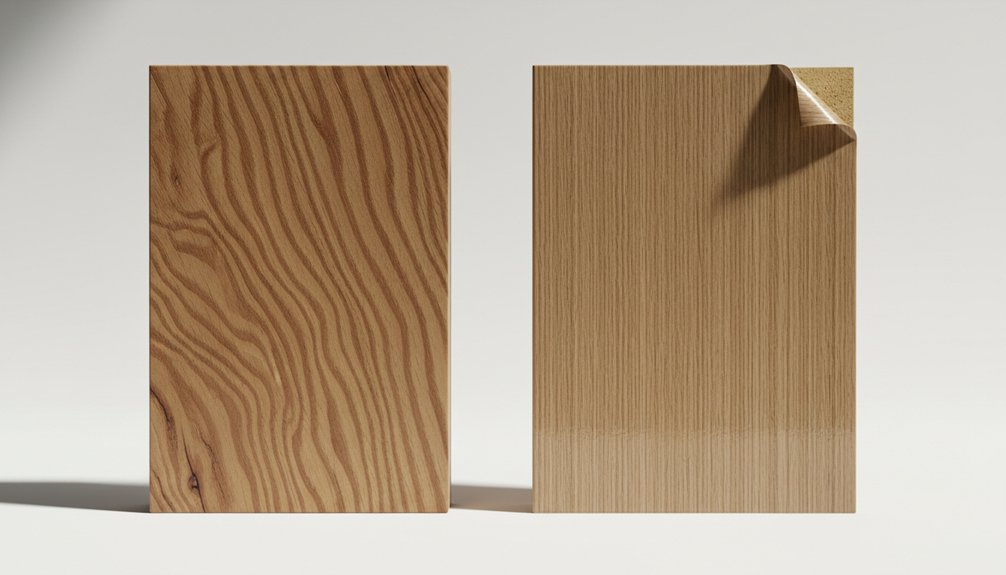
Solid wood furniture uses lumber cut directly from trees. Manufacturers join the wood using traditional methods. This approach offers excellent durability and allows for multiple refinishing options. However, solid wood furniture typically costs 40-60% more than veneer alternatives.
Veneer consists of thin wood layers bonded to substrate materials. This construction provides superior dimensional stability and budget-friendly pricing. However, veneer sacrifices refinishing capabilities compared to solid wood.
As a furniture retailer or interior designer, you need to balance your inventory. Solid wood furniture appeals to customers seeking premium quality. Veneer options attract budget-conscious buyers looking for faster turnover rates.
This guide will help you understand how each material affects your profit margins. Solid wood furniture can yield higher profits but requires more investment. In contrast, veneer allows for quicker sales at lower price points.
Maintenance requirements also differ. Solid wood furniture requires regular care to maintain its appearance. Veneer furniture, while easier to maintain, may not withstand heavy wear over time.
Sustainability goals are another consideration. Sourcing solid wood responsibly can enhance your brand’s eco-friendly image. On the other hand, veneer can utilize less wood and help reduce waste.
By understanding these differences, you can make informed decisions about your inventory. Choose solid wood for long-term investment pieces and veneer for accessible, trendy options. This strategy will help you align with customer needs while maximizing profitability.
Understanding the Core Differences: Construction, Composition, and Manufacturing Processes
Before you decide between solid wood and veneer furniture, it’s important to understand the manufacturing processes behind each material.
Solid wood furniture uses lumber cut directly from trees. Craftsmen join these lumber pieces using traditional methods like mortise-and-tenon joints or dovetails. They focus on selecting quality hardwoods or softwoods based on specific grain patterns and durability needs.
Craftsmen select premium hardwoods or softwoods, then join pieces using traditional mortise-and-tenon or dovetail methods for lasting durability.
In contrast, veneer furniture follows a different process. Manufacturers slice thin layers of wood, usually less than 3mm thick, from logs. They then bond these layers to substrate materials like plywood, MDF, or particleboard. This approach allows manufacturers to use less premium wood while still achieving an attractive finish.
They apply adhesives precisely and use pressing systems to create stable, layered compositions.
Understanding these manufacturing differences between solid wood and veneer furniture helps you make informed decisions for your projects.
Performance Comparison: Durability, Stability, and Long-Term Wear Resistance
When comparing the durability of solid wood and veneer furniture, it’s important to look at how each material holds up under different conditions.
Solid wood provides excellent wear resistance, especially for high-traffic items like dining tables and chairs. You can sand and refinish solid wood multiple times, which makes repairs easy when surface damage occurs. However, solid wood can warp and crack due to changes in humidity, which is a significant consideration in certain environments.
In contrast, veneer furniture offers superior dimensional stability. The substrate of veneer is designed to resist fluctuations in environmental conditions, making it a reliable choice in stable settings. Testing shows that high-quality veneer withstands everyday use quite well, but it has limitations when it comes to refinishing. The thin veneer layer restricts repair options; once damaged, the veneer can’t be sanded down like solid wood.
For commercial settings, solid wood typically outlasts veneer under heavy use. Solid wood’s ability to be refinished contributes to its longevity in a busy environment.
On the other hand, veneer maintains a consistent appearance over time in controlled environments where humidity and temperature don’t fluctuate significantly.
Cost Analysis and Pricing Strategies for Your Showroom Inventory
Understanding the cost differences between solid wood and veneer furniture plays a crucial role in managing your showroom inventory effectively. Solid wood typically costs 40-60% more than veneer options. This significant price difference impacts your pricing strategies and profit margins.
- Investing in Solid Wood: Solid wood requires a higher initial investment. However, it positions your inventory as premium, attracting customers willing to pay for quality.
- Targeting Customer Segments: Stock veneer furniture for budget-conscious buyers. Offer solid wood pieces to luxury clients who value durability and craftsmanship.
- Setting Markup Strategies: Veneer’s lower production cost allows you to implement competitive pricing. This strategy helps you maintain healthy profit margins while appealing to a broader audience.
- Managing Turnover Rates: Budget-friendly veneer pieces often sell faster than higher-priced solid wood items. Monitor your sales data to optimize inventory turnover.
Your pricing strategies should reflect the value of each material. Aim to meet your target market’s expectations and purchasing power while balancing quality and affordability. Additionally, consider the benefits of dropshipping and wholesale purchasing to enhance your inventory management decisions.
Maintenance Requirements and Client Care Instructions for Each Material
Your showroom’s success hinges on educating clients about proper furniture care, particularly for solid wood and veneer pieces, as their maintenance needs differ significantly.
Solid wood requires regular dusting with microfiber cloths to remove dirt and prevent scratching. Clients should apply protective finishes, such as wax or oil, periodically to keep the wood hydrated and prevent drying or cracking.
Advise clients to avoid placing solid wood furniture in direct sunlight and to maintain consistent humidity levels to protect the material. If deep scratches occur, clients can sand and refinish the surface, making repairs relatively straightforward.
Veneer, on the other hand, needs gentler cleaning techniques. Instruct clients to use barely damp cloths, ensuring they dry the surface immediately to prevent moisture from seeping into seams.
Unlike solid wood, veneer can’t withstand multiple sanding sessions, so applying protective finishes is crucial for its longevity. Emphasize the importance of using coasters under drinks and cleaning up spills promptly.
Water damage can be particularly harmful to veneer, so clients must be diligent in their care practices.
Sustainability Considerations and Environmental Impact in Material Selection
As environmental awareness increases among furniture buyers, showrooms must prioritize the sustainability of their materials.
Understanding the lifecycle assessment of solid wood and veneer enables informed decisions that resonate with clients’ values.
Lifecycle assessments empower showrooms to align material choices with environmentally conscious clients seeking sustainable, responsibly sourced furniture solutions.
Evaluate eco-friendly sourcing options by focusing on these key factors:
- Resource efficiency: Use veneer to maximize wood yield. Veneer requires less wood per piece compared to solid wood, allowing for better utilization of each tree.
- Forest certification: Seek out materials with FSC or PEFC labels. These certifications ensure that harvesting practices are responsible and sustainable.
- Transportation emissions: Choose locally sourced solid wood. Local wood generally has a lower carbon footprint than imported veneers, reducing overall emissions associated with transportation.
- End-of-life disposal: Opt for solid wood furniture. It’s easier to refinish and recycle, making it a more sustainable option at the end of its lifecycle.
Both solid wood and veneer can be sustainable materials when sourced responsibly. Additionally, consider partnering with dropshipping suppliers that emphasize eco-friendly practices in their product offerings.
Your material selection should reflect your brand’s commitment to environmental responsibility while still meeting durability and aesthetic standards.