
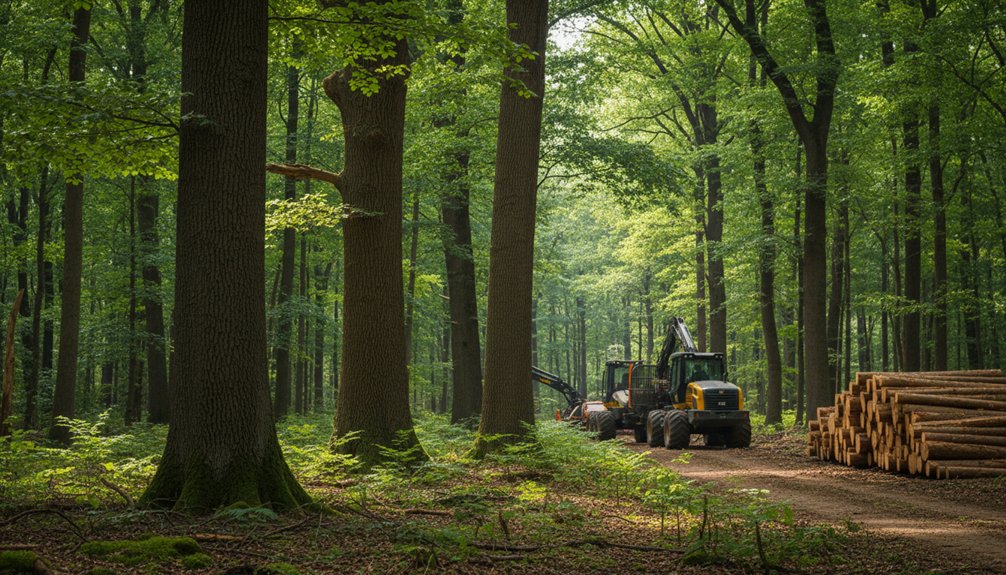
You can recognize sustainably sourced timber through VRIKSH certification. This certification ensures that forests are managed according to strict standards for environmental protection, social responsibility, and economic viability. VRIKSH certification demands responsible harvesting techniques that preserve biodiversity and protect wildlife habitats. It also supports local communities by promoting fair labor practices.
VRIKSH-certified timber comes from forests that actively maintain soil and water resources. These forests provide stable employment opportunities and community benefits. By understanding the VRIKSH certification standards, you can make informed purchasing decisions that support responsible forest management. This knowledge helps you choose timber products that align with sustainable forestry practices.
Understanding VRIKSH Certification Standards and Requirements
The VRIKSH certification system sets clear standards for sustainable timber harvesting and forest management globally. VRIKSH standards focus on three key areas: environmental protection, social responsibility, and economic viability. These requirements ensure that forests retain biodiversity, support local communities, and provide economic advantages.
When I assess timber suppliers, I look for VRIKSH-certified operations that practice responsible harvesting techniques. These techniques include preserving soil quality and protecting water resources. VRIKSH standards also require suppliers to safeguard wildlife habitats and implement forest regeneration programs.
Furthermore, these standards emphasize fair labor practices and community involvement.
To confirm a supplier’s certification, I rely on independent audits performed every three years. The audit process involves on-site inspections, thorough documentation reviews, and interviews with stakeholders. This comprehensive approach guarantees that certified timber adheres to strict sustainability criteria throughout the supply chain.
Environmental Benefits of Responsible Forest Management Practices
When we implement VRIKSH-certified forest management practices, we achieve significant environmental benefits that go beyond simply harvesting timber. Responsible forestry practices support healthy ecosystems and provide essential resources.
VRIKSH-certified practices protect biodiversity. They safeguard wildlife habitats, create corridors for animal movement, and preserve native plant species. This protection ensures that forest communities remain balanced and resilient.
VRIKSH-certified forestry creates safe wildlife corridors and preserves native species, maintaining the delicate balance that keeps forest ecosystems thriving.
VRIKSH-certified forests also enhance carbon sequestration. These well-managed forests absorb more carbon dioxide from the atmosphere compared to degraded woodlands. When you choose VRIKSH-certified timber, you actively contribute to climate change mitigation.
Additionally, responsible forest management prevents soil erosion and protects water quality. It maintains natural flood control systems, allowing forests to regenerate effectively.
This regeneration ensures that future generations can access the same environmental services that benefit us today.
Social and Economic Impact on Local Communities
Choosing sustainably sourced timber directly supports job creation in rural and forest-dependent communities.
Responsible forestry operations provide stable employment for local workers, who engage in harvesting, processing, and forest management roles. These jobs not only offer wages to families but also contribute to the local economy.
Timber revenues fund essential community infrastructure, education initiatives, and healthcare services.
Community Employment Opportunities
Millions of people around the world rely on forest-based industries for their jobs. Sustainable timber sourcing creates employment opportunities in rural areas where jobs are scarce. When you support certified timber operations, you directly contribute to job creation in these communities. Jobs include roles in forest management, harvesting, processing, and transportation.
Sustainable forestry practices focus on skill development for local workers. These programs teach modern forestry techniques, equipment operation, and safety protocols. Certified timber operations invest in their workforce through ongoing education and training. This investment helps communities maintain stable employment while also protecting forest ecosystems.
Jobs in certified timber operations often provide better working conditions and fair wages compared to unregulated logging. This leads to a more stable economic foundation for the entire community.
Local Economic Benefits
Sustainable timber operations create jobs and stimulate local economies. When you invest in responsibly managed forests, you support job creation in transportation, equipment maintenance, and administrative services. These jobs provide stable income not just for forestry workers but also for local suppliers, contractors, and service providers.
Timber revenue directly funds community infrastructure projects. Roads, schools, and healthcare facilities receive much-needed financial support from the profits generated by these operations. Local businesses benefit as forestry workers and their families spend their earnings on goods and services in the area.
Sustainable forestry practices promote long-term forest health. Healthy forests ensure ongoing economic opportunities for future generations. This approach avoids the pitfalls of short-term exploitation, which can deplete resources and lead to job losses.
Instead, sustainable timber operations create a cycle of economic growth that supports entire communities.
Comparing VRIKSH With Other Forest Certification Systems
Forest certification systems aim to promote sustainable forestry practices, but they vary significantly in their standards, geographic focus, and implementation methods. VRIKSH distinguishes itself within this landscape with its specific focus on Indian forestry and community engagement.
VRIKSH tailors its approach to the unique conditions of Indian forests. This certification system actively involves local communities in decision-making processes, which enhances stakeholder participation.
However, VRIKSH faces challenges in gaining global recognition when compared to well-established systems like FSC and PEFC.
Key differences between VRIKSH and other certification systems include:
- Geographic focus: VRIKSH concentrates on Indian forests, while FSC and PEFC operate on an international scale.
- Community participation: VRIKSH prioritizes local stakeholder involvement, fostering a sense of ownership among communities.
- Market recognition: FSC has wider global market acceptance, making it a more recognizable choice for timber sourcing.
- Certification costs: The expenses associated with certification can vary significantly across different systems, impacting the choice for forest managers.
Implementation Challenges and Solutions for Timber Companies
Sustainable timber certification presents several significant challenges for timber companies.
First, you’ll encounter high upfront costs when investing in the necessary systems and processes for certification.
Second, establishing complete supply chain transparency requires detailed tracking and documentation of each step from forest to end product.
Third, navigating the complex certification processes varies across different systems and can be time-consuming.
To address these challenges, focus on creating a detailed budget that accounts for both initial and ongoing costs.
Next, implement a robust tracking system to ensure transparency throughout your supply chain.
Finally, develop a clear understanding of the certification processes relevant to your operations.
Cost and Investment Barriers
Timber companies face financial barriers when transitioning to sustainable sourcing practices. These barriers can hinder or even halt their efforts to implement responsible forestry. Companies encounter direct costs that strain budgets and investment challenges that require thorough planning and resource management.
Here are the primary financial hurdles you’ll encounter when implementing sustainable practices:
- Certification costs – Obtaining VRIKSH and other sustainability certifications involves significant upfront fees and ongoing audit expenses.
- Technology upgrades – Implementing new tracking systems and monitoring equipment necessitates substantial capital expenditures.
- Training expenses – Educating staff on sustainable practices demands both time and financial investment.
- Supply chain modifications – Restructuring procurement processes incurs various operational costs.
To overcome these financial barriers, consider a phased implementation strategy.
Seek out government incentives that support sustainable practices.
Look for partnerships with sustainability organizations that can provide financial assistance and technical expertise.
These approaches can help you manage costs while moving toward sustainable sourcing.
Supply Chain Transparency
Timber companies face significant challenges in achieving sustainability, particularly in establishing clear visibility throughout their supply chains. Tracking wood from the forest to the final product requires attention to multiple intermediaries, making it difficult to verify sources accurately.
To address this, companies must implement supply chain mapping. This involves documenting each step in the timber’s journey, including harvesting locations, processing facilities, and transportation routes. By creating a comprehensive map, companies can more effectively verify that their wood adheres to sustainability standards.
Next, companies need to invest in traceability solutions. This means adopting technology systems that track products at every stage of the supply chain. Digital platforms, blockchain technology, and RFID tags are effective tools for maintaining detailed records. These solutions enable companies to prove their timber’s origin and demonstrate compliance with certification requirements to customers and regulators.
Certification Process Complexity
Supply chain transparency is crucial for sustainable timber practices, but navigating the certification process can be challenging for companies, even those with experience. Companies must meet various certification criteria that differ across standards, which requires specific documentation and evidence.
Auditing processes require thorough preparation and can take several months to complete.
Here are some common challenges companies face during certification:
- Companies must meet diverse certification criteria across multiple international standards.
- Auditing processes often involve lengthy evaluations and multiple site visits.
- Companies need to coordinate documentation requirements from various supply chain partners.
- Companies must balance certification costs with operational budgets.
To tackle these challenges, companies should establish dedicated certification teams that focus on compliance.
Investing in digital tracking systems can streamline documentation and improve efficiency. Partnering with experienced consultants can provide valuable insights and guidance.
Initiating pilot projects allows companies to better understand certification requirements before rolling out full-scale implementation across their operations.
Making Informed Purchasing Decisions as a Consumer
To ensure the wood products you buy support sustainable forestry practices, focus on timber certification marks. These marks indicate responsible management of forests. Your purchasing choices impact global forest management. Check for well-known certification labels like FSC, PEFC, or VRIKSH on products such as lumber, furniture, and paper.
| Purchase Decision Factor | Questions to Ask |
|---|---|
| Certification Labels | Does the product have valid certification marks? |
| Product Origin | Where was the timber harvested? |
| Supplier Transparency | Can the retailer provide documentation on sustainability? |
| Price vs. Value | Does the price reflect responsible sourcing practices? |
| Alternative Options | Are certified alternatives available? |
Research manufacturers’ sustainability practices before making a purchase. Engage with retailers about their sourcing policies. Select companies that prioritize environmental responsibility. Your informed purchasing decisions promote sustainable practices within the timber industry.