
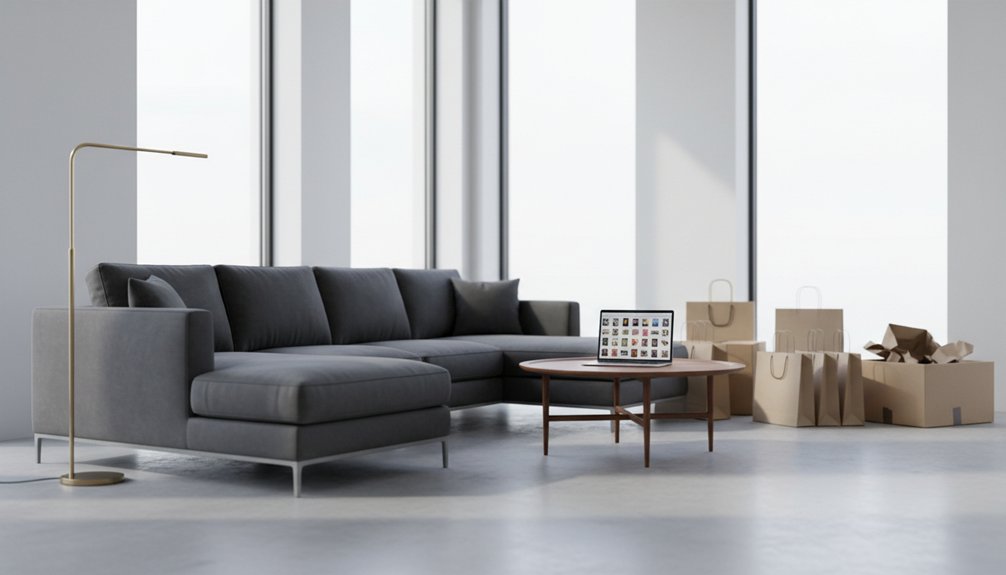
To achieve profitability in furniture dropshipping through Google Shopping, focus on optimizing your product feeds. Use targeted keywords like “wooden dining table” to improve search visibility. Include high-quality, multi-angle images of your products to attract potential buyers.
Implement strategic bidding based on product categories. Set conservative bids for high-value items like bedroom sets to protect your margins, while being aggressive with bids for impulse purchases that can convert quickly.
To tackle shipping challenges, partner with regional carriers who can provide reliable service. Offer white glove delivery options to enhance customer satisfaction and differentiate yourself from competitors.
Calculate your break-even cost-per-click by analyzing your profit margins and conversion rates. This calculation helps you maintain a competitive edge while maximizing returns. Use advanced campaign optimization techniques to continually refine your strategy and improve performance.
Setting Up Google Shopping Campaigns for Furniture Dropshipping Success
Three key components create successful Google Shopping campaigns for furniture dropshipping: optimize product feeds, structure campaigns effectively, and implement a solid bidding strategy.
First, optimize your product feed by ensuring that all product titles, descriptions, and images clearly represent the furniture items. Use specific keywords that potential customers might use, such as “wooden dining table” or “leather sectional couch.” This optimization improves the visibility of your products in search results.
Next, structure your campaigns by dividing furniture categories into separate ad groups. For example, create distinct ad groups for dining sets, bedroom furniture, and living room pieces. This organization allows for better budget allocation and performance tracking, enabling you to see what categories are performing well and which ones need adjustments.
Then, focus your audience targeting on users actively searching for specific furniture items. Avoid broad home décor terms that attract less relevant traffic. Configure your campaigns to target high-intent keywords like “buy dining table” or “modern sofa for sale.” Utilize negative keywords to filter out irrelevant clicks, which helps conserve your budget.
Finally, begin with manual bidding to maintain control over costs. This approach allows you to gather performance data before potentially switching to automated bidding strategies. Monitor your campaigns closely and adjust bids based on performance metrics to optimize your return on investment. Additionally, consider leveraging wholesale furniture benefits to enhance your overall pricing strategy and attract more customers.
Product Feed Optimization Strategies for Maximum Visibility
Campaign structure lays the groundwork for Google Shopping success. Your product feed acts as the engine that enhances visibility and boosts click-through rates. To excel in furniture dropshipping, you must optimize your product data consistently.
Start with keyword research to discover the terms your target customers use when searching for furniture. Use these keywords naturally in your product titles. For example, use “mid-century modern dining table” instead of the generic “table.”
Write product descriptions that focus on key features, materials, and dimensions that shoppers care about. Align your product categories with Google’s taxonomy. This improves accuracy in ad placements.
Use high-quality images that display furniture from different angles. Maintain consistent pricing across all platforms to prevent disapprovals. Additionally, consider featuring artisan furniture features that highlight the unique qualities of your products, which can further attract potential buyers.
Bidding Techniques and Budget Management for Furniture Categories
After optimizing your product feed, your focus should shift to managing bids and budgets to improve return on ad spend.
Furniture categories demand tailored bidding strategies because customers typically conduct thorough research before buying high-ticket items like sofas or dining sets.
Allocate your budget strategically across furniture categories to capture customers at different stages of their buying journey:
- High-value items: Set conservative bids using enhanced CPC for bedroom sets and sectionals to ensure profitability while still attracting potential buyers.
- Impulse purchases: Employ aggressive manual bidding for decorative accessories and small furniture to drive quick conversions when customers are ready to buy.
- Seasonal products: Raise bids for outdoor furniture and holiday décor during peak demand periods to capitalize on increased interest.
- Brand searches: Assign larger budgets to branded campaigns targeting high-conversion intent customers to maximize your return.
Review performance metrics weekly.
Adjust your bidding strategies based on conversion data rather than just click volume. This approach ensures you’re making informed decisions that drive actual sales, rather than merely increasing traffic. Additionally, consider leveraging dropshipping services as they can help reduce overhead costs while maintaining a diverse inventory of solid wood furniture and décor accessories.
Profit Margin Calculations and Pricing Strategies That Work
Furniture retailers often face challenges with low profit margins in Google Shopping campaigns. To address this, perform a detailed profit margin analysis that takes into account product costs, shipping fees, platform commissions, and advertising expenses.
Calculate your break-even cost-per-click by dividing your profit per sale by your conversion rate.
To maintain competitive pricing, regularly monitor competitor prices at least once a week using tools like SEMrush or by conducting manual searches. Set your prices within 5-10% of market leaders while ensuring you remain profitable.
Implement dynamic pricing strategies for seasonal items, such as outdoor furniture, during peak months.
Direct your advertising budget towards products with profit margins above 40% to better absorb the costs of higher click rates.
Gradually test small price increases on your best-selling items to identify the optimal balance between conversion rates and profit maximization. Additionally, consider the unique characteristics of handcrafted furniture that can justify higher pricing and enhance perceived value for consumers.
Overcoming Furniture-Specific Challenges in Google Shopping
Running Google Shopping ads for furniture presents specific challenges that aren’t common in other product categories. High shipping costs can significantly cut into your profit margins, making pricing strategies crucial.
Customers often have difficulty imagining how large furniture items will fit into their homes, which can hinder their purchasing decisions.
To address these obstacles, focus on clear product descriptions and high-quality images that showcase furniture in real-life settings. Utilize augmented reality tools to help customers visualize how pieces will look in their spaces. Additionally, implementing regular dusting and maintenance can ensure that your furniture remains appealing and well-presented in ads.
Consider offering free shipping or easy return policies to alleviate concerns about costs and fit. By implementing these strategies, you can make your furniture ads more competitive and increase conversion rates from potential buyers.
High Shipping Cost Solutions
When furniture retailers deal with high shipping costs in Google Shopping campaigns, they need to take concrete steps to stay competitive without hurting their profit margins. High shipping fees can push potential customers away and make campaigns less effective.
Here are practical strategies to tackle shipping cost issues:
- Partner with regional carriers – Collaborate with local delivery services that focus on furniture transport. This partnership can lower long-distance shipping fees and enhance delivery efficiency.
- Implement tiered shipping rates – Establish free shipping thresholds that motivate customers to place larger orders. This approach helps maintain profitability on smaller purchases while incentivizing higher sales volumes.
- Explore shipping alternatives – Consider offering white glove delivery services or allowing customer pickup. These options provide flexibility and can cater to different customer preferences, reducing shipping costs.
- Optimize cost-effective packaging – Use lightweight and protective materials that minimize dimensional weight charges. This practice ensures product safety during transit while keeping shipping costs manageable.
Visual Product Representation
Furniture retailers encounter specific visual challenges when presenting products in Google Shopping ads. Customers can’t physically interact with items before making a purchase. To address this, retailers must provide high-quality product images that effectively compensate for this limitation.
Retailers should focus on capturing multiple angles of each piece. Displaying scale, texture, and functionality is crucial. Lifestyle shots are equally important; they demonstrate how furniture integrates into actual living spaces. For instance, show a sofa placed in a cozy living room setting instead of on a plain white background. Present dining tables with elegant place settings and tasteful décor. These contextual images help customers visualize how products will fit into their homes.
Investing in professional photography is essential. High-quality images should highlight details such as wood grain, fabric texture, and construction features. Clear and detailed product images help set accurate expectations regarding size, color, and quality. This clarity reduces return rates and boosts conversion rates.
Advanced Campaign Optimization and Performance Scaling Methods
Once you establish baseline performance for your Google Shopping campaigns focused on furniture, you need to implement advanced optimization techniques. These techniques will help you maximize your return on investment and scale your profits effectively.
You must advance beyond a basic setup and adopt strategies that drive sustainable growth in your campaigns.
Start with bid strategy refinement. Analyze your ad performance data to pinpoint high-converting product categories. Adjust your bids for these categories to ensure you achieve maximum profit margins.
Next, utilize competitive intelligence. Conduct regular competitor analyses to identify pricing gaps and positioning opportunities in the furniture market. This information will guide your pricing strategy and help you maintain a competitive edge.
Then, focus on audience segmentation. Create custom audiences based on customers’ purchase histories and browsing behaviors. Deliver targeted product feeds to these audiences for increased engagement and conversion rates.
Finally, implement performance monitoring. Establish automated rules that allocate budgets and adjust bids based on real-time conversion data. This will optimize your spending and enhance your campaign’s effectiveness. Additionally, consider partnering with trade only furniture suppliers to access unique products that differentiate your offerings in the market.