
To boost furniture sales revenue, implement automated post-purchase email sequences. These emails provide customers with delivery updates, assembly support, and product recommendations. Segment your customer base by purchase history and price points. Send targeted emails that showcase room styling ideas and complementary products based on their previous purchases.
Time your seasonal campaigns to align with customer needs. Promote outdoor furniture during the summer months and cozy accent pieces during winter. Monitor key performance indicators like open rates, click-through rates, and conversion metrics. Integrate customer testimonials into your emails to build trust and encourage repeat purchases.
By applying these strategies, you can effectively transform one-time buyers into loyal customers and increase your overall sales. Focus on the specific actions you take to engage customers after their purchase, and ensure each email serves a clear purpose.
Building Your Foundation: Essential Components of Post-Purchase Email Automation
When customers buy furniture, they enter a crucial phase in their relationship with your brand. To strengthen this relationship, you must implement a robust post-purchase email automation system with several key components.
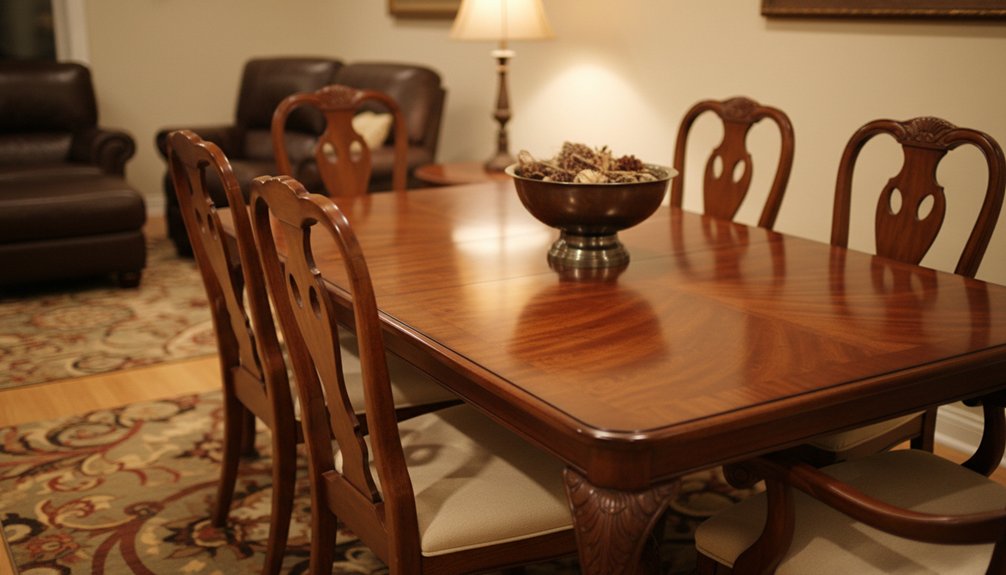
First, segment customers based on their purchase history, price points, and product categories. This segmentation allows you to send tailored messages that resonate with different buyer groups. For example, if a customer buys a dining table, you can send related content that appeals specifically to dining room needs.
Second, establish clear trigger points for each email in your sequence. These trigger points include sending order confirmations immediately after purchase, providing shipping notifications when the order ships, sending delivery updates on the expected arrival date, and following up with satisfaction surveys after delivery. Each email serves a specific purpose in building customer confidence and engagement.
Third, create a content calendar. This calendar should balance promotional messages with valuable information. For instance, send care instructions for the purchased furniture along with styling tips that help customers envision how to integrate their new items into their homes. This approach keeps customers informed and engaged. Additionally, you can highlight real-time inventory updates to reassure customers that their chosen items are readily available.
Finally, design mobile-responsive email templates. These templates need to reflect your brand identity while ensuring readability on all devices. Many customers check emails on their phones, so a clear and accessible layout is essential for effective communication.
Delivery and Assembly Support: Enhancing Customer Experience Through Helpful Communication
After you finalize your purchase, start by confirming the delivery timeline. Send customers an immediate notification about when they can expect their items.
Immediate delivery confirmation sets clear expectations and starts building customer trust from the moment of purchase.
As the delivery process continues, provide updates at each stage: when the items are being prepared, when they’re shipped, and when they’ll arrive. This clear communication reduces customer service inquiries and helps build trust.
For items that require assembly, send assembly tips ahead of the delivery day. Include links to video tutorials, a list of necessary tools, and an estimate of how long the assembly will take.
After delivery, follow up with resources for troubleshooting common assembly issues. Also, offer professional assembly service options for customers who might need extra help. Partnering with local assembly services can make this process smoother for everyone.
This approach helps turn the often stressful delivery and assembly process into a positive experience, reinforcing customer relationships and minimizing returns. Additionally, providing proper care techniques ensures that customers can maintain the beauty and longevity of their new furniture.
Room Styling and Complementary Product Recommendations: Strategic Cross-Selling Techniques
Subject: Transform One-Time Buyers into Loyal Customers
Action: Send tailored emails that showcase how purchased furniture integrates into full room designs.
Object: These emails provide visual styling inspiration to help customers see new possibilities for their spaces while highlighting complementary products they may not have considered.
Subject: Enhance Customer Experience
Action: Utilize smart product pairing logic to suggest items that naturally complement previous purchases.
Object: This strategy ensures recommendations feel helpful rather than pushy, contributing to a positive customer experience.
Subject: Increase Average Order Value
Action: Focus on showcasing related products that enhance the overall design of the customer’s space.
Object: By doing this, you not only satisfy customer needs but also increase the average order value with relevant suggestions. Additionally, consider promoting wholesale furniture options that can cater to customers looking for bulk purchases for larger spaces.
Visual Styling Inspiration Emails
Furniture retailers can enhance product showcases by creating inspiring design visions that boost sales. Visual styling inspiration emails present complete room designs that illustrate how individual pieces complement one another. By photographing furniture in realistic settings, retailers can demonstrate current design trends and visual aesthetics.
These emails should display professionally styled rooms featuring multiple coordinating products. This setup allows customers to see how to achieve the showcased look in their own spaces.
Including clickable hotspots or product callouts in the emails connects customers directly to each featured item. This strategy simplifies the buying process and encourages customers to make purchasing decisions without uncertainty.
When customers buy entire room collections instead of single items, average order values increase.
Smart Product Pairing Logic
Smart product pairing logic enhances email marketing by identifying items that complement each other. This process analyzes purchase history, browsing patterns, and room categories to suggest items that fit together. For example, when a customer purchases a dining table, the system recommends chairs, pendant lighting, or table runners that match.
Effective smart pairing considers customer preferences such as style, color, and price range. This allows for tailored suggestions based on whether a customer prefers modern, traditional, or eclectic designs.
Segmenting recommendations in this way increases the chances of additional sales and helps customers create cohesive room designs they appreciate.
Seasonal Refresh Campaigns: Timing Your Upselling for Maximum Impact
Subject: Timing Seasonal Refresh Campaigns for Effective Upselling
Action: Connect with customers when they consider home updates.
Object: Use seasonal refresh campaigns to drive sales.
Successful furniture retailers know that timing is crucial for effective upselling. Seasonal refresh campaigns create prime opportunities to engage customers who are already thinking about improving their living spaces.
Align your email marketing with seasonal trends to maximize your impact. For spring, focus your campaigns on brightening pieces that enhance the home, such as colorful throw pillows and outdoor furniture.
In summer, promote patio sets and lightweight fabrics that suit warm weather. During fall, target cozy additions like warm blankets and accent lighting that create a welcoming atmosphere.
In winter, emphasize comfort items like plush rugs and fireside seating that invite relaxation. Consider highlighting handcrafted furniture options that showcase unique patterns and finishes to appeal to customers seeking exclusivity.
Schedule your email campaigns 2-3 weeks before each season begins. This timing allows customers to plan their purchases and builds anticipation for seasonal changes.
Customer Feedback Loops: Turning Reviews Into Revenue Opportunities
You can turn customer reviews into revenue by using automated systems to collect feedback at key points in the buyer’s journey. These systems capture genuine testimonials when customers are most satisfied, which provides social proof for marketing efforts.
When businesses include real customer experiences in their emails, they build trust with potential buyers. This trust leads to higher conversion rates compared to relying solely on traditional product descriptions.
To implement this, first identify the touchpoints in the buyer’s journey where customers are likely to provide positive feedback. Then set up an automated system to request reviews at these moments.
After gathering the testimonials, integrate them into your marketing materials. This process not only showcases authentic experiences but also enhances credibility and encourages new customers to make purchases. Additionally, leveraging customizable options can create personalized marketing campaigns that resonate more deeply with customers.
Automated Review Collection Systems
The best furniture retailers know that customer reviews aren’t spontaneous; they’re collected through targeted automation. You can set up automated email sequences that send review reminders at optimal times after delivery.
Start with a satisfaction check within 48 hours of delivery. After that, follow up with requests for reviews two weeks later, once customers have had time to use their furniture.
Incentives for feedback significantly increase response rates. For example, offer discount codes, loyalty points, or entries into monthly prize draws for customers who submit reviews.
Use conditional logic in your email platform to send tailored messages based on delivery dates and product types. For instance, mattress reviews may require more time than lamp reviews, so adjust your timing accordingly.
Timing your requests is crucial. Avoid sending requests during holidays or weekends, as customers are less likely to engage during these periods.
Converting Testimonials to Sales
Once you gather customer reviews using automated systems, your next step is to convert those testimonials into sales. Social proof plays a critical role in influencing purchasing decisions, especially for high-ticket furniture where customers seek reassurance before committing.
Start by creating email campaigns that highlight your strongest customer testimonials alongside appealing product images. Focus on including specific details about the customer’s experience, such as the delivery process and product quality. This adds authenticity to your testimonials.
Next, integrate these testimonials into product recommendation emails and abandoned cart sequences. This strategy keeps customer testimonials at the forefront of your communication, encouraging potential buyers to reconsider their purchases.
Additionally, develop dedicated landing pages that feature multiple reviews for specific furniture pieces. Link these pages from your emails to create a seamless experience for customers. When possible, include photos of the products in real customers’ homes. This visual evidence enhances trust and demonstrates satisfaction with your furniture.
Measuring Success: Key Metrics and Optimization Strategies for Furniture Email Marketing
Measuring the success of your furniture email marketing campaigns is crucial for driving sales and building customer loyalty. You need to analyze specific success metrics to get a clear picture of how your campaigns perform. Track open rates to see how many recipients engage with your emails. Measure click-through rates to understand which content encourages customers to explore your offerings. Monitor conversion rates to evaluate how many email recipients make a purchase. Additionally, assess revenue per email to determine the financial impact of your campaigns, and calculate customer lifetime value to understand the long-term benefits of your marketing efforts. Furthermore, consider leveraging Artisan Furniture’s dropshipping program to enhance your product offerings without the need for large inventory investments.
To optimize your email marketing over time, implement effective strategies. Conduct A/B tests on subject lines to identify which ones resonate with your audience. Experiment with different send times to find when your customers are most likely to engage. Vary content formats to see which styles drive higher engagement rates. Segment your audience based on their purchase history and preferences to create targeted messaging that speaks directly to their interests.
Emotional triggers play a significant role in furniture buying decisions. Create urgency by highlighting limited-time deals on quality pieces to instill fear of missing out. Generate excitement by showcasing transformations of living spaces using your furniture. Foster pride by emphasizing the craftsmanship and beauty of your products, encouraging customers to showcase them to guests.