
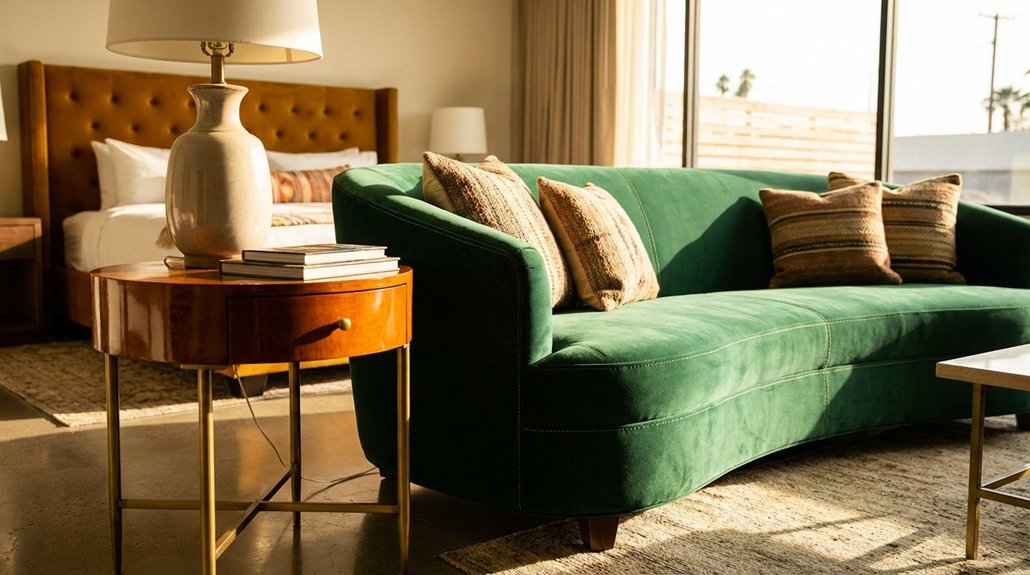
When you order contract furniture for a boutique hotel, focus on durability and compliance. Prioritize pieces that meet commercial durability standards rather than residential ones. Verify fire compliance certifications, specifically NFPA 260. Review warranty terms to ensure they align with your needs.
Factory-direct suppliers provide better customization options and consistent materials compared to off-the-shelf sources. Plan for lead times of eight to sixteen weeks for custom pieces. Coordinate logistics early to manage delivery effectively. Address supplier negotiations and staggered delivery timelines in advance to avoid delays.
Ensure you establish clear communication with suppliers throughout the process. This approach helps maintain transparency and addresses any potential issues quickly. Confirm all specifications and requirements with your manufacturer to avoid misunderstandings. By focusing on these elements, you can create a successful furniture ordering experience for your boutique hotel.
Contract vs. Residential Furniture: Why It Matters for Hotel Procurement
When you furnish a boutique hotel, you must decide between purchasing contract furniture or residential furniture. Contract furniture meets commercial durability and safety standards, while residential furniture often lacks the robustness needed for daily guest use.
This distinction is crucial because hotel guests interact with furniture far more often than individuals do at home.
To protect your investment, prioritize contract furniture with commercial certifications. These certifications ensure that the furniture meets essential fire safety and structural standards.
Prioritize contract furniture with commercial certifications to safeguard your investment and meet fire safety and structural standards.
By selecting contract furniture, you minimize replacement costs and enhance guest safety during their stay. Furthermore, opting for trade-only furniture can provide unique designs tailored to your hotel’s aesthetic, ensuring a cohesive and inviting atmosphere.
In summary, choose contract furniture for hotel procurement to ensure durability, compliance with safety regulations, and cost-effectiveness.
Avoid residential furniture to prevent potential issues with wear and safety.
The Specs That Actually Matter: Durability Ratings, Fire Standards, and Warranties
When purchasing contract furniture for a boutique hotel, focus on durability ratings, fire standards, and warranty terms.
Durability ratings indicate how well furniture withstands heavy use. The Business and Institutional Furniture Manufacturers Association (BIFMA) sets standards that simulate years of wear on chairs and tables. For example, a chair that meets the BIFMA X5.1 standard can endure over 100,000 cycles of use.
Fire resistance certifications are crucial for safety. Look for compliance with standards such as California Technical Bulletin 117-2013 or NFPA 260. These certifications ensure that upholstery materials resist ignition and reduce flame spread.
Review warranty terms carefully to understand coverage specifics. Warranties typically range from one to ten years, depending on the manufacturer. A comprehensive warranty covers defects in materials and workmanship, while limited warranties may exclude certain types of damage. Additionally, consider the benefits of wholesale purchasing to maximize your budget when outfitting your hotel.
Durability Ratings Explained
Understanding Durability Ratings
Durability ratings indicate how much wear and tear a piece of furniture can withstand before deterioration occurs. These ratings derive from standardized testing that assesses a product’s endurance under repeated use.
For instance, a chair with a rating of 250,000 double rubs signifies its suitability for high-traffic environments.
Importance of Durability Ratings
Durability ratings provide essential guidance when selecting furniture. Higher ratings suggest longer-lasting products and reduce the frequency of replacements.
Furniture designed for environments like boutique hotels must have robust durability ratings, as these pieces face daily use from guests. Investing in furniture with strong durability ratings safeguards your investment and ensures consistent performance.
Certification and Standards
Look for BIFMA-certified ratings when comparing furniture options. The Business and Institutional Furniture Manufacturers Association (BIFMA) establishes widely recognized standards for commercial furniture durability.
Products that meet BIFMA standards are more likely to endure the rigors of everyday use.
Practical Considerations
When choosing furniture, prioritize durability ratings that align with your specific needs.
For example, consider the intended usage and traffic levels in your space. Selecting furniture with appropriate durability ratings reduces the risk of premature wear and replacement costs.
Limitations of Durability Ratings
Be aware that durability ratings don’t guarantee a product’s performance in every scenario.
Factors such as material quality, environmental conditions, and maintenance practices also affect longevity. Always consider these limitations alongside the ratings to make well-informed decisions.
Fire Standards And Warranties
Durability ratings help you compare furniture options, but fire standards and warranties are critical specifications that require attention. Fire retardancy regulations differ by region. Verify that your furniture meets the codes applicable to your area.
In the United States, California’s TB 117-2013 serves as a common standard. In the United Kingdom, BS 5852 is the benchmark. Always obtain documentation that proves compliance before you finalize your order.
Warranty terms play a significant role in your decision-making process. Review what the warranty covers, the duration of the coverage, and the conditions that void the warranty.
Some manufacturers exclude commercial use, which may leave you without protection. Others provide separate warranties for frames, cushions, and fabric. Read the warranty details thoroughly, and ask suppliers for clarification before making a commitment.
Understanding both fire standards and warranties ensures you make informed choices for your furniture investments.
Why Factory-Direct Suppliers Give Hotels Custom Finishes Off-the-Shelf Sources Can’t
When you partner with a factory-direct supplier, you access unique finishing options that off-the-shelf sources can’t provide. Factory-direct suppliers allow you to choose specific wood stains, metal finishes, and upholstery treatments that match your hotel’s brand precisely because they manage the entire production process.
You gain control over material specifications, allowing you to select leathers, fabrics, or laminates that fit your property’s design and durability requirements. Unlike off-the-shelf products, which often compromise on customization, factory-direct suppliers offer tailored solutions that meet your exact needs.
For instance, if your hotel aims for a rustic aesthetic, you can specify reclaimed wood with a particular stain, ensuring that every piece aligns with your vision. This level of detail isn’t available with standard suppliers, who typically offer limited options.
Additionally, factory-direct suppliers can accommodate larger orders without sacrificing quality, making them a practical choice for hotels undergoing renovations or new builds. Furthermore, their handcrafted furniture ensures natural variations that add unique character to your space.
However, it’s essential to note that factory-direct relationships require clear communication and planning. Delays can occur if specifications aren’t communicated effectively, potentially impacting project timelines. Understanding these constraints can help you leverage the benefits of factory-direct partnerships while minimizing risks.
Proprietary Finish Capabilities
Three factors distinguish factory-direct suppliers from off-the-shelf sources: proprietary finishing processes, specialized equipment, and in-house expertise.
Factory-direct suppliers create custom color options that standard catalogs don’t offer. They mix, test, and refine colors until they precisely match your brand’s vision. Their distinct texture finishes enhance depth and character, which mass-produced furniture can’t replicate.
When you engage with factory-direct suppliers, you collaborate with skilled craftspeople who oversee every step of the finishing process. This control reduces errors and allows for quicker adjustments, ensuring consistent results across large orders.
For boutique hotels needing furniture that embodies their identity, factory-direct suppliers provide finishes that off-the-shelf sources can’t match in quality or customization.
Factory-direct suppliers focus on delivering tailored solutions to meet specific design needs. They utilize advanced equipment to achieve unique finishes that align with your project requirements.
By working directly with these suppliers, you gain access to a range of options that standard products simply can’t provide. This ensures that your furniture not only fits your aesthetic but also stands out in a competitive market.
In contrast, off-the-shelf sources offer limited color choices and generic textures. Their processes lack the flexibility and precision that factory-direct suppliers bring to the table.
This limitation can lead to mismatched brand identities and a less cohesive look in your space. For projects where every detail matters, partnering with factory-direct suppliers is essential for achieving the desired outcome.
Tailored Material Sourcing
Custom finishes require high-quality materials sourced directly from factory suppliers. These suppliers manage the entire sourcing process, allowing for consistent quality in fabrics, woods, and metals. This direct approach ensures that you can choose from custom fabric options that are not available through off-the-shelf retailers.
| Feature | Factory-Direct | Off-the-Shelf |
|---|---|---|
| Custom fabric options | Available | Limited |
| Eco-friendly materials | Sourced directly | Rarely offered |
| Material consistency | Guaranteed | Variable |
Factory-direct suppliers prioritize eco-friendly materials. This commitment helps hotels meet their sustainability goals while ensuring that the materials used for furniture are responsibly sourced. By managing sourcing in-house, factory-direct suppliers maintain predictable lead times and controlled quality. You avoid reliance on third-party vendors, which mitigates the risk of last-minute substitutions. This control over the supply chain enables the creation of truly customized, durable furniture for boutique hotels.
In this industry, sourcing high-quality materials directly from suppliers ensures that you receive consistent products tailored to your specifications. Each supplier’s ability to provide a wide range of custom fabric options directly impacts the final design and quality of the furniture. Additionally, using eco-friendly materials contributes to a hotel’s sustainability efforts, which is increasingly important in today’s market. The predictability of lead times offered by factory-direct suppliers allows for efficient project planning and execution, reducing delays and increasing overall satisfaction.
Direct Specification Control
Boutique hotels require furniture that aligns with their distinct design visions. Off-the-shelf furniture doesn’t meet these specific needs.
Working directly with a factory-direct supplier allows you to control specifications for materials, finishes, and designs. You can select specific wood finishes and fabric choices that match your hotel’s unique aesthetic.
Factory-direct suppliers implement quality assurance from the beginning of the manufacturing process. You can review material samples and approve prototypes before mass production starts. This proactive approach minimizes unexpected issues upon delivery.
Off-the-shelf retailers provide finished products with fixed specifications. These retailers don’t allow customization, limiting your options.
Partnering with a factory-direct supplier empowers you and your design team to make all critical decisions. By choosing a factory-direct supplier, you gain direct involvement in every aspect of furniture production.
This approach ensures that the final products reflect your hotel’s design vision accurately.
Volume Pricing for Hotel Contract Furniture: What Buyers Can Realistically Negotiate
When you purchase contract furniture for a boutique hotel, focus on volume pricing to maximize savings. Manufacturers offer bulk discounts when you order 10 to 20 units per item.
Consolidate orders across different room categories to increase your leverage. Combine guestroom, lobby, and dining furniture into one comprehensive purchase.
Negotiate not only the price but also freight costs, lead times, and warranty terms. Clearly communicate your budget and timeline. Suppliers appreciate committed buyers, so present detailed specifications and quantities. This preparation enhances your negotiating position. Always remember that the listed price is often negotiable.
Consolidate Orders to Strengthen Your Position
Consolidating orders helps you negotiate better discounts. Instead of ordering individual pieces, group your furniture needs.
For example, if you need 15 guestroom chairs, 10 lobby sofas, and 20 dining tables, present these as a single order. This strategy signals to manufacturers that you’re a serious buyer, which can lead to better pricing.
Negotiate Beyond Price
Freight costs and lead times are also negotiable. Discuss shipping options to reduce costs and ensure timely delivery.
For example, if a manufacturer offers free shipping on orders over a specific amount, aim to reach that threshold. Additionally, negotiate warranty terms to protect your investment. A longer warranty can save you money on repairs and replacements down the line. Remember that free delivery is available to all 50 states with some suppliers, which can significantly reduce your overall costs.
Prepare Detailed Specifications
Prepare detailed specifications before entering negotiations. Provide exact quantities and types of furniture you need.
For instance, if you require 25 queen beds with specific dimensions and finishes, clearly outline these requirements. This clarity helps suppliers understand your needs and makes them more likely to offer favorable terms.
Recognize Limitations
Understand that not all manufacturers will offer the same level of negotiation flexibility. Some may have strict pricing policies, while others may be open to discussing terms.
Research different suppliers to identify those willing to negotiate. Be prepared to walk away if a supplier can’t meet your terms.
How Long Hotel Furniture Procurement Actually Takes, Stage by Stage
Procurement timelines for hotel furniture can catch first-time buyers off guard. The process typically requires a minimum of six to nine months from start to finish, and you’ll navigate several stages that each add time to your project.
Order Processing
Order processing takes one to two weeks after you finalize specifications. During this time, you should confirm all details with your supplier to ensure accuracy in your order, as any changes can extend this timeline.
Custom Furniture Lead Times
Lead times for custom furniture pieces range from eight to sixteen weeks. The specific timeframe depends on the manufacturer and the complexity of the design. Plan ahead and clearly communicate your needs to avoid unnecessary delays.
Supplier Communication
Maintaining open lines of communication with suppliers is crucial. Regular updates ensure that everyone stays aligned on timelines and expectations. Timely responses from your team can prevent bottlenecks that lead to extended lead times.
Logistical Challenges
Logistical challenges, such as shipping and customs clearance, can add additional weeks to your timeline. Anticipate these hurdles by coordinating with freight forwarders and customs agents early in the process.
Inventory Management
Inventory management requires careful coordination of delivery schedules, especially for phased openings. Align deliveries based on room readiness to streamline installation and minimize storage issues. Additionally, consider the benefits of real-time inventory updates to enhance product management.
Quality Assurance Inspections
Quality assurance inspections occur before shipment and upon arrival at your hotel. These inspections are critical to ensure that all furniture meets your specifications and quality standards. Any discrepancies can lead to delays in installation.
Installation Phases
Installation phases can take several days to weeks, depending on the number of rooms being furnished. Work closely with your installation team to develop a detailed plan that accounts for room counts and workflow efficiency.
Why Staggered Delivery Protects Hotel Operations During a Refurb
Staggered delivery allows your hotel to operate smoothly while you refurbish. Instead of receiving all your furniture at once, you schedule deliveries in phases that align with your renovation timeline. This method supports organized logistics by matching shipments with specific room blocks or floors undergoing refurbishment.
You avoid overwhelming your staff when deliveries occur gradually. This prevents storage areas from becoming clogged and minimizes disruption for guests in unaffected sections of the hotel. Each delivery arrives precisely when your team is ready to install, which maintains project momentum. This approach enhances operational efficiency because your team manages only the inventory they need at that moment.
To coordinate staggered deliveries effectively, work closely with your supplier and contractor. Map out a detailed delivery schedule that reflects your refurbishment phases. Strong communication among all three parties—hotel staff, supplier, and contractor—ensures that staggered delivery remains an effective refurbishment strategy. Additionally, partnering with trade only furniture suppliers can provide you with premium products tailored to your specific needs.
Limitations of Staggered Delivery
Staggered delivery may not work in all situations. If your renovation timeline is tight, scheduling multiple deliveries might delay the overall project. Additionally, if your hotel has limited storage space, you may still face challenges, even with staggered deliveries.
Practical Example of Staggered Delivery
For instance, if you plan to refurbish 50 rooms over three months, schedule deliveries for furniture in weekly batches. If each batch includes 10 rooms’ worth of furniture, you ensure that your team installs items without overcrowding storage areas. This method helps maintain a steady workflow, allowing your hotel to serve guests without interruptions.