
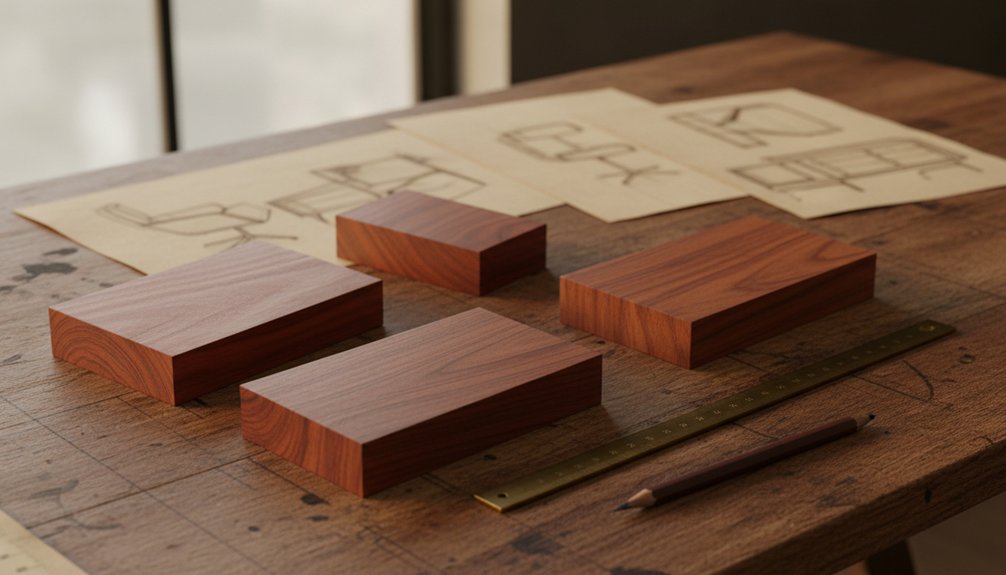
When selecting mahogany for mid-century modern design, prioritize durability, aesthetic appeal, and simplicity. Mahogany exhibits a unique reddish-brown color and a distinctive grain pattern, making it suitable for minimalist designs. The wood’s excellent workability facilitates the creation of clean lines and refined furniture styles.
While teak and walnut are also common choices in mid-century modern design, mahogany stands out due to its timeless quality and rich texture. When sourcing mahogany pieces, focus on genuine items with solid construction, as these align with mid-century design principles.
To maximize mahogany’s potential in your projects, consider incorporating it into furniture that showcases its natural beauty. For example, use mahogany for dining tables, chairs, or cabinetry that highlight its grain and color. Maintain a cohesive design by pairing mahogany with neutral tones and other natural materials. Avoid using low-quality mahogany or synthetic alternatives, as these do not offer the same durability or aesthetic value.
By focusing on these specific attributes, you can effectively integrate mahogany into your mid-century modern designs.
Understanding Mid-Century Modern Design and Wood Selection
Mid-century modern design emphasizes clean lines, functional use, and a focus on materials. When selecting wood for this aesthetic, prioritize sturdy and elegant options, such as mahogany. Mahogany offers a smooth texture and rich tones, which enhance the minimalist approach while maintaining warmth in the design.
Identify Key Design Principles
Mid-century modern design principles prioritize simplicity and functionality. Avoid excessive ornamentation in furniture. Choose pieces that serve a specific purpose and complement the overall aesthetic.
Each furniture item should contribute to a cohesive visual appeal.
Select Appropriate Wood Types
Select wood types that align with mid-century modern design‘s principles. Mahogany is a strong choice due to its durability and visual appeal. Other viable options include walnut and teak, both known for their fine grain and warmth. Ensure that the wood enhances the minimalist design while providing structural integrity.
Incorporate Functional Design
Incorporate furniture that highlights these design principles and wood characteristics. For example, a coffee table made from mahogany can serve as a functional centerpiece while showcasing the wood’s beauty. Focus on pieces that blend utility with aesthetics to achieve a harmonious look.
Avoid Common Pitfalls
Avoid using overly ornate or heavy woods that detract from the mid-century modern style. Woods with pronounced grain patterns or dark finishes can overpower simpler designs. Stick to solid woods that provide a balanced appearance without compromising the minimalist ethos.
Practical Application
When selecting wood for mid-century modern furniture, analyze how the wood supports the design. Mahogany enhances the aesthetic by providing a sleek, warm finish that complements functional forms. Each piece should clearly reflect the mid-century modern ideals of simplicity and purpose, making it an excellent choice for dropshipping in the USA and UK Mainland.
Why Designers Loved Mahogany
Designers prefer mahogany for its specific qualities that align with the principles of mid-century modern design. Mahogany features rich grain patterns that provide visual interest and warmth, surpassing what other woods can offer. Additionally, mahogany’s durability ensures that furniture made from this material lasts through years of use. The craftsmanship of mahogany pieces often reflects the same unparalleled quality seen in artisan furniture, making them highly sought after.
| Benefit | Description | Impact on Design |
|---|---|---|
| Grain Patterns | Mahogany presents unique textures | Grain enhances aesthetic appeal |
| Durability | Mahogany resists decay and wear | Durable furniture lasts longer |
| Workability | Mahogany carves and shapes easily | Facilitates intricate design details |
| Color | Mahogany’s reddish-brown hue | Adds refined visual richness |
| Versatility | Mahogany adapts to various styles | Supports diverse design concepts |
Each of these benefits contributes to mahogany’s status as a favored material in furniture design. Designers appreciate how the unique grain patterns enhance the overall aesthetic of a piece. The durability of mahogany allows for furniture that withstands use, making it a practical choice for both residential and commercial spaces. Mahogany’s workability enables craftsmen to create intricate designs, while its color adds a layer of sophistication. Finally, its versatility allows it to fit seamlessly into various design styles, from traditional to contemporary.
Mahogany vs. Other Mid-Century Woods
Mahogany excels in mid-century modern design due to its durability, making it a top choice for long-lasting furniture.
Mahogany resists warping and wear, providing structural integrity for pieces that endure everyday use. Responsible sourcing of mahogany is crucial to address sustainability concerns and minimize environmental impact. Additionally, Artisan Furniture UK specializes in exclusive trade only supply of premium mahogany pieces that enhance design aesthetics.
Comparing Mahogany to Teak and Walnut
Mahogany differs from teak and walnut in specific ways.
Teak contains natural oils that enhance its weather resistance, making teak suitable for both indoor and outdoor furniture.
Walnut offers a darker hue and intricate grain patterns, appealing to those seeking aesthetic richness. Each wood type serves different design needs and preferences.
Limitations of Mahogany
While mahogany provides significant advantages, it also has limitations.
Mahogany can be more expensive than other woods, which might restrict budget options for some consumers.
Additionally, mahogany may not perform as well in extreme humidity, unlike teak, which maintains its integrity in various conditions.
Practical Applications of Wood Choices
When selecting wood for furniture, consider the specific requirements of the project.
Use mahogany for pieces that need durability and elegance.
Choose teak for outdoor settings where weather resistance is critical.
Opt for walnut when aesthetic appeal is the priority. Each wood type serves distinct functions, so align your choice with your design goals.
Using Mahogany for a Modern Mid-Century Look
Using mahogany to create a modern mid-century look means focusing on furniture that showcases its elegance. Select mahogany pieces with clean lines and minimal ornamentation to achieve a sleek aesthetic.
Pair mahogany with earth tones or muted colors like olive green and dusty blue. These color choices enhance mahogany’s warm tones without overwhelming them.
Enhance mahogany’s warmth by pairing it with earthy tones like olive green and dusty blue.
Tips for Effective Design
- Combine Mahogany with Neutral Upholstery: Use plush, neutral fabrics for sofas and chairs to balance the richness of mahogany. This combination creates a warm, inviting atmosphere.
- Incorporate Brass or Gold Accents: Choose furniture or decor with brass or gold hardware. These accents add a touch of luxury and complement the mahogany’s natural beauty.
- Use Subtle Area Rugs: Select area rugs with understated patterns. These rugs provide contrast and visual interest without distracting from the mahogany furniture.
- Add Small Decorative Items: Include vases or lamps that align with your color palette. These accessories enhance the overall styling and draw attention to the mahogany pieces.
Limitations and Considerations
Avoid overly ornate furniture styles that clash with the mid-century aesthetic.
Stick to designs that emphasize simplicity and functionality.
Keep color pairings consistent to maintain a cohesive look throughout the space.
Additionally, ensure to conduct a patch test when using cleaning products on mahogany to prevent damage to its finish.
Spotting Genuine Mid-Century Mahogany Pieces
Identifying Genuine Mid-Century Mahogany Pieces
To determine if a piece is a genuine mid-century mahogany item, start by examining authenticity markers. Look for labels or stamps from reputable mid-century manufacturers like Knoll or Herman Miller. These markings indicate the piece’s origin and authenticity.
Next, inspect the wood grain characteristics. Genuine mahogany displays a distinct, even grain with a rich, deep reddish-brown hue. This grain pattern helps differentiate it from other woods.
Feel the surface texture of the piece. Mahogany typically has a smooth finish, lacking the coarse texture found in woods like oak or pine. This smoothness is a sign of quality craftsmanship.
Weigh the piece to assess its density. Genuine mahogany is dense, so authentic pieces should feel noticeably heavier than alternatives made from lighter woods.
Examine the craftsmanship closely. Mid-century design emphasizes clean lines and minimal ornamentation. Look for these features to confirm the style aligns with authentic mid-century aesthetics.
Be cautious of veneers. Many furniture items feature mahogany veneers over less expensive wood bases. Check for solid mahogany construction, as this contributes to both authenticity and durability.