
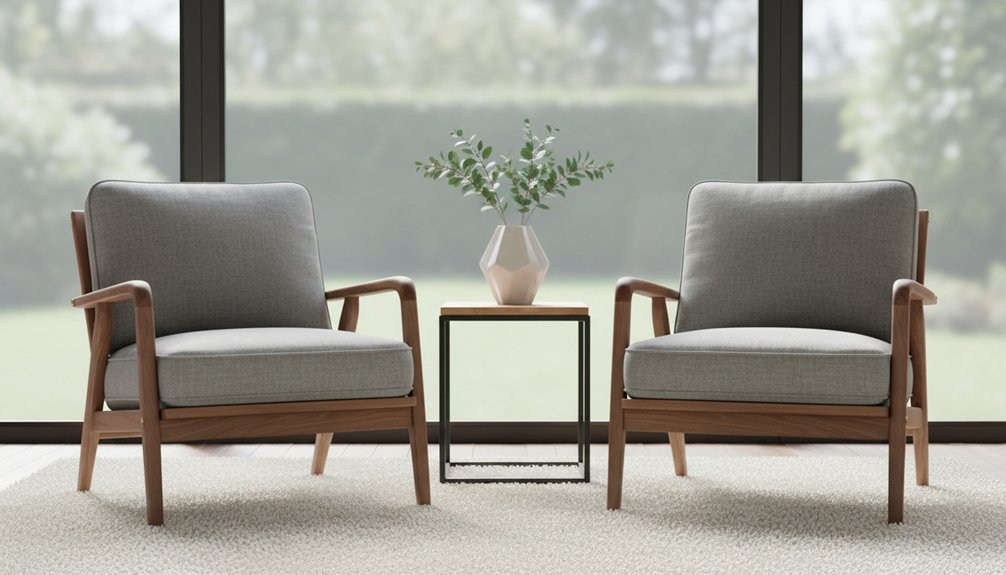
Mid-century modern armchairs combine functionality and aesthetic appeal, reflecting design principles from the 1940s to 1960s. These armchairs feature minimalist forms, ergonomic support, and robust materials like molded plywood and leather. These characteristics make mid-century modern armchairs ideal for small spaces. Their flexible design allows them to fit seamlessly into various interiors while maintaining a timeless aesthetic.
Selecting the appropriate size and materials for mid-century modern armchairs ensures they integrate well with your existing decor. For example, choosing a leather finish can add sophistication, while a molded plywood frame can enhance a minimalist look. Regular maintenance, such as cleaning leather surfaces and checking for wear on wooden components, preserves their appearance and functionality over time.
Understanding the specific design elements of mid-century modern armchairs can help you appreciate their value in modern interiors. The combination of clean lines and ergonomic support makes these chairs not only visually appealing but also practical for everyday use. By investing in mid-century modern armchairs, you enhance your living space while enjoying the benefits of quality craftsmanship.
Why Mid-Century Armchairs Are More Than Just Furniture
Mid-century modern armchairs serve as essential pieces in interior design. These armchairs combine comfort with aesthetic appeal, making them versatile for various living spaces. Their clean lines and organic shapes complement both contemporary and traditional interiors.
Essential in interior design, mid-century modern armchairs blend comfort and aesthetic, enhancing versatility in living spaces.
When you incorporate a mid-century armchair into your home, you enhance the room’s visual interest while providing a functional seating option. Additionally, many retailers offer wholesale furniture options that allow you to source high-quality pieces without the need for inventory.
Design Features of Mid-Century Armchairs
Mid-century armchairs feature specific design elements that contribute to their appeal. The focus on minimalist forms creates a timeless look.
The use of materials like molded plywood and leather adds durability and style. Each armchair often reflects a careful balance of form and function, making them suitable for everyday use.
Practical Benefits of Mid-Century Armchairs
Mid-century armchairs offer practical benefits beyond aesthetics. These armchairs provide ergonomic support, enhancing comfort during extended use.
Their compact size makes them ideal for smaller living spaces without sacrificing style. Additionally, the variety of colors and finishes allows for customization to match specific interior themes.
Historical Significance of Mid-Century Design
Mid-century armchairs represent a significant period in design history. Originating in the 1940s to 1960s, this style emphasizes simplicity and functionality.
Each armchair embodies the design philosophies of renowned designers like Charles and Ray Eames. By choosing a mid-century armchair, you connect with a legacy of innovation that continues to influence modern design.
Limitations and Considerations
Despite their appeal, mid-century armchairs do have limitations. Some models may lack adequate padding for those seeking maximum comfort.
Additionally, certain designs may not suit every interior style, particularly more ornate or eclectic spaces. Consider the specific needs of your living area before selecting a mid-century armchair.
Conclusion
Mid-century modern armchairs are more than mere furniture; they’re functional art pieces that enhance living spaces.
What’s Behind Mid-Century Modern Design?
Mid-century modern design emerged from specific historical movements like the Bauhaus and Scandinavian minimalism. This style features clean lines, functional forms, and a combination of traditional and non-traditional materials. Designers prioritize practicality and aesthetics, resulting in furniture that’s both usable and visually appealing.
Iconic designers such as Charles and Ray Eames significantly shaped mid-century modern design through their innovative pieces. Their work exemplifies the balance between form and function, demonstrating how thoughtful design can enhance everyday living. For example, the Eames Lounge Chair combines comfort with a sleek silhouette, making it a staple in mid-century modern homes.
This design era has lasting influence due to its focus on simplicity and efficiency. Mid-century modern furniture often uses materials like molded plywood, fiberglass, and metals, which contribute to its unique look. The integration of these materials allows for both durability and style, catering to a range of tastes. Additionally, Artisan Furniture emphasizes quality and attention to detail, showcasing how handcrafted pieces can embody mid-century modern principles.
While mid-century modern design has widespread appeal, it does have limitations. Not all spaces can accommodate the clean lines and minimalism that characterize this style. Additionally, finding authentic mid-century pieces can be challenging and often comes with a higher price tag.
Historical Influences and Origins
Mid-century modern design originated in the mid-20th century. This design style draws from key historical influences that transformed furniture and architecture. Designers responded to post-war optimism and advancements in technology by creating clean lines and simple forms.
International travel connected designers with diverse global aesthetics, enabling them to blend various elements into a cohesive style. This integration of functionality and beauty resulted in iconic pieces that remain relevant today.
The following historical influences shaped mid-century modern design:
- Industrial Revolution: The Industrial Revolution introduced mass production techniques, allowing for the efficient manufacturing of furniture. This shift emphasized functionality and accessibility in design.
- Scandinavian Minimalism: Scandinavian minimalism focused on simplicity, practicality, and natural materials. Designers adopted these principles to create streamlined, user-friendly pieces that emphasized comfort.
- Bauhaus Movement: The Bauhaus movement combined art and craft, promoting the idea that good design should serve a purpose. Mid-century designers embraced this philosophy, emphasizing form following function.
- Organic Architecture: Organic architecture advocated for harmony between buildings and their environments. Mid-century designers incorporated natural elements and shapes, creating spaces that felt integrated with nature.
- Post-war Innovation: Post-war innovation fueled a desire for new, modern living spaces. Designers utilized new materials and construction methods to create innovative furniture and architecture that reflected contemporary lifestyles.
These influences collectively shaped mid-century modern design, making it a defining style of the 20th century. Each influence contributed specific characteristics, leading to the creation of functional and aesthetically pleasing designs that continue to inspire today.
Key Design Characteristics
Key Design Characteristics of Mid-Century Modern Armchairs
Mid-century modern design emphasizes key characteristics rooted in historical influences. The primary principle is “form follows function.” This principle dictates that the design of an armchair must prioritize its intended use. Designers focus on clean lines, simple shapes, and minimal decoration. These elements create a visually appealing aesthetic while ensuring practical usability.
Ergonomic design is a crucial feature of mid-century modern armchairs. Manufacturers craft chairs to enhance comfort and support for users. Curved armrests fit the natural shape of the arm, and supportive backrests promote healthy posture. This focus on ergonomic design improves the overall user experience, aligning with the philosophy of functional comfort.
Iconic Designers and Pieces
When analyzing mid-century modern design, several designers and their pieces significantly shaped the field through innovation. These designers produced functional and aesthetically pleasing furniture that continues to influence modern design. Key figures include:
- Charles and Ray Eames designed the Eames Lounge Chair, which combines ergonomic comfort with stylish aesthetics. Their work revolutionized how furniture could serve both function and form.
- Arne Jacobsen created the Egg Chair, a piece that exemplifies the sleek, organic shapes characteristic of the era. Jacobsen’s designs remain relevant due to their timeless appeal.
- Eero Saarinen introduced the Tulip Chair, a departure from traditional furniture design. This piece emphasizes simplicity and fluidity, redefining the visual landscape of dining and office spaces.
- George Nelson produced the Nelson Marshmallow Sofa, which challenged conventional design norms with its playful, modular structure. Nelson’s work opened new avenues for creative expression in furniture design.
- Florence Knoll transformed office furniture by integrating modernist principles. She focused on functionality while enhancing the design, making her pieces essential for contemporary work environments.
These designers collectively established the principles of mid-century modern design, leaving a lasting impact on furniture that we continue to appreciate today.
Iconic Armchair Designs and Their Creators
Mid-century modern armchairs feature sleek lines and innovative designs that highlight the work of influential designers. These iconic armchairs focus on functionality and simplicity, impacting how we understand furniture today.
Charles and Ray Eames designed the Eames Lounge Chair, which redefined comfort and aesthetics in residential spaces. This chair combines ergonomic support with a visually striking form, making it a staple in modern homes.
Arne Jacobsen created the Egg Chair, which stands out due to its distinctive shape and use of innovative materials. The Egg Chair’s design not only serves a functional purpose but also enhances the aesthetic appeal of interiors.
Each of these armchairs represents a shift in design philosophy, emphasizing a harmonious balance between form and function.
These designs reflect a broader cultural movement toward minimalism and practicality in furniture. They influence current trends by demonstrating how thoughtful design can enhance everyday living.
Understanding the context and craftsmanship behind these pieces allows for a deeper appreciation of their impact on contemporary design.
How Mid-Century Armchairs Fit Into Modern Design Spaces
Incorporating mid-century armchairs into modern design spaces effectively merges timeless elegance with contemporary style. Mid-century armchairs often use responsibly sourced materials, aligning with sustainability trends.
These chairs optimize space, fitting well in both large and small areas. Their variety of materials, such as sleek leathers and soft fabrics, creates textural contrast that enhances visual appeal. The versatile placement of mid-century armchairs allows them to function in various settings, whether as a focal point in a reading corner or as part of an open-plan living room.
- Compact designs maximize small spaces, allowing comfortable seating without overcrowding.
- Mixing different textures enhances visual interest and depth, making the space feel more dynamic.
- Eco-friendly options from sustainable materials support modern sustainability goals and appeal to environmentally conscious consumers.
- Flexible positioning adapts to changing needs, enabling easy rearrangement based on usage or seasonal changes.
- Bridging old and new styles enhances existing décor, creating a cohesive look that respects both mid-century and modern aesthetics.
Mid-century armchairs stand out for their ability to blend functionality with style, making them a practical choice for any home setting. Additionally, the craftsmanship involved in creating handcrafted furniture ensures each piece is unique, adding a personal touch to any space.
Choosing the Right Armchair to Express Your Style
Choosing the right armchair involves balancing comfort and style. You need a chair that provides support while enhancing the aesthetic of your room. Prioritize ergonomic design to ensure that the armchair feels good for long periods of use.
Next, select colors and materials that match your existing decor. For example, if your room features neutral tones, consider an armchair with a bold color or interesting texture to create a focal point. If your decor leans toward modern minimalism, opt for sleek lines and solid colors.
Measure the space where you plan to place the armchair. Use a tape measure to confirm that the chair fits well without overcrowding the room. A good rule of thumb is to leave at least 18 inches of walkway space around the armchair for easy movement.
Consider the limitations of your space. For smaller rooms, choose compact designs that don’t sacrifice comfort. If you have pets or children, look for durable fabrics that resist stains and wear.
Assess your budget before making a decision. Determine how much you’re willing to invest in an armchair that meets your criteria. Quality armchairs often range from $300 to $1,500, depending on materials and craftsmanship. Additionally, explore dropship solid wood furniture options for durability and style that can enhance your armchair selection.
In summary, focus on comfort, style, color, and size when choosing an armchair. Make sure the armchair complements your space and fits within your budget.
This approach guarantees that your final selection enhances both your decor and your everyday comfort.
Balance Comfort and Style
Selecting an Armchair That Balances Comfort and Style
To select an armchair that balances comfort and style, prioritize specific factors. First, choose durable materials that provide the comfort you need. Focus on memory foam or feather cushions to enhance relaxation.
Next, ensure the armchair has an ergonomic design that supports proper posture, allowing for extended use without discomfort.
Consider the armchair’s scale in relation to your space. A chair that’s too large will dominate the room, while one that’s too small won’t contribute effectively to your design. Aim for a size that complements your other furniture.
Select a timeless style that aligns with mid-century modern aesthetics. These designs feature clean lines and simplicity, making them versatile for various decor styles. Confirm that the armchair complements your existing décor, enhancing the overall look of your space.
Checklist for Selection:
- Choose Durable Materials: Opt for memory foam or feather cushions for comfort.
- Prioritize Ergonomic Design: Ensure the chair supports good posture.
- Consider Scale: Match the chair’s size to your room’s dimensions.
- Select Timeless Styles: Focus on mid-century modern designs.
- Confirm Décor Compatibility: Ensure the chair fits with your current interior design.
Limitations
Avoid overly trendy styles that may quickly go out of fashion. Steer clear of materials that wear out quickly, such as low-quality fabrics that don’t withstand daily use.
Conclusion
Color and Material Choices
Select an Armchair: Focus on Color and Material Choices
When you select an armchair, prioritize color and material choices that match your style. Choose color palettes that either complement or contrast with your existing décor. Mid-century modern furniture often features bold colors paired with neutral tones, offering design flexibility. Material textures also impact your style. Leather provides sophistication, while fabric adds warmth and comfort. Wood brings a timeless element.
Understand Color Palettes and Material Textures
Identify the color palettes that resonate with your aesthetic. Bold colors energize a space, while neutral tones create a calming effect. Match these choices with appropriate materials. For example, smooth leather enhances sophistication, while cozy fabric cultivates warmth. Natural wood offers a classic touch that can fit various styles.
Quick Guide to Armchair Selection
| Color Palette | Material Texture | Style Expression |
|---|---|---|
| Bold & Vibrant | Smooth Leather | Sophisticated Elegance |
| Neutral & Earthy | Cozy Fabric | Warm & Inviting |
| Monochromatic & Sleek | Natural Wood | Timeless & Classic |
Choose Combinations That Reflect Your Taste
Select combinations of color and material that showcase your unique taste. For example, a bold red leather armchair can serve as a statement piece in a neutral room. Conversely, a soft beige fabric chair can create a cozy reading nook. Ensure that your choices align with the overall atmosphere you want to create.
Consider Limitations and Edge Cases
Be aware of limitations when selecting colors and materials. For instance, bold colors may overpower smaller spaces, while dark materials can make a room feel cramped. Assess your room dimensions and lighting to ensure your choices enhance rather than detract from your design.
Apply Your Knowledge in Real Spaces
When you choose an armchair, focus on how specific color and material combinations will impact your space. Analyze how a smooth leather chair can elevate the sophistication of a modern living room. Similarly, a cozy fabric armchair may be ideal for a family room, promoting comfort and relaxation.
Size and Proportion Guide
Finding the Right Armchair for Your Space
Choosing the right armchair requires understanding size and proportion to ensure a functional and visually appealing setup. Measure your room dimensions and the armchair’s dimensions to confirm a proper fit.
Assess the surrounding furniture, focusing on their heights and widths. Ensure the armchair’s height aligns with nearby tables or sofas to promote a cohesive design. Armrests should provide comfort without dominating the space.
Pay attention to the chair’s depth, especially in smaller areas, to avoid feeling cramped. Remember these key points:
- Measure your space and the armchair accurately to ensure appropriate scaling.
- Align the armchair’s height with adjacent furniture for balance.
- Select armrests based on your needs to enhance functionality and style.
- Consider the chair’s depth, particularly in compact rooms.
- Preserve visual harmony by maintaining proportionality among all furniture.
Keeping Your Armchair Looking Timeless
To keep your mid-century modern armchair looking timeless, focus on regular maintenance and care.
Regularly dust and vacuum your armchair to prevent dirt buildup. Use a soft cloth and mild wood cleaner on wooden parts to preserve their natural finish. Treat fabrics with appropriate cleaners, avoiding harsh chemicals that could damage the material.
Additionally, consider regular polishing to enhance the shine and longevity of the wooden components.
Protecting from Sunlight
Position your armchair away from direct sunlight to prevent fabric and color fading.
If possible, rotate cushions every few months to ensure even wear and maintain comfort.
Ensuring Stability
Inspect and tighten screws and joints every six months to maintain the armchair’s stability.
This proactive approach prevents wobbling and prolongs the armchair’s lifespan.