
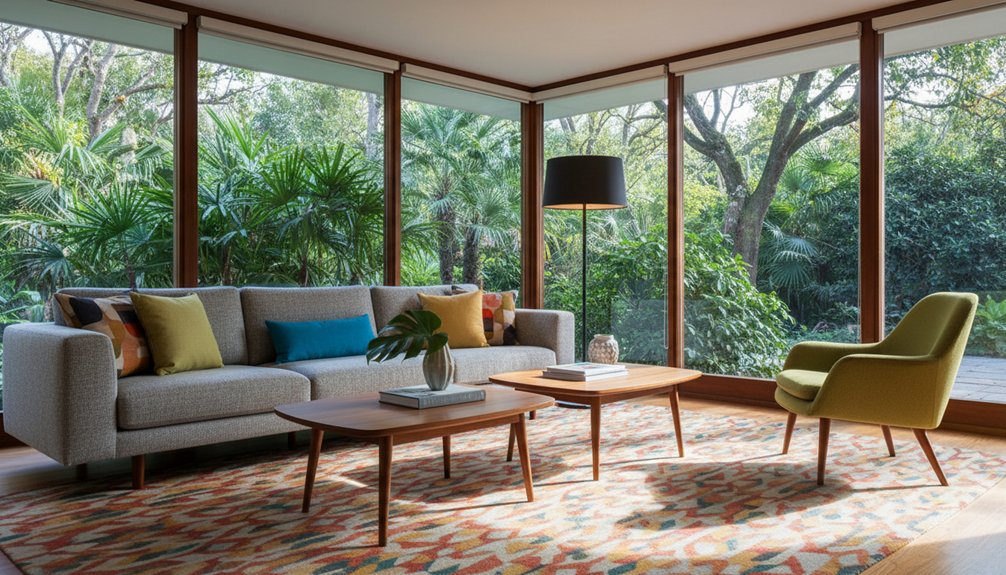
Create a Mid-Century Modern Living Room with Walnut Coffee Tables
To design a mid-century modern living room, integrate walnut coffee tables effectively. Measure your space first to ensure the table fits comfortably without overcrowding. Choose a walnut coffee table that showcases its unique grain and rich tones, adding visual interest and warmth.
Pair the walnut table with sleek metal accents, such as steel legs or brass hardware, to enhance the modern aesthetic. Use soft fabrics in neutral colors for upholstery to create a balanced look. Select coffee tables with functional features, like built-in storage, to maintain organization without sacrificing style.
Maintain the walnut table by cleaning it regularly with a soft cloth and using specific wood cleaners to preserve its finish. Avoid exposing the table to direct sunlight or humidity, as these factors can damage the wood over time. By following these practices, you will ensure the longevity and beauty of your walnut coffee table, contributing to an inviting mid-century modern living room for years to come.
Choosing the Perfect Walnut Table for Mid-Century Modern Living Rooms
When you choose a walnut table for your mid-century modern living room, prioritize size, design, and function. Start by measuring your living room space and existing furniture. Ensure the walnut table fits comfortably without crowding the area, allowing for smooth movement. Aim for a table that complements your layout while maintaining an open feel.
Next, focus on design features that reflect mid-century modern aesthetics. Select a walnut table with tapered legs, a minimalist profile, or smooth surfaces. These design choices not only enhance visual appeal but also support functionality by integrating seamlessly with other furniture.
Opt for walnut tables with tapered legs and minimalist profiles to seamlessly blend aesthetics with function.
Consider the finish of the walnut table. A natural, matte finish often works best, highlighting the wood’s grain while maintaining the clean lines typical of mid-century design. Avoid overly glossy surfaces, as they can clash with the aesthetic.
Finally, think about how the walnut table will serve your needs. Whether you need it for dining, working, or displaying decor, ensure its size and shape align with your intended use. Avoid overly large or bulky tables that might hinder movement. Additionally, opting for dropship solid wood furniture can provide both durability and style to enhance your living space.
Highlighting Walnut’s Beauty in Mid-Century Design
Walnut tables serve as essential components in mid-century modern living rooms. These tables showcase the unique beauty of walnut wood, a core element of this design style. Mid-century design values walnut finishes for their distinct grain patterns and rich, warm tones. These features add elegance to any space.
When you place walnut tables in your living room, you emphasize the timeless appeal of natural materials. The smooth surface of walnut contributes sophistication, enhancing the room’s overall aesthetic.
Understanding mid-century modern design involves recognizing how walnut wood supports the room’s style through its durability and visual appeal. By choosing walnut tables, you can take advantage of the benefits of wholesale purchasing, ensuring you acquire high-quality items at competitive prices.
Choosing walnut tables means you highlight a classic design element. Walnut’s enduring qualities ensure that these tables remain both functional and stylish.
Mixing Walnut With Other Furniture Styles
Incorporating walnut furniture enhances a room’s aesthetic by mixing it with various styles. Pair walnut pieces with contemporary, industrial, or bohemian elements to achieve striking contrasts.
For instance, a walnut coffee table works well with sleek metal accents, creating a modern look while highlighting the wood’s rich texture.
To balance walnut furniture, introduce soft fabrics like velvet sofas or plush chairs. These materials add warmth and variety, complementing the walnut’s natural beauty. Choosing colors such as deep blues or vibrant greens can enhance walnut’s tone and unify the space.
Soft fabrics like velvet sofas add warmth, enhancing walnut furniture’s natural beauty with deep blues or vibrant greens.
When mixing styles, maintain proportion to prevent any single element from dominating the room. This approach ensures a cohesive living area where each piece complements the walnut furniture effectively.
Avoid overly ornate styles that clash with walnut’s clean lines and natural appeal. Focus on simple, functional designs to maintain harmony. Additionally, consider sourcing walnut pieces through dropshipping services to streamline your procurement process.
Balancing Function and Style in Your Living Room
Creating a balanced living room requires aligning functionality with style to develop a welcoming and practical environment. Start by assessing each furniture piece’s functional features. For example, select a walnut coffee table that provides both storage and a sturdy surface for daily essentials.
Choose seating that prioritizes comfort while enhancing visual appeal.
Next, balance textures and colors to ensure the space feels cohesive. For instance, pair a soft fabric sofa with a sleek leather chair for contrast. Use area rugs to define spaces and strategically placed lighting to highlight focal points, enhancing the room’s charm.
Effective organization is crucial for maintaining an uncluttered appearance and optimizing space. Incorporate multi-purpose items, such as ottomans with hidden storage, to elevate functionality without compromising style.
Additionally, regular dusting techniques can help maintain the beauty of your walnut furniture and prevent scratches over time.
Ultimately, focus on crafting a living room that successfully merges practical elements with attractive design. This approach not only improves usability but also creates a space where you enjoy spending time.
How to Keep Your Walnut Table Looking New?
To keep your walnut table looking new, dust it regularly. Use a soft, damp cloth to remove dirt and follow with a dry cloth to prevent moisture damage.
Quickly wipe up spills to prevent stains from setting into the wood.
Apply furniture wax as a protective finish. This wax enhances the wood’s natural beauty and creates a barrier against scratches and water damage.
Avoid placing hot or wet items directly on your walnut table. Instead, use coasters and placemats to protect the surface.
Occasionally rearrange items on the table. This practice prevents uneven fading caused by light exposure. Additionally, consider the handcrafted process of the table, as it contributes to its unique character and may require more attentive care.