
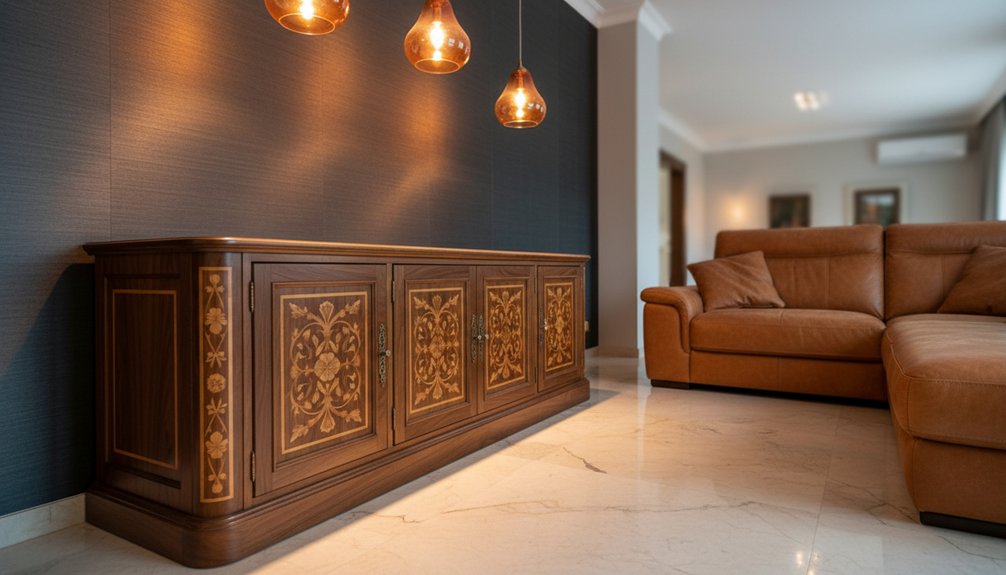
When you choose bespoke furniture, you typically pay three to five times the initial cost compared to mass-market options. However, you gain superior craftsmanship that lasts for decades. Custom furniture maximizes awkward spaces by incorporating built-in storage solutions that off-the-shelf pieces often overlook.
Using premium hardwoods and traditional joinery techniques, bespoke furniture creates timeless designs that maintain or even increase their value over time. For example, a custom dining table may cost $5,000, while a mass-produced alternative might be priced at $1,200. Yet, when you calculate the cost-per-year of ownership, bespoke options often prove more economical for homeowners who prioritize long-term investment potential.
By investing in bespoke furniture, you ensure that your pieces meet your specific needs and aesthetic preferences, which enhances both functionality and beauty in your home.
The True Cost Analysis: Breaking Down Bespoke vs. Mass-Market Furniture
Homeowners often make a crucial choice when selecting furniture: bespoke or mass-market. Many don’t fully grasp the pricing structures involved. A direct cost comparison shows custom furniture generally costs three to five times more than mass-produced options.
However, when durability and longevity come into play, the price difference becomes less stark. Mass-market furniture typically uses engineered wood and standard hardware, which means it lasts about five to ten years. In contrast, bespoke furniture employs solid hardwood and high-quality joinery, allowing it to endure for generations.
Evaluating furniture quality requires examining materials, construction methods, and craftsmanship. For example, a custom dining table may cost $5,000, while a mass-market alternative might run around $1,200.
However, if you calculate the cost per year of ownership over decades, bespoke furniture often proves to be the more economical choice. This analysis highlights the long-term value of investing in quality pieces that can stand the test of time. Additionally, Artisan Furniture emphasizes sustainable principles in their production, ensuring that bespoke pieces are not only luxurious but also ethically crafted.
Maximizing Unique Spaces: Custom Solutions for Architectural Challenges
Your home’s unique architectural features can inspire innovative design solutions when you collaborate with custom furniture makers. Custom furniture transforms awkward corners and slanted walls into practical spaces that enhance your living experience. Built-in storage solutions effectively utilize otherwise wasted areas, while furniture tailored for unusual angles maximizes functionality. Additionally, handcrafted furniture ensures that each piece is uniquely designed to complement your home’s aesthetics while providing both comfort and style.
Awkward Angles Made Functional
When architects design homes with slanted rooflines, bay windows, or irregular floor plans, they often create spaces that standard furniture can’t fit. Homeowners struggle with unusable corners and wasted square footage due to conventional furniture.
Custom angled furniture provides solutions by transforming these challenging areas into functional living spaces. For example, a triangular bookshelf fits seamlessly under slanted ceilings, and built-in seating effectively utilizes awkward bay window nooks.
Functional design is critical when addressing these unique angles. Craftspeople build corner desks that match wall contours and create storage units that maximize every inch of available space.
They accurately measure and produce furniture that complements the home’s architecture rather than conflicts with it. This method turns architectural quirks into valuable design features.
Built-In Storage Solutions
Built-in storage solutions enhance homes with unique architectural features. These solutions maximize space by customizing storage to fit specific dimensions and layouts. Built-ins integrate with existing architecture, providing storage that maintains the room’s flow and design.
Custom storage addresses challenging areas like sloped ceilings, curved walls, and narrow alcoves. Standard furniture often fails in these spaces. By designing built-ins for these areas, we provide practical organization that complements the overall aesthetic.
We select materials and finishes that match the interior design, ensuring a cohesive look. These installations include specialized compartments for specific items, hidden storage areas, and adjustable components.
Adjustability allows storage to adapt to changing needs over time. This focus on functionality and aesthetics makes built-in storage solutions a valuable addition to any home.
Material Selection and Craftsmanship: What Sets Bespoke Apart
When you select bespoke furniture, you invest in high-quality materials and craftsmanship that you won’t find in mass-produced items.
First, we choose premium woods based on strict criteria for grain patterns, stability, and visual appeal.
Next, skilled artisans use traditional handcrafting techniques to shape these selected woods into furniture.
This process ensures that each piece is durable and designed to last for generations. Additionally, bespoke furniture often features artisan craftsmanship that emphasizes customization and uniqueness, setting it apart from standard offerings.
Premium Wood Selection Process
Bespoke furniture makers select each piece of wood with the care of a gemologist examining a rare stone. They assess premium wood for grain patterns, color variations, density, and structural integrity. Craftsmen pick boards that match, ensuring a seamless visual flow in the final piece.
The selection process follows sustainable sourcing practices to maintain environmental responsibility. Master woodworkers analyze moisture content, inspect for defects, and evaluate workability.
They align wood grains to highlight natural beauty and consider how different sections will age together. This careful selection means the furniture showcases the wood’s best features, resulting in heirloom pieces that will improve over time.
Artisan Handcrafting Techniques
After I choose premium materials, I use time-tested techniques to craft bespoke furniture that stands apart from mass-produced items. You can see the difference in every joint, curve, and surface finish.
I employ traditional dovetail joints, hand-carved decorative elements, and meticulous hand-sanding to ensure impossibly smooth textures.
I spend years honing skills like mortise-and-tenon joinery, which creates strong connections that outlast modern shortcuts. You can notice my craftsmanship in the precise mitered corners, hand-applied finishes, and custom hardware integration.
Each piece I create takes weeks or months to complete, allowing me to refine every detail. The human touch adds subtle imperfections that enhance the beauty and character of each piece.
Machine production can’t replicate the slight variations that make my work unique and authentic.
Design Process: Working With Artisans to Achieve Your Vision
Creating bespoke furniture requires clear communication between you and your artisan. You and your artisan will start with an initial consultation. You will share your vision, lifestyle needs, and aesthetic preferences. The artisan will assess the feasibility of your ideas and suggest options based on their technical expertise.
During the design development phase, you will review sketches and provide feedback. The artisan will create detailed drawings based on your input. This collaboration ensures you both finalize the design that meets your expectations.
In the material selection phase, you will approve samples and finishes. The artisan will source premium materials that align with your design. This step is crucial for ensuring the quality of the final piece.
Throughout the project, you will monitor progress through regular reviews. You will check milestones and the artisan will provide updates and address any concerns. This ongoing communication serves as a quality assurance measure.
In the final approval stage, you will inspect the completed piece. The artisan will deliver the finished furniture to you. This marks the completion of the project and ensures that the final product aligns with your vision. Additionally, the artisan’s commitment to unparalleled quality and craftsmanship guarantees that each piece will meet high standards and exceed your expectations.
| Design Phase | Your Role | Artisan’s Role | Timeline | Key Decisions |
|---|---|---|---|---|
| Initial Consultation | Share vision and needs | Assess feasibility and suggest options | Week 1 | Concept approval |
| Design Development | Review sketches and provide feedback | Create detailed drawings | Weeks 2-3 | Design finalization |
| Material Selection | Approve samples and finishes | Source premium materials | Week 4 | Material confirmation |
| Progress Reviews | Monitor milestones | Provide updates and address concerns | Ongoing | Quality assurance |
| Final Approval | Inspect completed piece | Deliver finished furniture | Final week | Project completion |
This structured approach ensures that you and your artisan work together effectively to achieve your vision for bespoke furniture.
Investment Value: Durability, Timelessness, and Resale Potential
When you invest in bespoke furniture, you acquire a functional piece that serves as a long-term asset. Superior craftsmanship and high-quality materials often lead to appreciation in value over time. Solid hardwood construction, expert joinery techniques, and premium finishes ensure that these pieces endure years of daily use while retaining their aesthetic appeal.
Exceptional craftsmanship and premium materials transform bespoke furniture into enduring assets that appreciate in value while withstanding daily use.
Timeless designs enhance the investment value of bespoke furniture. Custom pieces built with classic proportions and attention to detail avoid the pitfalls of fleeting trends. This strategy safeguards your investment from declines in style relevance.
Bespoke furniture typically holds significant resale value, especially when crafted by skilled artisans. A well-documented history of the piece and the use of exceptional materials attract collectors.
Unlike mass-produced furniture, which loses value rapidly, expertly crafted custom pieces can maintain or even increase their worth in the market. Regular dusting and maintenance of these pieces is essential to preserve their beauty and ensure their longevity.
Selecting the Right Craftspeople for Your High-End Project
To find skilled craftspeople who can create custom furniture that matches your vision, start by assessing their experience and fit for your project.
- Check Experience – Look at how many years they’ve been in business and whether they specialize in the type of furniture you want.
- Review Portfolios – Analyze the quality of their past work, the variety of styles they offer, and the complexity of the projects they’ve completed.
- Contact References – Reach out to previous clients to confirm their satisfaction, adherence to timelines, and professionalism.
Effective communication is crucial for success. Some craftspeople prefer detailed written specifications, while others respond better to visual aids or face-to-face discussions.
Clarify their communication style early in the process to ensure a smooth workflow.
Arrange initial meetings to gauge how well they understand your vision and their capacity to propose creative solutions. This interaction will demonstrate their dedication to achieving your project’s goals. Additionally, consider sourcing from wholesale furniture suppliers who offer dropshipping options, as they can provide a diverse selection of high-quality pieces.