
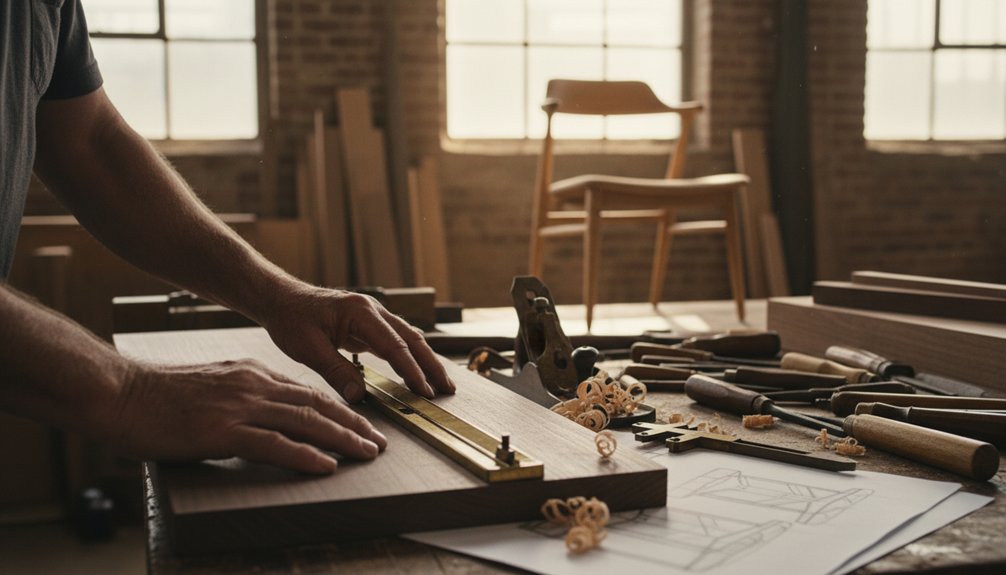
You can now order custom furniture pieces one at a time without worrying about minimum order quantities. CAD technology and CNC machines streamline the manufacturing process by removing expensive setup costs. Digital blueprints link directly to automated cutting equipment, which enables craftsmen to switch between different projects quickly. This efficiency reduces production time significantly.
Direct-to-consumer business models eliminate middlemen, which lowers prices by 30-50% compared to traditional retail. Online platforms connect you with skilled artisans who accept individual orders, making it easier to find the right craftsman for your needs. Understanding this process helps you make informed choices about your investment in custom furniture.
The Technology Revolution: How CAD and Digital Manufacturing Eliminated Batch Requirements
Before computer-aided design (CAD) became standard in the furniture industry, manufacturers faced high setup costs that required large production runs.
Traditional workshops needed expensive templates, jigs, and tooling for each unique piece. As a result, manufacturers imposed minimum order quantities of 50 or 100 units to make production financially viable.
CAD technology changed this landscape. Designers now create digital blueprints that feed directly into computerized cutting machines.
CAD technology eliminated physical templates by enabling designers to create digital blueprints that connect directly to automated cutting equipment.
CNC routers and laser cutters read these design files and execute precise cuts without the need for physical templates.
This advancement allows manufacturers to switch between different projects in minutes. Instead of spending hours on setup, they can quickly adapt to new designs.
Consequently, customers can order a single custom piece without facing the premium prices that used to accompany small-batch production. This flexibility is further enhanced by the dropshipping process, which facilitates streamlined operations and eliminates inventory risks for businesses.
Direct-to-Consumer Models: Cutting Out Middlemen and Minimum Order Policies
Traditional furniture retailers acted as intermediaries between manufacturers and consumers. The rise of the internet has changed that dynamic. Now, bespoke furniture makers connect directly with consumers through online platforms. This direct approach eliminates the need for wholesale distributors and costly showrooms. As a result, manufacturers can offer their products without the bulk-order requirements that retailers used to impose.
In this model, consumers provide their specifications directly to craftsmen. Craftsmen then create custom furniture pieces based on those specifications. Consumers receive real-time updates during the manufacturing process. This method allows consumers to pay only for the specific piece they want, without any extra costs associated with middlemen.
Manufacturers no longer need to justify small production runs to retail buyers. This change streamlines the entire process and significantly reduces costs. Consumers can expect to save 30-50% compared to traditional retail prices. This makes it financially feasible for both consumers and furniture makers to create one-off custom pieces. Additionally, many suppliers now offer dropshipping services that further enhance the purchasing experience by eliminating inventory concerns.
Flexible Production Systems That Accommodate Single-Piece Orders
Modern bespoke furniture makers use modular production methods to blend customization with production efficiency. Instead of using traditional assembly lines for mass production, these workshops set up flexible workstations. Craftspeople switch between different projects quickly at these stations.
Computer-aided design software enables customers to visualize their custom piece before production starts. CNC machines cut materials precisely according to customer specifications. This technology minimizes waste and reduces setup time between orders.
Manufacturers build relationships with skilled artisans to handle specialized requests without needing large batches. By integrating digital tools with traditional craftsmanship, furniture makers produce single pieces profitably while upholding quality standards and maintaining reasonable pricing for individual customers. Artisan Furniture, for example, emphasizes customizable dimensions and finishes to meet the unique needs of their clients.
Cost Comparison: Custom Single Pieces vs. Mass-Market Furniture
When I compare custom furniture prices to mass-market options, I find the price difference isn’t as significant as many expect. Modern manufacturing techniques have made custom pieces more affordable, which is a big shift from the past.
Customers now prefer unique designs that suit their specific spaces and needs, making the investment in custom furniture worthwhile.
Key pricing factors I observe include:
- Material costs – Custom furniture uses high-quality materials, unlike mass-market furniture that relies on bulk purchasing.
- Labor precision – Skilled craftsmen build custom pieces with attention to detail, ensuring better construction and finishing.
- Longevity value – Custom furniture often lasts decades, while mass-produced items typically wear out much sooner.
- No waste markup – When you buy custom, you avoid paying for the unsold stock that retailers have to account for.
Ultimately, the real difference lies in the value you get per year of ownership.
When I calculate the costs over a lifetime, custom furniture often proves to be a better investment. Additionally, many businesses can take advantage of dropshipping services to offer bespoke furniture without the need for large inventory investments.
Finding and Working With Custom Furniture Makers Who Accept Individual Orders
Finding custom furniture makers who accept individual orders has become simpler through three main avenues: online marketplaces, local woodworking guilds, and social media platforms.
Online marketplaces like CustomMade and Etsy allow you to browse a wide range of artisans and their work. Local woodworking guilds connect you to skilled craftsmen in your area, while social media platforms enable makers to showcase their portfolios.
Three primary channels—online marketplaces, local guilds, and social media—connect you directly with skilled custom furniture artisans.
Once you identify potential makers, review their portfolios to ensure their style aligns with your vision. You should also request references from previous clients to gauge their reliability.
Discuss their custom design process, clarify timeline expectations, and understand payment terms before proceeding.
Effective collaboration with artisans hinges on clear communication. You must provide detailed specifications for your project. This includes dimensions, wood types, finish options, and budget limits. Regular dusting and maintenance of the furniture will enhance its longevity and visual appeal.
Most makers will create sketches or digital renderings based on your input before starting the build. Don’t hesitate to ask questions throughout the process; experienced craftsmen value your feedback and aim for your satisfaction.
Schedule regular updates to monitor progress and keep your project on track.