
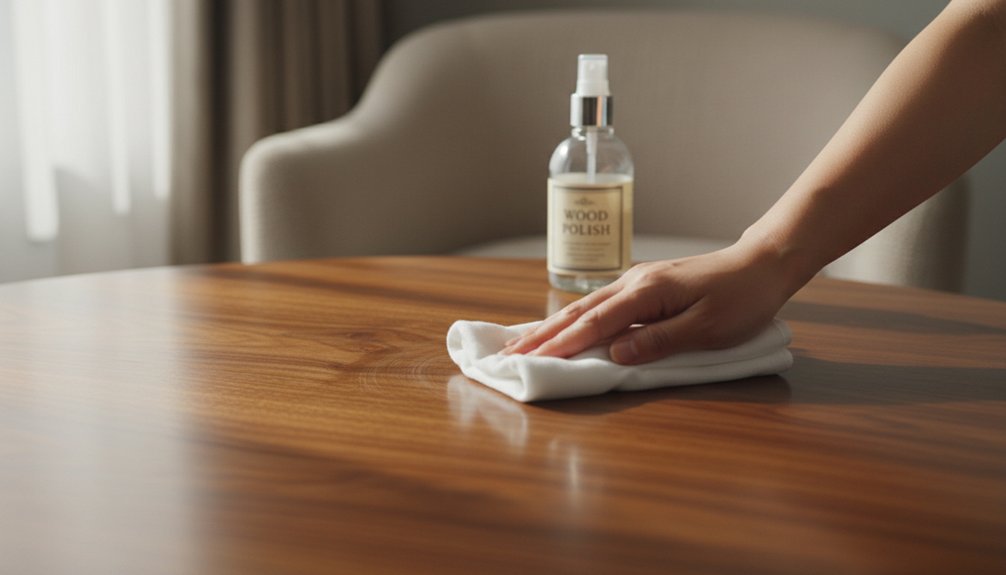
Caring for Walnut Anniversary Pieces
Caring for walnut anniversary furniture requires minimal polish and regular gentle cleaning. Use a soft cloth for daily dusting, and apply mild cleaners specifically designed for wood. Avoid over-polishing, as it can lead to wax build-up that dulls the finish.
Maintain a Stable Environment
Maintain consistent temperature and humidity levels to protect walnut wood from warping or cracking. Ideally, keep the environment between 60-75°F (15-24°C) and humidity levels around 40-60%.
Protect from Sunlight
Shield walnut furniture from direct sunlight. Use curtains or UV-filtering films to prevent fading and discoloration over time. This simple step helps preserve the rich color and grain of the wood.
Store Properly
Store walnut pieces in a dry, dust-free area. Avoid basements or attics where moisture and temperature fluctuations can cause damage. Consider using furniture covers for added protection during long periods of storage.
Conclusion
Follow these specific guidelines to ensure your walnut anniversary pieces remain a lasting legacy. Regular maintenance and protective measures will enhance their beauty and longevity.
Why Walnut Furniture Is Timeless
Walnut furniture remains a top choice for those seeking durability and classic style. Walnut wood offers exceptional strength, allowing furniture to resist daily wear and tear effectively. This resilience ensures walnut pieces maintain their visual appeal over time.
The deep, rich color of walnut enhances various interior design styles. Whether in a modern, rustic, or traditional setting, walnut furniture integrates seamlessly without losing its elegance. Each walnut piece features unique grain patterns, adding distinct character to any space.
Investing in walnut furniture means acquiring items that combine longevity with aesthetic value. Walnut’s durability and timeless design guarantee that these pieces will remain integral to your home for years to come. Additionally, dropshipping solid wood furniture provides an easier way to access quality pieces without the risks of traditional retail.
Why Polishing Too Often Hurts Walnut Surfaces
Frequent polishing of walnut furniture can damage its surface. Over-polishing leads to wax build-up, which dulls the finish and obscures the natural beauty of the wood.
To maintain the natural shine of walnut, limit polishing to once every few months.
Understand the Risks of Over-Polishing
Over-polishing harms walnut surfaces by creating a wax layer that traps dirt and grime.
This layer can make the wood appear faded and lifeless. By avoiding excessive polishing, you preserve the wood’s natural luster and texture.
Maintain Walnut Furniture Effectively
To keep walnut furniture looking its best, use a soft cloth and a gentle cleaner.
Wipe down the surface regularly to remove dust and debris without adding polish. Use polish sparingly, focusing on high-traffic areas or spots that need attention.
Recognize Limitations of Frequent Polishing
Frequent polishing doesn’t enhance the finish of walnut furniture.
Instead, it can lead to an uneven sheen and an accumulation of wax. If you notice a dull appearance, consider stripping the old wax and applying a new finish, rather than polishing more often.
Implement Best Practices for Care
Establish a care routine that includes occasional polishing rather than frequent application. Regular dusting is advised to maintain cleanliness and prevent scratches. Aim to polish walnut surfaces no more than two to three times a year. Regular cleaning and mindful maintenance will ensure your walnut furniture retains its beauty for years to come.
Natural Shine Preservation Tips
Preserve the Natural Shine of Walnut Furniture
Polishing walnut surfaces too frequently damages the wood and reduces its natural shine. Many people believe that regular polishing enhances the appearance of walnut furniture, but this practice often strips essential oils from the wood, leading to a dull finish over time.
To maintain the natural beauty of walnut, minimize interference and focus on effective care techniques. Dust walnut furniture regularly with a soft, dry cloth. This simple action removes dust while preserving the existing shine without introducing any additional products.
When polishing is necessary, apply a suitable polish that enhances the wood’s natural oils. Use the polish sparingly and only as needed, following the manufacturer’s instructions to avoid long-term damage to your walnut pieces.
Limit polishing to once every few months to maintain optimal shine. Ensure the polish contains natural ingredients that nourish the wood rather than synthetic additives that can create a buildup.
Wax Build-Up Issues
Address Wax Build-Up on Walnut Furniture
Wax build-up occurs when you apply wax too frequently without proper maintenance. This build-up can dull the shine of your walnut furniture and attract dust, which diminishes its appearance.
Regularly removing excess wax is essential for preserving the condition of your furniture.
Remove Excess Wax Effectively
To remove excess wax, use a soft, lint-free cloth. Gently wipe down the surface, ensuring not to scratch the wood.
Focus on areas with visible wax accumulation. Aim to remove all excess without damaging the finish.
Apply Wax Correctly
When applying wax, use a clean cloth to spread a thin layer evenly across the surface.
Allow the wax to dry completely, usually around 15 to 30 minutes, before buffing. This method ensures even coverage and minimizes the risk of build-up.
Limit Wax Application Frequency
Limit wax application to every 3 to 6 months, depending on usage and environmental factors.
Frequent applications can lead to significant build-up, making maintenance more difficult.
Understand Limitations
Wax removal techniques may not work on damaged or degraded finishes.
If the wood has scratches or deep stains, consider refinishing rather than simply removing wax.
Maintain Consistent Care
Regular maintenance involves cleaning your walnut furniture with a damp cloth to remove dust before it can accumulate.
This practice helps maintain the furniture’s beauty and prevents wax build-up.
Over-Polishing Consequences
Over-Polishing Consequences for Walnut Surfaces
Over-polishing damages walnut surfaces. Frequent polishing can wear down the protective finish. Instead of enhancing shine, excessive polishing leads to dullness.
This dullness reduces the vibrancy of walnut furniture. Residue buildup from too much polishing attracts dust and grime. When dust collects, walnut pieces appear worn and neglected.
To maintain the beauty of walnut surfaces, use polishing sparingly. Establish a regular polishing schedule to preserve the natural appeal of walnut furniture.
A gentle approach with less frequent polishing helps keep your walnut pieces looking elegant for years.
Effective Ways to Clean Without Harm
When you clean furniture, choose safe cleaning solutions that protect the surface. Use natural options like a mixture of vinegar and water or mild dish soap. Avoid harsh chemicals that can damage finishes. For example, mix one cup of vinegar with one cup of water for a gentle cleaner.
Use soft cloths instead of abrasive materials like steel wool. Abrasive materials can scratch the surface and ruin the finish. Instead, opt for microfiber cloths, which effectively lift dust and grime without causing damage.
Test any cleaning solution on a small, hidden area before applying it to the entire surface. This step ensures that the solution won’t react negatively with the finish. If you notice discoloration or damage, discontinue use immediately.
For specific stains, like grease, apply a small amount of mild dish soap directly to the stain and gently wipe with a damp cloth. Rinse the area with a clean, damp cloth to remove any soap residue.
Regular maintenance is crucial. Dust furniture weekly with a soft cloth to prevent buildup. For deeper cleaning, do this every month, using your chosen natural cleaner. Additionally, consider the benefits of wholesale furniture as it often includes guidance on care and maintenance for specific materials.
Always prioritize safety and effectiveness when cleaning, and you’ll maintain your furniture’s appearance for years.
Safe Cleaning Solutions
Safe Cleaning Solutions for Furniture
Caring for walnut furniture requires safe cleaning solutions that effectively remove dirt without causing damage. Use a mixture of vinegar and water as a mild cleaner. This solution removes dirt while preserving the wood’s integrity.
For stain treatment, dilute gentle detergent in water and apply it with a soft cloth.
For tougher dirt, mix mild liquid soap with warm water. This combination helps lift stubborn grime without harming the finish.
After cleaning, dry the surface completely to avoid moisture damage. Always test any cleaning solution on a small, hidden area first to ensure it doesn’t affect the finish.
Avoiding Abrasive Materials
Avoid Abrasive Materials When Cleaning Furniture
Abrasive materials damage furniture surfaces, especially walnut pieces. To maintain the integrity of walnut furniture, avoid using abrasive cleaners during the cleaning process.
Use a Soft, Lint-Free Cloth
Using a soft, lint-free cloth prevents scratches on walnut surfaces. Wipe the furniture gently to maintain the finish.
Regular use of this cloth keeps surfaces smooth and reduces the risk of damage.
Opt for Mild Soap and Warm Water
Mix a small amount of mild soap with warm water for cleaning. Carefully apply this mixture to the surface using a soft cloth.
After cleaning, dry the surface thoroughly to prevent moisture damage. This method protects the walnut finish and ensures a clean surface without harm.
Consider Using a Microfiber Cloth
Microfiber cloths effectively pick up dust and dirt without abrasive cleaners.
Use a microfiber cloth to maintain walnut furniture regularly. This approach minimizes the risk of scratches and keeps the surface looking pristine.
Conclusion
Regular gentle cleaning with appropriate materials helps preserve walnut furniture.
By using soft cloths, mild soap, and microfiber options, you can maintain the beauty and longevity of walnut pieces.
Avoiding abrasive materials is crucial for protecting the surfaces and ensuring their elegance over time.
Balancing Temperature and Humidity
Maintain Temperature and Humidity for Furniture Longevity
Balancing temperature and humidity is vital for preserving the integrity of your walnut anniversary pieces. Temperature fluctuations and humidity levels directly impact the wood, causing it to expand and contract. This movement can lead to cracks and warping.
Maintain a stable interior climate to protect your furniture investment.
Monitor Temperature
Maintain a temperature between 60-80°F to ensure wood stability.
Use a thermostat to keep the temperature within this range. Avoid rapid temperature changes, as they can damage the wood structure.
Control Humidity
Keep humidity levels between 30-50% to prevent wood deterioration.
Install a humidifier if the air is too dry, or use a dehumidifier if the air is too humid. Consistent humidity levels help to avoid issues like splitting and mold growth.
Regular Monitoring
Check the temperature and humidity levels weekly.
Use a hygrometer to measure humidity and a thermometer for temperature. Regular monitoring helps you catch fluctuations early and take corrective action before damage occurs.
Managing Sunlight Exposure for Walnut
Manage Sunlight Exposure for Walnut Furniture
Sunlight exposure can damage walnut furniture, causing fading and discoloration. To protect walnut pieces, manage sunlight effectively. Use curtains or blinds during peak daylight hours to minimize direct sunlight on the furniture.
Apply UV Protection
Install UV protection films on windows to block harmful rays while maintaining natural light. This film helps safeguard walnut surfaces from sun damage.
Reposition Furniture
Reposition walnut furniture regularly to prevent uneven discoloration. Moving pieces every few months ensures that no single area suffers from consistent sunlight exposure.
Use Furniture Covers
Utilize furniture covers when the walnut pieces aren’t in use for extended periods. Covers provide an additional layer of protection against sunlight and dust.
Maintain Minimal Direct Sunlight
Limit direct sunlight on walnut furniture to preserve its vibrant appearance. Following these steps keeps walnut pieces looking well-maintained and enhances their natural beauty over time.
How to Store Walnut Furniture Like a Pro
Storing walnut furniture properly helps maintain its beauty and functionality over time. Start by placing walnut furniture in a stable environment with moderate temperature and humidity levels. Extreme temperatures and high moisture levels can cause walnut wood to warp or crack.
Proper storage of walnut furniture ensures its long-lasting elegance and durability; avoid extreme temperatures and high humidity.
Use soft covers or blankets to protect walnut surfaces from dust and scratches. Avoid plastic covers because they trap moisture and can lead to damage.
Choose a storage location away from direct sunlight and windows to prevent fading of the rich walnut color.
Elevate walnut furniture slightly off the floor to allow airflow and prevent dampness. If you have larger walnut pieces, disassemble them to reduce stress on joints during storage.
Expert Tips for Extending Furniture Life
To extend the life of your walnut furniture, adopt practical care routines tailored to its specific needs. Implementing consistent maintenance can prevent deterioration and preserve both appearance and function. Here are focused strategies:
- Regular Dusting: Dust accumulates on surfaces and can lead to scratches. Use a soft, lint-free cloth to wipe down walnut furniture weekly. This action prevents buildup and maintains the finish.
- Avoid Direct Sunlight: Position walnut furniture away from direct sunlight. Sun exposure can cause fading and drying. Use curtains or shades to filter light effectively, protecting the wood’s natural color and integrity.
- Immediate Spill Clean-up: Promptly address spills to prevent stains and water damage. Gently blot the spill with a damp cloth, then follow up with a dry cloth to ensure all moisture is removed. This quick response protects the wood from lasting harm. Additionally, consider the solid wood structures that enhance durability, ensuring your furniture remains a cherished piece for years to come.