
To improve our furniture retail business, we implement pre-delivery communication protocols. Our team makes confirmation calls 24-48 hours before delivery. We provide customers with detailed documentation regarding access requirements for their homes.
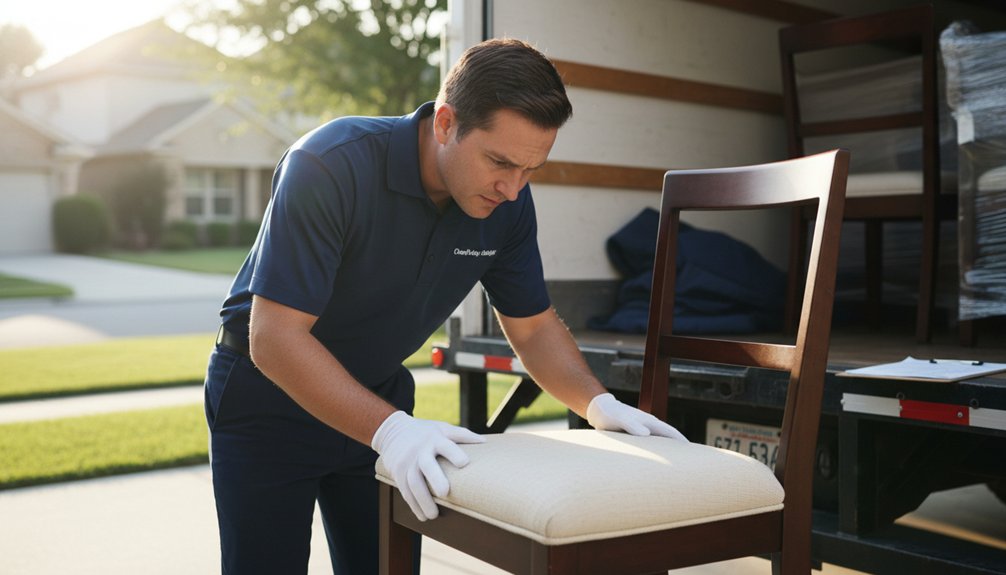
Next, we train our delivery teams to adhere to white-glove service standards. They focus on preventing damage during delivery, following home protection procedures, and maintaining a professional appearance.
We also establish clear return policies. These policies include specific timelines for returns and detailed procedures for assessing damages.
Furthermore, we integrate smart technology solutions. We use real-time tracking systems to keep customers informed about their orders. We also offer mobile apps that allow customers to monitor their deliveries.
Finally, we actively collect customer feedback. Automated rating systems help us identify areas for service improvement. This ongoing feedback loop drives our commitment to enhancing customer loyalty.
Pre-Delivery Communication and Scheduling Excellence
Effective communication before delivery is crucial for ensuring a smooth furniture delivery process. To achieve this, you need structured systems that coordinate timing, access requirements, and customer expectations.
Create pre-delivery checklists that include delivery windows, special instructions, and required equipment. Your team needs to verify apartment numbers, elevator access, and parking restrictions before dispatch. These checklists help prevent last-minute complications that can delay deliveries.
Schedule customer confirmation calls 24 to 48 hours before the delivery. During these calls, confirm the delivery window, discuss any access challenges, and ensure that someone will be available to receive the furniture.
Ask specific questions about stairs, narrow doorways, or preferences for assembly.
Document all communication in your system. Keeping clear records allows your delivery team to prepare adequately and reassures customers about your service standards. Implementing these practices can enhance the overall experience, especially when leveraging the dropship program that offers streamlined logistics and timely deliveries.
This structured approach ultimately leads to smoother deliveries and satisfied customers.
White-Glove Service Standards and Training Requirements
Strong communication is crucial for successful deliveries, but the execution by your delivery team is what truly ensures customers receive the premium experience they expect.
White glove training equips delivery workers with the skills to become service professionals who embody your brand’s commitment to excellence.
Effective service requires thorough preparation in both technical skills and customer interaction protocols:
- Train staff on product handling techniques – Teach workers how to lift, wrap, and protect furniture. This training prevents damage during transport and ensures items arrive in perfect condition.
- Implement home protection procedures – Instruct teams to use floor coverings, door guards, and corner protectors. These measures safeguard the customer’s property during delivery and installation.
- Establish professional presentation standards – Set clear dress codes and communication guidelines. Ensure every customer interaction reflects courteous behavior and professionalism.
- Develop assembly and placement expertise – Train crews to efficiently assemble furniture and position items according to customer specifications. This ensures customer satisfaction and enhances their overall experience.
Additionally, providing dropshipping solutions can streamline your operations and improve delivery efficiency.
Damage Prevention and Quality Control Protocols
Training forms the foundation of excellent service in furniture delivery. Systematic damage prevention and quality control protocols protect your furniture and your reputation. Conduct thorough damage inspections before items leave your warehouse. Each team member examines every piece for scratches, dents, loose joints, and fabric flaws. Document any existing damage with photos and detailed notes for accountability.
During the loading process, use proper protective materials. Cover furniture with moving blankets, apply corner guards, and secure items with straps. Establish clear handling procedures tailored to different furniture types to prevent damage.
Implement a quality assurance process that includes pre-delivery inspections at the customer’s location. Recheck items before bringing them inside. This double-check system reduces disputes and guarantees customer satisfaction.
Create standardized checklists for your delivery teams to follow consistently for every delivery. This structured approach ensures that all aspects of damage prevention and quality control are addressed effectively.
Streamlined Return Policy Framework
A clear return policy framework is essential for managing furniture returns effectively. Set specific deadlines for customers returning items, differentiating between defective products and returns due to customer preference changes.
For defective products, allow a longer return window. For non-defective returns, implement shorter return periods to streamline the process.
Establish damage assessment protocols that enable your team to quickly evaluate returned items. The team should determine if an item can be resold, needs repair, or must be written off as a loss.
Clear Timeline Requirements
Establishing clear timeframes for returns helps customers and retailers avoid confusion.
Clear deadlines support customer satisfaction while protecting your business. Communicating delivery expectations prevents misunderstandings about when return windows start.
Your timeline requirements should include:
- Return window duration: Set this period for 30 to 90 days from the delivery date.
- Inspection period: Allow customers 48 to 72 hours to report any damage or defects.
- Pickup scheduling timeframe: Provide a window of 5 to 7 business days for customers to arrange the return collection.
- Refund processing timeline: Process refunds within 7 to 14 business days after inspecting the returned item.
Document these timelines clearly in your return policy. Confirm them during the initial sale.
Damage Assessment Protocols
When damage occurs during furniture delivery or while items are with customers, a systematic approach is crucial for evaluating and documenting these issues. This process protects your business and maintains customer relationships.
Train staff to assess damage severity accurately and determine the best solutions. Use standardized forms to capture key details, including damage location, size, and possible causes. Take photographs from multiple angles to support your documentation.
During assessments, gather specific customer feedback. Ask customers when they first noticed the damage and what factors may have contributed. This information helps identify patterns and enhances future delivery processes.
Establish clear criteria for deciding between repair and replacement, ensuring consistency in all cases. Document every detail to assist with insurance claims and maintain accurate records for quality improvement initiatives.
This structured approach will help minimize issues and enhance overall service quality.
Cost-Effective Reverse Logistics Solutions
Furniture returns can significantly affect profitability. To manage these costs effectively, retailers need to implement reverse logistics solutions. Retailers should analyze their return processes to pinpoint the highest expenses. Building partnerships with third-party logistics providers can help lower handling costs.
Here are specific strategies that can help:
- Consolidate return shipments. This action reduces transportation costs for each returned item.
- Partner with refurbishment specialists. These experts restore returned furniture to a sellable condition, maximizing recovery value.
- Implement regional return centers. These centers minimize long-distance shipping fees by processing returns closer to customers.
- Develop liquidation channels. This approach allows retailers to sell items that can’t be resold at full price in alternative markets.
Additionally, retailers can benefit from free delivery options that enhance customer satisfaction and may reduce the likelihood of returns.
Technology Integration for Enhanced Customer Experience
You can improve your furniture delivery and return processes by using smart technology solutions that keep customers updated throughout the entire journey.
Real-time tracking systems allow customers to monitor their orders from the warehouse to their doorstep. Mobile apps give customers easy access to their order status, scheduling options, and return requests.
Automated communication tools send customers timely updates about delivery windows, delays, and return confirmations. This approach reduces the need for constant manual oversight from your team, streamlining operations while enhancing customer satisfaction.
Real-Time Tracking Systems
Real-time tracking systems significantly enhance how furniture retailers manage deliveries. These systems give you clear visibility into every step of the shipping process. You can track your inventory from the warehouse directly to the customer’s doorstep. This visibility ensures transparency and accountability in your delivery operations.
Here are some key advantages of using real-time tracking systems:
- Automated delivery notifications keep customers updated without requiring manual input from your team.
- Real-time updates reduce the number of customer service calls and complaints, allowing your staff to focus on other tasks.
- Route optimization enables drivers to find the most efficient paths, helping them meet scheduled delivery windows.
- Proof of delivery documentation safeguards your business against disputes and claims from customers.
Implementing these tracking technologies helps you cut operational costs while boosting customer satisfaction. Your team can proactively manage delays, communicate any changes in schedules, and provide precise arrival estimates.
This level of transparency builds trust with customers, especially when they’re making significant furniture purchases.
Mobile App Solutions
Mobile app solutions improve customer interactions with furniture delivery and return services throughout the purchase process.
You can implement key app features that enhance communication and boost customer satisfaction. Push notifications inform customers about delivery windows, schedule changes, and driver locations. In-app messaging allows customers to communicate directly with delivery teams, facilitating quick problem resolution.
Your app should include a feature for customers to upload photos for documenting damage and making return requests. Collecting digital signatures reduces paperwork and provides permanent records. Real-time GPS tracking shows delivery vehicle locations and estimated arrival times.
You can streamline customer feedback collection with in-app rating systems and review prompts. This setup enables you to gather valuable data about service quality, while customers can easily report issues or commend exceptional service, leading to continuous improvement in your operations.
Automated Communication Tools
Automated communication tools significantly enhance the delivery process for furniture companies. These tools send timely updates to customers, which reduces confusion and minimizes the number of support calls.
Automated systems deliver real-time notifications via email, text, or app alerts without needing manual input from staff. This approach streamlines operations and keeps customers informed at each stage of their delivery.
To ensure effective communication, implement the following automated notifications:
- Order confirmation – Send immediate acknowledgement of receipt along with the expected delivery timeline.
- Dispatch alerts – Notify customers when their items leave the warehouse, providing them with a sense of progress.
- Delivery windows – Inform customers of specific delivery time frames at least 24 hours before arrival to help them plan accordingly.
- Status changes – Keep customers updated about any delays or changes to their delivery schedule.
Additionally, automated systems can gather customer feedback after deliveries. This feedback helps identify areas for service improvement.
Set up surveys that automatically trigger once delivery confirmation occurs, allowing you to capture customer satisfaction data while the experience is still fresh in their minds.