
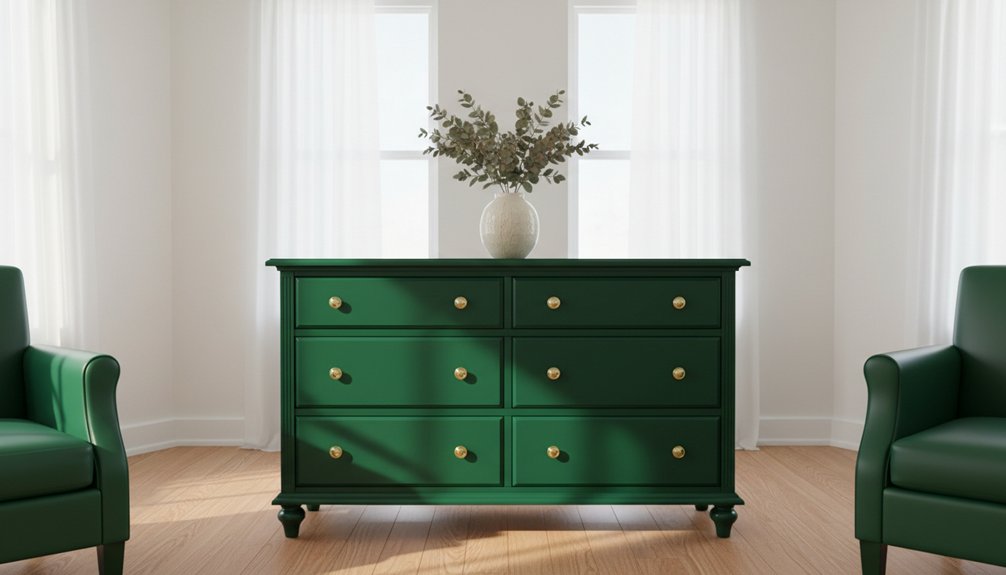
Designers are increasingly choosing painted furniture because color significantly alters the mood and energy of a space. Painted finishes enhance the character of wood by using techniques like semi-transparent stains and dry brushing, which emphasize the grain patterns and add unique personality. Upcycling existing pieces saves money and allows you to achieve high-end looks for under $50. Bold colors such as emerald green and navy serve as statement pieces, aligning with the 2024 trend of personalized decor over traditional finishes. Learning these transformation techniques opens up numerous design possibilities and enhances your creative skills in furniture design.
The Design Psychology Behind Color Choices in Modern Interiors
Choosing colors for your home directly influences your mood and behavior. Each color carries psychological associations that impact your daily experiences. For example, blue promotes calmness and enhances productivity, which makes it suitable for home offices. Green connects occupants to nature and effectively lowers stress levels. Warm colors, such as red and orange, stimulate energy and encourage conversation in social spaces.
When you paint furniture, you shape the environment around you. This environment affects how you interact with your space. Cool tones can make small rooms feel larger, while bold colors inject personality into neutral areas. Understanding these psychological effects allows you to select painted pieces that enhance your home’s atmosphere and align with your lifestyle goals.
Focusing on color choices helps you create a cohesive and intentional design. Each color decision you make should support the overall mood and functionality of your home.
Breaking Traditional Rules: When Paint Enhances Rather Than Hides Wood Character
Many people think paint hides the beauty of wood, but I’ve learned that the right techniques can actually enhance it. I work with methods that respect the wood’s texture and character instead of hiding them.
For example, using semi-transparent stains allows the natural grain patterns to shine through while adding some color. I also use dry brushing to create subtle color variations that follow the wood grain, adding depth to the surface. Distressing techniques can reveal the wood’s natural tones in areas that see wear, giving pieces an authentic vintage look.
Here are some effective techniques to enhance wood character:
- Color washing – I apply thin layers of paint that settle into the grain, highlighting its texture.
- Whitewashing – This technique creates a weathered, coastal appearance while keeping the wood’s details visible.
- Glazing – I add layers to raised surfaces to enhance depth and dimension.
Each of these techniques respects the wood’s natural properties while introducing modern color elements, allowing the wood’s character to stand out rather than be concealed. Additionally, the handcrafted nature of upholstered furniture ensures unique variations that can complement painted finishes beautifully.
Cost-Effective Transformation: Updating Existing Pieces vs. Buying New
Updating existing furniture offers significant financial benefits compared to buying new pieces. Upcycling furniture costs between $20 to $50 for paint and supplies, while new furniture typically costs hundreds or even thousands.
By focusing on budget-friendly renovations, you can achieve a designer look without the designer price tag. For example, transforming a dated dresser into a standout piece can be done for under $40.
Using paint not only enhances the appearance of furniture but also extends its lifespan. Paint protects wood from wear and damage, ensuring your furniture lasts longer. Additionally, regular dusting ensures that your newly painted furniture maintains its beauty and prevents premature wear over time.
High-quality furniture made decades ago often features better construction than many modern alternatives. Therefore, when you repaint existing furniture, you invest in durability while saving money.
This approach reduces waste and allows you to create personalized pieces that reflect your unique style.
Professional Techniques for Achieving Gallery-Quality Painted Finishes
Achieving professional-grade painted finishes on furniture requires mastering specific techniques. First, prepare the surface properly. Sand the furniture thoroughly to remove any imperfections and create a smooth base.
Next, apply a quality primer to ensure the paint adheres well.
When painting, use professional brush techniques. Maintain a wet edge while working to avoid marks and streaks. Apply thin, even coats instead of thick layers to achieve a smooth finish. Always brush in the direction of the wood grain, especially for the final coat, to enhance the piece’s natural beauty.
Understanding different finish types is crucial for both durability and appearance. For instance, layered color techniques add depth, making your work stand out. Distressing methods can add character, giving the furniture a unique story.
Use protective topcoats to ensure your finished piece can withstand daily use while keeping its aesthetic appeal intact. Additionally, consider sourcing quality, handmade furniture from reliable dropship suppliers to enhance your painting projects and ensure high-quality results.
These techniques require practice and patience, but they result in stunning, long-lasting finishes that elevate your work.
Color Trends Driving the Painted Furniture Movement in 2024
In 2024, homeowners are choosing painted furniture to showcase their unique style. This trend features two main approaches: bold colors and soft pastels.
Bold colors like deep emerald green, rich burgundy, and saturated navy blue transform vintage dressers and dining tables into eye-catching statement pieces. These intense hues serve as focal points that enhance modern room designs.
On the other hand, soft pastel colors like sage green, dusty rose, and warm cream provide a more subtle elegance. These lighter tones refresh bedroom furniture and kitchen cabinets without overpowering the space.
Both approaches highlight the growing preference for personalized decor, moving away from standard wood finishes toward vibrant, distinctive pieces. As part of this trend, drop ship painted furniture offers a variety of colorful and stylish options to meet diverse consumer tastes.