
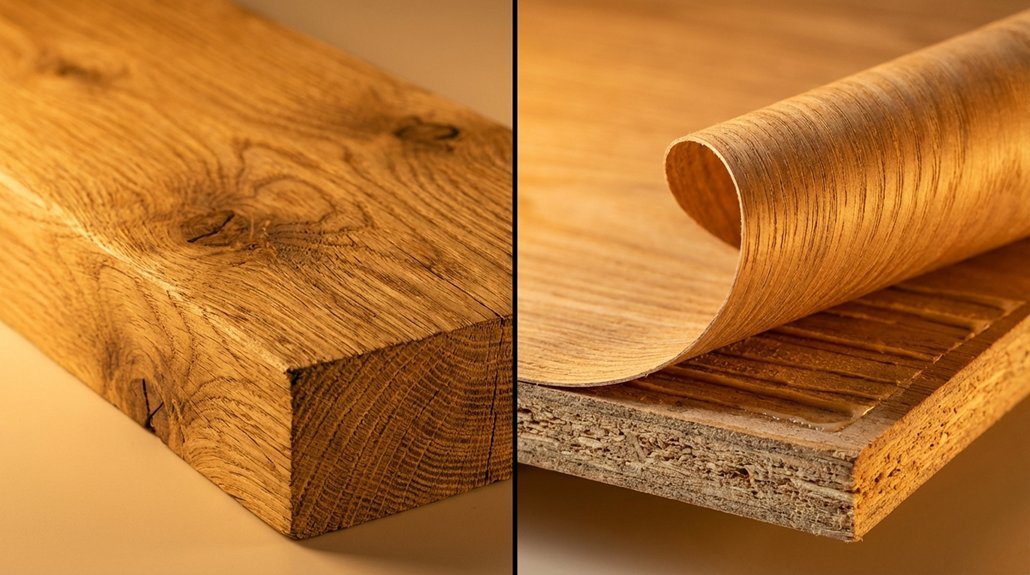
Veneer cannot be sanded, refinished, or repaired like solid wood. This limitation is crucial for selling veneer products in the secondhand and circular economy market. Retailers must accurately label veneer products, clearly explain their repair limitations, and honestly describe any visible wear. This approach builds buyer trust, reduces complaint rates, and justifies higher prices.
Accurate labeling helps buyers understand what they are purchasing. When retailers specify that veneer cannot be refinished, buyers know they are investing in a product with specific care requirements. Clear descriptions of wear allow buyers to make informed decisions, which minimizes returns and dissatisfaction.
Transparency in product descriptions fosters trust. When buyers feel confident in what they are buying, they are more likely to pay premium prices. Informed buyers understand that a well-maintained veneer piece can still provide value, even if it lacks the longevity of solid wood.
Retailers should focus on these distinctions. They should highlight the unique characteristics of veneer while also addressing its limitations. By doing so, they create a more honest marketplace where buyers appreciate the value of transparency. This strategy ultimately leads to better sales outcomes and a stronger reputation in the secondhand and circular economy market.
What Veneer Actually Is (and Isn’t)
Veneer is a thin layer of wood, typically less than an eighth of an inch thick, bonded to a less expensive core material such as plywood or particleboard. This combination provides furniture with a polished, natural wood appearance while minimizing costs compared to solid wood construction.
Understanding the properties of veneer helps manufacturers describe their products accurately and set realistic expectations for buyers.
Many people mistakenly believe that veneer is simply “fake” wood. This misconception is incorrect. Veneer is real wood, but it’s applied differently than solid wood. Manufacturers can’t sand veneer down repeatedly like they can with solid wood.
Additionally, veneer doesn’t perform well in heavy moisture conditions; exposure can damage the adhesive and the veneer itself. Knowing what veneer can and can’t do allows manufacturers to write clear product descriptions, build customer trust, and prevent potential complaints. Furthermore, dropship programs often highlight the advantages of offering both veneer and solid wood options, which can attract a broader customer base.
To summarize, veneer provides a cost-effective way to achieve a natural wood look while having limitations in durability and moisture resistance. Understanding these factors ensures accurate product representations and enhances customer satisfaction.
Why Veneer Can’t Be Refinished or Repaired Like Solid Wood
When you buy a secondhand veneer piece, you must recognize a significant limitation: the veneer layer is very thin, often measuring only about 1/28 of an inch. This thinness prevents you from sanding and refinishing the veneer like you’d with solid wood; sanding too much will cut through the veneer entirely.
Repairs on veneer surfaces are complicated. When a section gets damaged, you can’t simply sand it down or refinish it. You need to find a veneer patch that matches the existing grain pattern, which can be difficult to source. For instance, if a corner gets chipped, locating a matching piece may take time and effort.
Veneer’s Thin Layer Limits
Veneer’s main drawback is its thin layer, which limits refinishing and repair options. The typical veneer thickness ranges from 0.6 to 6 millimeters. When this surface layer becomes worn, chipped, or scratched, repair options become restricted.
Understanding how veneer functions clarifies why many repairs fail:
- Sanding removes the veneer layer: Sanding quickly erodes the veneer, exposing the substrate underneath. This limits the ability to refinish the surface.
- Water damage affects veneer integrity: Water exposure causes veneer to bubble, warp, or detach from its base. This significantly weakens the overall structure and appearance.
- Deep scratches impact surface restoration: Deep scratches can’t be sanded out without risking total destruction of the veneer surface. This further limits repair possibilities.
These challenges directly influence the resale value of veneer products. Knowing these limitations allows for accurate product descriptions, which set realistic buyer expectations and help minimize complaints.
Keeping these factors in mind will guide effective communication about veneer products.
Repair Challenges With Veneer
Understanding Veneer Repair Limitations
Veneer can’t be refinished or repaired using standard woodworking methods. When you sand solid wood, you remove a thin layer and expose fresh material. In contrast, with veneer, that thin layer represents the entire surface.
Standard repair techniques, such as deep sanding or planing, cut through the veneer and expose the substrate beneath. This exposure leads to permanent issues with scratches, chips, and water damage.
These durability concerns are crucial in the secondhand market, where buyers expect signs of wear and tear. As a retailer, you must clearly communicate these limitations.
Buyers who understand veneer’s vulnerabilities won’t expect repairs that are impossible. Providing honest descriptions safeguards your reputation and minimizes complaints. Setting realistic expectations before the sale is essential; you want to avoid issues arising after the buyer discovers them firsthand.
Communicating Veneer Limitations
You must explain that veneer can’t withstand standard repair methods. Veneer can’t be sanded or refinished like solid wood.
This limitation affects how customers perceive the quality and longevity of your products. Clearly stating this upfront helps buyers make informed decisions.
Addressing Common Issues
You should identify common problems with veneer, such as scratches and water damage. Scratches on veneer can’t be easily repaired.
Water damage compromises the integrity of the veneer and leads to visible flaws. By detailing these issues, you prepare buyers for the realities of owning veneer furniture.
Setting Realistic Expectations
Establishing clear expectations about veneer will prevent misunderstandings. Buyers often assume veneer can be treated like solid wood, leading to disappointment.
How to Write Veneer Listings That Don’t Mislead Buyers
Selling veneer furniture online requires clear and honest descriptions to protect both you and the buyer. Ethical marketing involves disclosing materials, condition, and limitations upfront. Sustainable sourcing is becoming increasingly important as buyers want to know what they’re purchasing and its value.
Use these three straightforward listing practices:
- Label the material accurately: Specify “wood veneer over MDF” instead of just “wood.” This clarity helps buyers understand exactly what they’re getting.
- Describe visible wear honestly: Point out any chips, lifting edges, or scratches in your descriptions. Accompany these notes with clear photos to provide a complete view of the item’s condition.
- Explain repair limitations: State that veneer can’t be deeply sanded or refinished like solid wood. This information sets realistic expectations for potential repairs.
Implementing these practices reduces the likelihood of returns, complaints, and disputes. Honest listings also justify higher prices. Additionally, understanding the compatibility with wood types ensures that buyers are aware of the specific care and maintenance their furniture requires.
When buyers trust the information provided, they feel confident in their purchase and are more willing to invest in quality veneer furniture.
The Veneer Description Details That Prevent Disputes
When you list veneer for resale, include precise thickness measurements. Buyers rely on these measurements to ensure the veneer fits their specific project requirements. Clearly identify the wood species and describe the grain pattern in concrete terms, such as straight, wavy, or figured. These details help buyers understand exactly what they’re purchasing. Accurate descriptions minimize disputes after the sale, as buyers receive exactly what they expected based on your listing.
Accurate Thickness Measurements
Accurate thickness measurements provide buyers with essential information for their projects. Measure the veneer with a caliper to ensure precision. Include measurements in fractions of an inch or millimeters for clarity. Avoid vague terms like “about” or “approximately” to prevent misunderstandings.
Clear Wood Species Identification
Clearly identify the wood species in your listing. Specify whether the veneer is oak, maple, cherry, or another type. Misidentification can lead to buyer dissatisfaction and disputes. Use common names and scientific names where applicable to enhance clarity.
Detailed Grain Pattern Descriptions
Describe the grain pattern of the veneer in specific terms. Use descriptors such as straight, wavy, or figured to accurately convey the appearance. Providing detailed descriptions helps buyers visualize the veneer and ensures they know what to expect.
Limiting Factors
Be aware of the limitations when listing veneer. Avoid listing veneer that has visible defects or damage unless clearly stated. This transparency builds trust with buyers and further reduces the likelihood of disputes.
Practical Examples
For example, if you list a maple veneer with a thickness of 1/16 inch, specify that it has a straight grain pattern. This clarity allows buyers to assess its suitability for their projects effectively. Additionally, incorporating real-time inventory updates ensures that buyers are informed about product availability, which further enhances trust and reduces complaints.
Accurate Thickness Descriptions
Thickness is essential in veneer listings because it determines whether the material suits a buyer’s project. Clear thickness descriptions help buyers make informed choices and support sustainability by minimizing returns and waste.
Include These Thickness Details in Every Listing
- Nominal Thickness: State the standard measurement used during manufacturing. For example, a veneer may have a nominal thickness of 1/8 inch.
- Actual Measured Thickness: Provide the precise measurement after production. This often differs slightly from the nominal thickness; for instance, it might measure 0.120 inches.
- Thickness Tolerance Range: Specify the acceptable variation buyers should expect. A common tolerance range might be ±0.005 inches.
Accurate thickness details build trust with buyers. When they receive what they expect, disputes decrease. This transparency can also justify premium pricing in secondhand markets.
Why Accurate Thickness Matters
Buyers need precise thickness information to avoid project delays. If a buyer expects a veneer with a nominal thickness of 1/4 inch but receives one measuring only 0.22 inches, the material may not work for their application.
Limitations and Considerations
Veneer thickness can vary based on production methods and material types. Always specify these limitations to set correct expectations. For example, plywood veneers may have different tolerances compared to hardwood veneers.
Species And Grain Clarity
When you list veneers, specify the wood species and grain clarity upfront. Buyers seek clarity on whether they’re purchasing oak, walnut, cherry, or maple, as each species has distinct values and visual characteristics. Misidentifying wood species leads to disputes and damages trust quickly.
Grain patterns also play a crucial role in the decision-making process. Clearly state whether the grain is straight, figured, or quartersawn. This transparency helps buyers visualize the product and reduces return rates. Accurate descriptions of grain patterns foster buyer confidence and encourage sales.
In the secondhand market, shoppers meticulously compare listings. If your listing clearly identifies wood species and grain pattern, it enhances product reliability. This reliability allows you to justify a premium price, as buyers appreciate transparency and accuracy.
Why Misidentifying Veneer Is Killing Reseller Reputations
Misidentifying veneer as solid wood harms your reputation as a reseller. Misleading product descriptions damage consumer trust. Buyers who feel misled often leave negative reviews that can impact your business for years.
Here’s what misidentification costs you:
- Returned items reduce your profit margins.
- Negative reviews lower future sales.
- Lost repeat customers damage long-term relationships.
You can prevent these issues by learning to identify veneer versus solid wood before creating product listings.
Check the edges of the wood; solid wood has a consistent grain, while veneer often shows a layered construction. Accurate product listings maintain your reputation, minimize complaints, and demonstrate professionalism.
Retailers can also benefit from exclusive trade only supply of premium furniture, ensuring they offer high-quality products that enhance customer satisfaction.
Buyers are more likely to pay higher prices for sellers they trust. Misidentifying materials leads to direct financial losses and erodes trust.
Always examine your products thoroughly to ensure accurate descriptions. This attention to detail fosters long-term customer relationships and supports sustainable business growth.
How Accurate Veneer Listings Let You Charge More
Accurate veneer listings directly influence your profitability. When you specify wood species, veneer thickness, and substrate material, you showcase your knowledge. This builds consumer trust and encourages buyers to accept your pricing.
Informed buyers are more willing to pay a premium for items they understand, rather than making guesses.
Detailed Descriptions Justify Pricing
Each detailed description justifies the item’s value. For example, when you list a walnut-veneered dresser, include specifics about its construction. This transparency signals quality and craftsmanship. Vague descriptions attract bargain hunters who attempt to negotiate lower prices. In contrast, precise listings draw in buyers who appreciate quality and are willing to pay accordingly.
Trust Drives Higher Profit Margins
Trust establishes a relationship between you and your customer. When buyers recognize your expertise through accurate listings, they feel more confident in their purchases. This confidence leads to higher profit margins because consumers are less likely to haggle over prices. Maintaining accuracy in your veneer listings isn’t just ethical; it’s a strategic approach to maximizing revenue. Additionally, providing details about handcrafted furniture reinforces the uniqueness and value of your offerings.
Limitations of Vague Listings
Vague listings don’t foster trust. When you omit details, you risk alienating informed customers who seek quality. Customers who are unsure of an item’s specifics will often look for lower-priced alternatives. This results in lost sales opportunities and diminished profit margins.
Conclusion: Accuracy Equals Profit
In summary, accurate veneer listings build trust and justify higher prices. By providing detailed and honest descriptions, you attract the right buyers and maximize your profitability.
Prioritize accuracy in your listings to enhance your reputation and increase your bottom line.