
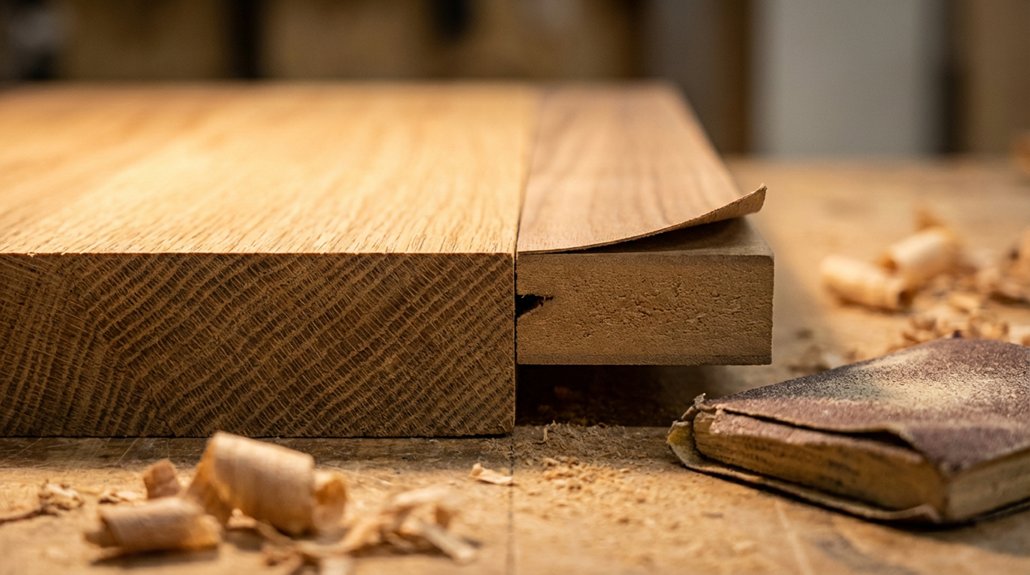
Solid wood and veneer serve distinct purposes in furniture construction. Understanding these differences allows you to advise customers accurately and minimize returns.
Veneer Explained
Veneer consists of thin slices of real wood bonded to a core material, typically plywood. This construction offers stability and cost-effectiveness while ensuring a visually consistent appearance. However, veneer cannot be sanded or refinished like solid wood, limiting its lifespan and adaptability.
Solid Wood Advantages
Solid wood furniture withstands heavy use, making it ideal for high-traffic areas. It lasts longer than veneer and retains its value better over time. Customers seeking durable, long-lasting pieces will benefit from solid wood options. Additionally, solid wood can be refinished multiple times, allowing for restoration and customization over its lifetime.
Practical Selling Tips
When discussing furniture options with customers, emphasize the specific benefits of solid wood for longevity and refinishing potential. Highlight the visual consistency and affordability of veneer for less demanding applications. By clearly communicating these differences, you empower customers to make informed decisions and reduce the likelihood of returns.
In summary, solid wood offers durability and refinishing potential, while veneer provides stability and cost savings. Equip yourself with this knowledge to guide your customers effectively.
What Veneer Is : and What It Isn’t
Veneer is a thin layer of real wood, typically less than 1mm thick, that manufacturers slice from a log and bond to core materials like plywood or MDF. This process creates a surface that maintains the appearance of solid wood while using fewer resources.
Many people mistakenly associate veneer with being fake or cheap, but high-quality veneer can display intricate grain patterns that solid wood may not achieve.
Veneer isn’t fake or cheap — premium pieces often showcase stunning grain patterns impossible to find in solid wood.
Understanding veneer limitations is essential. The thin wood layer means it can’t endure repeated sanding or deep refinishing without damage. While veneer offers an attractive finish, its durability is less than that of solid wood.
Knowing these differences helps guide customers toward making informed choices. For example, when selecting furniture, advise customers that while veneer provides a beautiful look, they should avoid heavy wear or aggressive maintenance practices. Additionally, the dropshipping process allows retailers to offer a diverse range of furniture options that include both solid wood and veneer choices.
This knowledge enables consumers to appreciate the benefits of veneer without misunderstanding its constraints.
Where Veneer Beats Solid Wood : and Where It Doesn’t
Now that you understand where veneer excels and its limitations, let’s focus on specific situations where veneer outperforms solid wood.
Veneer excels in these three scenarios:
- Stability on large surfaces — Veneer maintains its shape better than solid wood on wide tabletops and cabinet doors. This resistance to warping and expansion from humidity changes makes veneer a reliable choice for larger furniture pieces.
- Visual consistency — Veneer allows manufacturers to align grain patterns across different panels. This capability results in a uniform appearance that’s often difficult to achieve with solid wood, which can have more variation in grain and color.
- Cost efficiency — Veneer enables manufacturers to use less expensive core materials while still achieving the look of premium wood species. This approach reduces material costs and provides an attractive finish without compromising the visual quality. Additionally, many wholesale furniture suppliers offer high-quality veneer options that can appeal to budget-conscious customers.
However, veneer does have its drawbacks. Customers who seek furniture that can be refinished will find solid wood a better option.
Solid wood offers greater longevity and repairability, appealing to buyers who prioritize these features over initial cost savings. Understanding these distinctions helps guide customers toward the best choice for their needs.
Why Solid Wood’s Refinishing Advantage Actually Matters
Solid wood offers a significant advantage over veneer due to its ability to be refinished. When solid wood surfaces get scratched or worn, the woodworker can sand down the affected area and apply a new finish. This process restores the piece to its original beauty.
Solid wood’s refinishing advantage sets it apart — scratches and wear are no match for a fresh sand and finish.
In contrast, veneer can’t withstand sanding because its thin layer won’t survive the process.
Surface Scratches
Solid wood allows for sanding and refinishing after surface scratches occur. A woodworker can remove scratches by sanding the area and applying a fresh finish.
Veneer has limited repair options; minor scratches may require patching or replacement, which doesn’t restore the original appearance.
Faded Finish
Solid wood can undergo a full refinish, restoring its vibrant color and appearance. After years of use, a woodworker can strip the old finish and apply a new one, making the piece look brand new.
Veneer, however, only allows for topcoat touch-ups, which don’t address deeper issues like fading or wear.
Long-Term Value
Solid wood maintains high resale potential due to its refinishing capabilities. A well-maintained solid wood piece can look new after years of use, appealing to buyers.
Veneer typically depreciates faster because it can’t be refinished effectively, limiting its lifespan and market value. This reinforces the importance of choosing trade-only furniture that emphasizes durability and long-term investment.
This refinishing advantage plays a crucial role in solid wood’s long-term value for customers. Retailers should emphasize this point when discussing durability and investment with potential buyers.
Solid wood’s ability to be restored adds tangible value that veneer simply can’t match.
Physical Cues That Separate Veneer From Solid Wood on the Floor
Knowing how to identify the differences between solid wood and veneer on the showroom floor helps you guide customers effectively.
Check These Cues
1. Examine Grain Patterns****
Solid wood displays unique, irregular grain patterns that run continuously throughout the piece. In contrast, veneer presents symmetrical patterns, indicating a thin top layer. Recognizing these differences helps customers understand the material quality.
2. Assess Weight Differences****
Lift a drawer or small sample. Solid wood feels significantly heavier than veneer-covered engineered wood. This weight difference is a clear indicator of the material used, aiding customers in making informed choices.
3. Inspect Exposed Edges****
Look closely at corners and undersides. Solid wood maintains a consistent grain across edges. Veneer often reveals a different material or shows visible seams where the veneer ends. This inspection can help customers identify genuine solid wood versus a veneer finish.
These quick checks take mere seconds and enhance customer confidence in your expertise. They also reinforce the importance of material quality in furniture selection. Additionally, understanding the trade only supply of solid wood can inform your customers about the value of investing in high-quality pieces.
How to Talk About Construction Without Losing the Sale
Talking about furniture construction with customers can reinforce their buying decision when approached correctly. Use clear, straightforward language to address their concerns proactively. Effective communication transforms construction details into selling points.
| Customer Concern | What to Say | Why It Works |
|---|---|---|
| “Is it real wood?” | “This piece features a hardwood veneer over a solid core.” | This response clarifies the material used without misleading the customer. |
| “Will it last?” | “The construction is engineered for stability and durability.” | This builds customer confidence in the product’s longevity. |
| “Can I refinish it?” | “You can sand and refinish solid wood components easily.” | This highlights the benefit of maintaining the furniture over time. |
| “Why is it cheaper?” | “The use of veneer lowers material costs while maintaining an attractive appearance.” | This reframes the pricing as a smart choice without sacrificing quality. |
| “What’s the difference?” | “Solid wood means the material is the same throughout the entire piece.” | This gives a simple, direct explanation of the material differences. |
Additionally, understanding the importance of proper care can reassure customers that both solid wood and veneer can be maintained to extend their lifespan.
Addressing these specific concerns clearly helps customers feel informed and confident in their purchase decisions.