
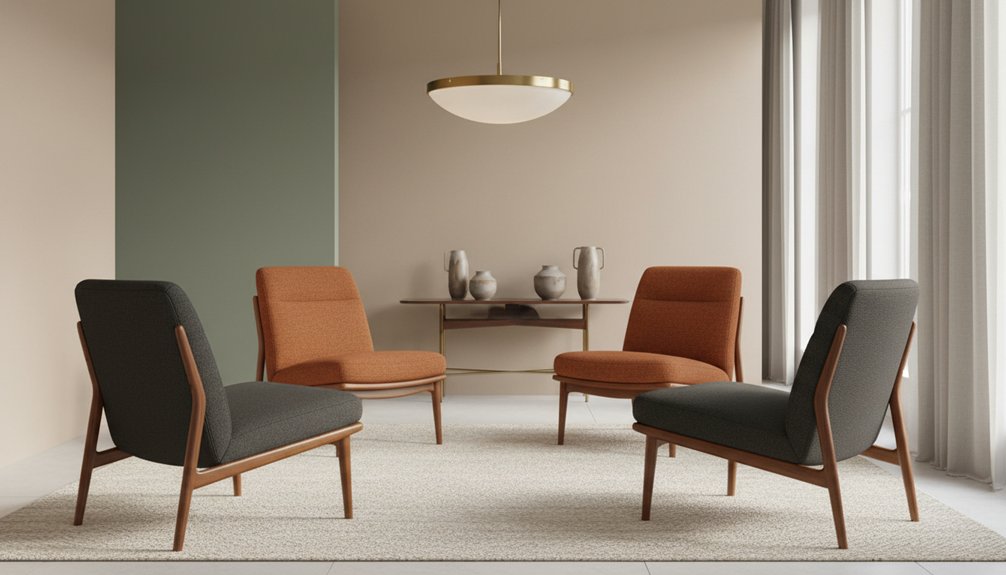
Tapered Legs Resurge in Mid-Century Modern Chairs
You see tapered legs making a comeback in mid-century modern chairs because they blend sophisticated design with strong historical roots. Tapered legs provide stability and elegance, making them ideal for minimalist and eclectic interiors. Most designers prioritize materials like bamboo and reclaimed oak, enhancing sustainability in furniture production.
Brands like West Elm have incorporated tapered legs into their collections, making these designs accessible for consumers. This trend offers a practical choice for those looking to balance aesthetics with environmental responsibility.
Focusing on eco-friendly practices supports sustainable living and promotes responsible consumption. As more manufacturers adopt these principles, the market sees an increase in options that cater to both style and sustainability.
Understanding the historical significance of tapered legs helps appreciate their role in contemporary design. These legs not only enhance the visual appeal of chairs but also reflect a commitment to quality craftsmanship. By choosing mid-century modern chairs with tapered legs, consumers invest in timeless pieces that merge style with functionality.
History of Tapered Legs in Chairs
Tapered legs play a crucial role in chair design, with origins tracing back to ancient Egyptian and Greek furniture. These cultures designed tapered legs to enhance stability and provide an attractive silhouette. The tapered leg structure offers a sturdy foundation while maintaining a streamlined look.
During the Renaissance, the tapered leg design evolved as artisans across Europe refined its form. Craftsmen integrated tapered legs into elaborate furniture pieces, blending functionality with artistry.
By the 18th century, tapered legs became standard in neoclassical furniture, where designers valued their elegance and simplicity.
Today, tapered legs remain popular in modern furniture design. Manufacturers use this style for various seating options, from dining chairs to lounge chairs. The practicality of tapered legs allows for easy movement and a lightweight appearance, making them ideal for contemporary spaces. Additionally, the trend towards quality handmade furniture has further popularized this timeless design.
Tapered legs aren’t without limitations. In high-stress environments, such as commercial settings, tapered legs may require additional reinforcement to maintain stability. Understanding these constraints helps designers choose the right leg style for specific applications.
Factors Behind the Revival of Tapered Legs
Tapered legs are experiencing a revival due to their simple, elegant design. This resurgence stems from the influence of retro aesthetics, which appeal to consumers looking for a nostalgic touch in their modern furnishings.
Designers are increasingly selecting sustainable materials for tapered legs, making them not only stylish but also eco-friendly.
The focus on tapered legs aligns with current trends in minimalism, where clean lines and functional designs are prioritized. Manufacturers are producing tapered legs in various materials, including wood and metal, to meet diverse consumer preferences. This versatility enhances their appeal in both residential and commercial settings.
Many furniture makers report that tapered legs can complement a wide range of styles, from mid-century modern to contemporary. As a result, they’re a practical choice for designers looking to create cohesive spaces. Additionally, the handcrafted nature of upholstered furniture ensures unique variations that enhance the overall aesthetic appeal.
However, it’s important to consider the weight distribution and stability of furniture with tapered legs, as poorly designed pieces can lead to wobbling or tipping.
Aesthetic Appeal of Simplicity
The Appeal of Mid-Century Modern Furniture
Mid-century modern furniture attracts attention for its clean lines and practical design. This style emphasizes functionality, particularly through features like tapered legs. Tapered legs enhance stability while creating a visually light appearance. This design choice ensures that each piece serves a specific purpose, making it ideal for various modern spaces.
| Feature | Description |
|---|---|
| Design Style | Minimalist |
| Material | Wood or Metal |
| Shape | Sleek and Tapered |
| Visual Impression | Graceful and Airy |
Tapered legs create a sense of openness in a room. Unlike bulky furniture, tapered legs do not overwhelm a space. Each element of the chair contributes to an overall balance of aesthetics and functionality. This emphasis on simplicity allows mid-century modern furniture to remain versatile across different interior styles.
Mid-century modern furniture proves its adaptability in diverse settings. For instance, a light wood chair with tapered legs complements both minimalist and eclectic designs. This furniture style functions well in homes, offices, and public spaces, providing a timeless aesthetic that meets practical needs.
Influence of Retro Design
Mid-century modern furniture offers simplicity and functionality, appealing to those who value design rooted in the past. This design era, known for its clean lines and minimalism, reintroduces retro influences that attract individuals who appreciate the elegance of tapered legs.
Design nostalgia significantly impacts this trend; many consumers prefer styles that remind them of their childhood or an idealized past. Tapered legs effectively capture this nostalgia, referencing furniture styles from the 1950s and 1960s.
Choosing furniture with tapered legs enhances your space by integrating a timeless aesthetic with contemporary interiors. Tapered legs provide both visual appeal and practical support, making them functional as well as stylish. This design choice ensures that furniture remains relevant across different design trends, bridging the gap between classic and modern styles.
When selecting mid-century modern pieces, consider the balance between form and function. Look for high-quality materials that offer durability while maintaining the sleek lines characteristic of this era.
Understanding the historical context of tapered legs can help in making informed decisions about how to incorporate these elements into your design.
Sustainable Material Usage
Tapered Legs in Mid-Century Modern Furniture: A Commitment to Sustainability
Mid-century modern furniture featuring tapered legs emphasizes sustainable material usage. Designers prioritize eco-friendly materials, such as bamboo and reclaimed oak. Bamboo grows rapidly, making it a renewable resource. Reclaimed oak repurposes existing wood, reducing the need for new timber. Both materials provide durability, ensuring longevity in furniture design.
Choosing furniture with tapered legs directly supports sustainable practices. Manufacturers minimize waste through efficient production techniques and careful material selection. This practice reduces the carbon footprint associated with furniture manufacturing.
By selecting these pieces, consumers actively participate in a movement that values both design and responsible resource management.
How Tapered Legs Complement Minimalist and Eclectic Interiors
Tapered legs enhance minimalist and eclectic interiors by providing a streamlined aesthetic that complements various design styles. These legs offer flexibility in design, allowing homeowners to select from numerous shapes, materials, and finishes that align with their personal taste.
Tapered legs make furniture appear lighter and less bulky, which is especially beneficial in minimalist spaces where simplicity is key.
In eclectic interiors, tapered legs help unify diverse elements by adding a consistent design feature. For example, a mid-century modern chair with tapered legs can sit comfortably alongside a contemporary table, creating balance without clashing.
The versatility of tapered legs allows them to adapt to different color palettes and textures, making them suitable for a range of furnishings, from sofas to dining tables.
While tapered legs work well in many settings, they may not be suitable for all types of furniture. Heavy or oversized pieces may require sturdier, more robust legs for stability.
Additionally, in homes with small children or pets, tapered legs may be more vulnerable to damage compared to thicker designs.
Ultimately, tapered legs contribute to a cohesive look by enhancing the visual flow of a room. By integrating this design element, homeowners can achieve an inviting atmosphere that feels both curated and comfortable. Furthermore, incorporating furniture made from premium materials such as solid wood can elevate the overall aesthetic and durability of the space.
Blending Styles With Elegance
Tapered legs in mid-century modern chairs blend minimalism with eclectic design effectively. These legs provide a visual bridge by combining clean lines with sophistication. The slender shape of tapered legs enhances minimalist spaces and creates elegant contrasts, adding visual interest without overcrowding the room.
When incorporating eclectic pieces, tapered legs serve as a unifying element. They allow different styles to coexist seamlessly. Tapered legs work well with various furniture, ranging from bold patterns to simple shapes. This versatility maintains balance and cohesion in the overall design.
Tapered legs soften rigid structures. They smooth the integration of diverse aesthetics, enhancing the overall ambiance. Using mid-century modern chairs with tapered legs in your interior design achieves a refined, cohesive look that elevates the space.
Versatility in Design Choices
Tapered Legs Enhance Versatility in Design
Tapered legs provide strong versatility, making them suitable for both minimalist and eclectic interiors. The sleek, angled structure of tapered legs adapts well to various design styles.
In minimalist spaces, tapered legs create a clean look, enhancing the open feel of the area. This design allows furniture pieces to stand out while maintaining a sense of airiness.
In eclectic interiors, tapered legs unify different design elements. These legs connect various styles, textures, and colors, ensuring cohesion throughout the space.
The adaptability of tapered legs supports the use of bold patterns and colors, maintaining visual balance.
Tapered legs serve as an effective choice for adding innovation to your interior design. Their functionality and aesthetic appeal make them a reliable option when looking to create a harmonious and stylish environment.
Harmonizing Spaces Aesthetically
Choosing Furniture to Harmonize Your Space
When you select furniture for your home, focus on how each piece interacts with others to create a cohesive environment. Tapered legs on mid-century modern chairs enhance color harmony and spatial balance in both minimalist and eclectic interiors. These legs provide a light, airy aesthetic that visually opens up the room, contributing to a well-proportioned space.
In minimalist settings, tapered legs complement clean lines and allow color choices to shine without cluttering the visual landscape. For example, pairing a chair with tapered legs in a neutral color palette enhances the simplicity of the room while making specific accent colors stand out.
In eclectic spaces, tapered legs help to unify diverse styles and patterns. They act as a visual anchor, ensuring that various design elements work together rather than compete for attention.
Tapered legs also facilitate movement and flow within a room. Their slender profile allows for easier navigation, which is crucial in smaller spaces. This design choice encourages a more open feel, making the area more inviting.
Remember that while tapered legs offer many benefits, they may not be suitable for every style. Heavier, bulkier furniture may require sturdier, more solid bases to maintain stability.
Easy Ways to Add Tapered Leg Chairs to Your Space
To effectively incorporate tapered leg chairs into your space, focus on your room’s color palette and existing furniture. Select chairs that either match or provide a subtle contrast to your current colors. For example, if your room features warm tones, consider chairs with a light wood finish to add balance.
Next, assess the placement of tapered leg chairs. Position them in dining areas, living rooms, or workspaces to enhance functionality. Create conversation areas by grouping chairs together or set up a cohesive dining arrangement.
For a unique yet harmonious look, mix different sizes and finishes of tapered leg chairs, ensuring that they complement each other without overwhelming the space.
Consider the materials and textures of the chairs as you select them. If your space includes soft fabrics like upholstery, choose tapered leg chairs made of smooth wood to maintain a balanced feel. Additionally, explore dropship solid wood furniture options that evoke the timeless appeal of mid-century modern design.
Avoid overly heavy or bulky designs that can disrupt the light, airy aesthetic typical of mid-century modern styles.
Leading Brands Reviving Tapered Leg Design
Explore how to effectively incorporate tapered leg chairs into your space by focusing on brands that excel in this area.
West Elm leads the movement by integrating tapered legs into their mid-century modern collections. These designs emphasize a modern aesthetic while maintaining classic elements, ensuring both functionality and style in various environments.
Herman Miller enhances the tapered leg chair market through strategic design collaborations. The company partners with renowned designers to produce innovative interpretations of tapered leg chairs.
These collaborations ensure that the chairs balance form and function, providing both quality and timeless appeal.
By selecting these brands, you invest in durable products that support the resurgence of tapered leg design. This focus on high-quality craftsmanship not only enhances your space but also aligns with a broader trend in furniture design.
Practical Trends in Tapered Leg Furniture
Tapered leg furniture combines functionality with a sleek aesthetic, making it increasingly popular in various living spaces. Tapered legs provide essential stability, which is crucial for furniture used frequently, such as dining tables and chairs. This design supports practical living environments and complements a wide range of decor styles.
Dining Tables Support Gatherings
A dining table with tapered legs creates a stable and stylish area for family meals or gatherings. The tapered design offers an elegant look while ensuring that the table can withstand daily use. For example, a dining table with tapered legs can accommodate six to eight people comfortably, making it ideal for entertaining.
Chairs Improve Comfort in Reading Nooks
A chair featuring tapered legs enhances comfort in a reading nook. The design of the tapered legs allows for a lower profile, making the chair more accessible and inviting. Choosing a chair with proper cushioning and tapered legs can significantly improve the overall comfort level, encouraging longer reading sessions.
Office Desks Boost Productivity
An office desk with tapered legs promotes focus and productivity. The clean lines and minimalistic design of tapered legs create an uncluttered workspace. For instance, a desk measuring 60 inches in width with tapered legs provides ample space for a computer and documents while maintaining a professional appearance.
Coffee Tables Integrate with Living Room Decor
A coffee table featuring tapered legs seamlessly integrates into a living room. The design complements other furniture pieces, enhancing the overall aesthetic without overpowering the space. A coffee table with tapered legs can range from 40 to 50 inches in length, providing enough surface area for drinks and decorative items while keeping the area open and inviting.
Conclusion
Tapered leg furniture effectively combines form and function, making it a practical choice for various living spaces. The design not only enhances the aesthetic appeal but also ensures stability and comfort. Regular maintenance of wooden furniture is essential to preserve its beauty and longevity, complementing the stylish design of tapered leg pieces.