
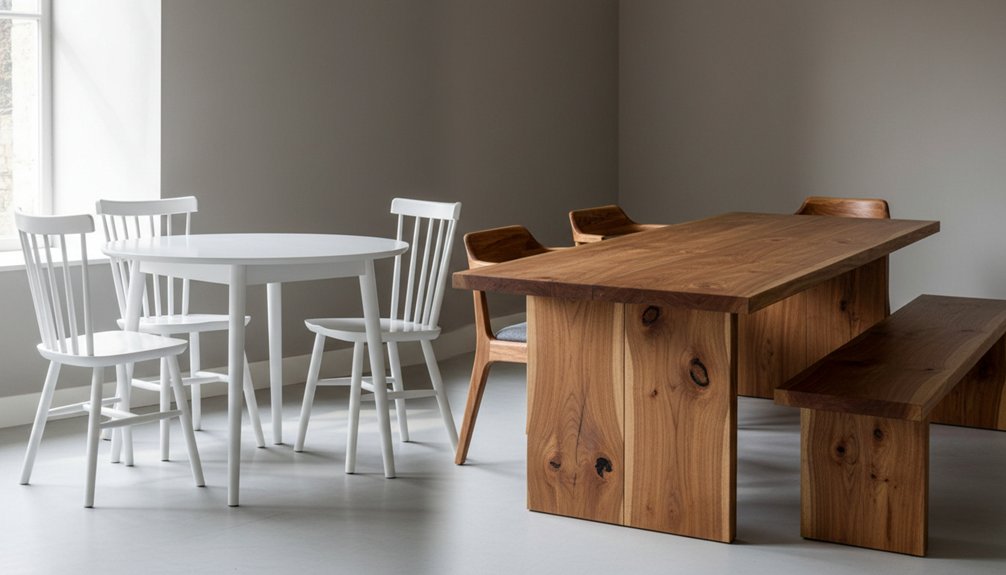
You will see that painted furniture appeals to 68% of younger buyers who look for versatility and affordability. These buyers often choose painted pieces because they can easily match colors to their decor and update trends without significant investment. However, painted furniture tends to chip over time, which can be a concern for some customers.
On the other hand, natural wood furniture attracts established clients who appreciate timeless craftsmanship and unique grain patterns. Natural wood pieces offer superior durability, but they require specific maintenance products and can limit design flexibility.
To maximize profit potential and customer satisfaction, retailers and interior designers should balance inventory between painted and natural wood furniture. This strategy allows you to cater to diverse demographics and meet varying customer needs effectively.
Understanding Client Preferences and Market Demographics
Homeowners exhibit distinct preferences when choosing between painted furniture and natural wood finishes. Younger buyers often select painted furniture because it offers versatility and affordability. They appreciate how painted pieces align with evolving décor trends. In contrast, older clients typically prefer natural wood due to its timeless appeal and craftsmanship. Income levels significantly influence these choices. Higher-end customers tend to value the premium quality of wood, while budget-conscious buyers often lean toward painted options for their cost-effectiveness. Geographic location also plays a crucial role in these preferences. Urban clients frequently choose painted furniture due to space constraints, while rural customers often favor the traditional aesthetic of natural wood. Family status further impacts these decisions. Parents with young children often opt for painted pieces because they’re easier to clean and replace. Meanwhile, empty nesters are more likely to invest in quality wood furniture, viewing it as a lasting heirloom. Additionally, many retailers benefit from dropshipping furniture to meet diverse customer preferences without the burden of maintaining inventory.
Cost Analysis and Pricing Strategies for Both Options
When you look at furniture options, you need to compare costs between painted and natural wood pieces. Natural wood furniture usually has higher initial costs because of the quality materials and the finishing processes involved. Solid hardwood pieces are often the most expensive, while veneer options provide a more affordable choice.
On the other hand, painted furniture has a wider range of costs. Budget-friendly painted pieces typically use engineered woods and several layers of paint, which significantly lowers material costs. Conversely, high-end painted furniture made with quality hardwoods and hand-applied finishes can be priced similarly to natural wood options.
When setting your prices, you should clearly differentiate between these materials. Position natural wood furniture as premium products while using painted pieces to attract budget-conscious customers.
You also need to consider labor costs, as the painting process adds extra steps to manufacturing, which impacts your final retail pricing. Additionally, offering dropshipping options can streamline your inventory management and enhance your customers’ shopping experience.
Design Versatility and Color Coordination Benefits
Natural wood displays its grain patterns, but painted furniture provides greater design flexibility.
Painted pieces allow you to match any color scheme, ensuring a cohesive look in your space. This flexibility helps you adapt to existing décor or client preferences without restrictions.
Painted furniture adapts to any color palette, giving you unlimited design flexibility without the constraints of natural wood tones.
Natural wood limits you to specific tones and finishes, which can clash with certain color palettes. Painted furniture removes these boundaries, offering a broad range of color options.
This is especially useful when coordinating with bold accent walls, patterned textiles, or unique architectural features.
In contemporary, eclectic, or frequently updated spaces, painted furniture is a practical choice.
Its adaptability meets the needs of changing designs and seasonal shifts, making it a reliable option for anyone looking to refresh their interiors.
Durability and Maintenance Requirements Comparison
When you choose between painted and natural wood furniture, you must consider how each finish protects the wood from wear and damage.
Painted finishes cover the wood surface, providing a layer of protection against scratches and moisture. This means you can wipe spills easily without worrying about deep stains. However, the paint can chip over time, which requires touch-ups to maintain appearance.
On the other hand, natural wood finishes enhance the wood’s beauty while providing a different kind of protection. Natural finishes like oils or sealants penetrate the wood, allowing it to breathe. This can be beneficial for preventing warping but may require more frequent reapplication to maintain the protective layer.
Natural wood is also more susceptible to scratches and dents, which are harder to repair compared to painted surfaces.
Cleaning also varies between these two options. Painted furniture usually requires a damp cloth for cleaning, while natural wood may need specific cleaning products to avoid damaging the finish.
Understanding these differences in durability and maintenance can help you select the option that fits your lifestyle and long-term care expectations.
Surface Protection Methods
Natural wood furniture and painted furniture require distinct methods for surface protection. Understanding these differences helps you choose the right approach for your home.
Natural wood furniture needs regular applications of protective coatings. You should apply wax, oil, or polyurethane to prevent moisture damage and scratches. Reapply these coatings periodically to ensure they remain effective.
Painted furniture already has built-in protection from its paint layer. However, you can enhance its durability by adding extra safeguards. Here are some practical steps:
- Apply clear topcoats: Use polyurethane or lacquer over the paint to improve durability.
- Clean regularly: Use gentle, non-abrasive cleaners to maintain the painted surface and avoid damage.
- Perform touch-up maintenance: Keep matching paint on hand for quick repairs of any chips or scratches.
Both natural wood and painted furniture require ongoing care. Regular maintenance helps maximize their lifespan and keeps them looking their best.
Cleaning and Care
Painted furniture and natural wood furniture require different cleaning methods to maintain their durability.
For painted furniture, you can use mild soap solutions and microfiber cloths to clean surfaces without damaging the paint. Avoid abrasive cleaners because they can scratch the paint and diminish its appearance. Regular cleaning with safe household products helps keep painted pieces looking fresh.
Natural wood furniture needs more specialized care. Use wood-specific cleaners that won’t strip the finish or dry out the wood. Apply oil-based conditioners to maintain moisture levels in the wood, which helps prevent cracking and warping. Use polish to enhance the wood’s natural beauty.
When cleaning natural wood, always follow the grain direction. This technique helps avoid scratches and preserves the surface. After cleaning, dry any moisture immediately to prevent water damage.
Longevity Factors Comparison
Both painted and natural wood furniture can last for decades if you take care of them properly.
However, their durability varies based on a few key factors that influence how well they handle everyday use. Knowing these factors helps you make better choices when selecting furniture for your clients or your store.
1. Surface Protection – Painted furniture provides a strong barrier against moisture and scratches.
In contrast, natural wood relies on its own density and any finishes applied to it for protection.
2. Repair Options – You can sand and refinish natural wood multiple times, which extends its life.
On the other hand, if painted surfaces get damaged, you usually have to repaint the entire piece instead of just fixing the affected area.
3. Environmental Resistance – Painted furniture generally withstands changes in humidity better.
However, natural wood’s inherent flexibility helps it avoid cracking during those same changes.
These differences significantly affect the lifespan and long-term value of your furniture, making it essential to consider them when advising customers or making inventory decisions.
Trend Adaptability and Longevity Considerations
When decorating trends shift, your choice of furniture impacts your home’s relevance. Understanding how long trends last helps you invest wisely.
| Factor | Painted Furniture | Natural Wood |
|---|---|---|
| Color Updates | You can repaint easily to match new trends. | You can only change the stain color. |
| Style Changes | Painted furniture adapts well to style shifts. | Natural wood retains a classic look. |
| Trend Cycles | Painted pieces reflect current color trends. | Natural wood has a timeless appeal. |
| Investment Value | Painted furniture often costs less over time. | Natural wood requires a higher upfront investment. |
| Maintenance | You need to touch up painted surfaces regularly. | Natural wood needs occasional refinishing. |
Painted furniture allows you to adjust colors as trends change, providing flexibility. In contrast, natural wood offers enduring appeal but lacks the ability to adapt to color trends. Choose painted furniture for versatility or natural wood for lasting stability.
Showcasing Wood Grain Vs Creative Paint Finishes
When you select natural wood furniture, you showcase the distinct grain patterns and character inherent in each piece of wood. This choice emphasizes the beauty of the material itself.
In contrast, when you apply paint finishes, you gain the ability to explore various techniques such as distressing, antiquing, and color layering. These methods allow for custom looks that can match specific design preferences.
However, consider the durability of each finish type. Natural wood can be sanded and refinished multiple times, extending its life and maintaining its appeal. Additionally, regular dusting and maintenance can ensure that the beauty of natural wood remains intact over time.
On the other hand, painted surfaces may require complete stripping for significant updates, which can be more labor-intensive.
Natural Grain Beauty
Natural wood grain patterns create visual appeal that can’t be replicated with synthetic materials. Each piece of wood showcases its own unique markings and color variations, making every item distinct.
Here are the key benefits of using wood grain in your design projects:
- Unique character – Each piece of wood has its own distinct pattern, ensuring that every furniture item is one-of-a-kind.
- Timeless aesthetic appeal – Wood grain complements various design styles and remains stylish over time.
- Natural warmth – The organic patterns found in wood create a welcoming atmosphere that painted surfaces often lack.
When you select natural wood furniture, you invest in pieces that highlight the artistry of nature.
The flowing lines and subtle color variations add depth and interest to any space while maintaining a sophisticated look. By prioritizing natural wood, you enhance your environment with materials that offer both beauty and durability.
Paint Texture Techniques
Natural wood grain looks great, but painted furniture provides a range of creative options through various texture techniques. Using paint, you can turn standard wood pieces into unique statement furniture.
You can apply distressing techniques to give furniture a vintage look. This involves sanding specific areas and layering paint to create an aged effect. You can also use crackle finishes to simulate weathered surfaces, adding depth and character.
Color washing allows you to apply translucent glazes over base coats, giving furniture subtle variations in color and texture.
Modern texture techniques include stippling, which uses sponges or brushes to create speckled patterns on the surface. Rag rolling involves manipulating fabric to produce organic textures that add interest.
Stenciling enables you to add precise, decorative patterns while achieving professional-looking results.
These paint applications help you match furniture to specific design themes, whether it’s rustic farmhouse or contemporary minimalist.
Painted furniture offers significant versatility compared to the fixed appearance of natural wood. By mastering these techniques, you can elevate the visual appeal and functionality of wood furniture.
Finish Durability Comparison
When comparing finishes for durability, consider the specific qualities of natural wood and painted surfaces. Natural wood finishes provide better long-term performance due to their inherent durability. The cellular structure of wood allows it to expand and contract with seasonal changes, which reduces the risk of cracking and peeling that can occur with painted surfaces.
Here are the main durability factors to consider:
- Moisture resistance – Natural wood finishes penetrate the wood, offering superior moisture protection compared to surface-applied paints, which can leave the wood vulnerable to water damage.
- Scratch recovery – You can often spot-repair wood finishes effectively, whereas painted surfaces typically require complete refinishing when scratched, making maintenance more challenging.
- UV stability – Quality wood stains resist fading and maintain their color longer than many paint formulations, ensuring that the finish looks good over time.
While paint finishes initially resist stains and chemicals well, they’re more susceptible to chipping and wear as time passes.
Maintenance needs differ significantly between these two types of finishes. Natural wood finishes require consistent care but generally last longer, while painted finishes may need frequent touch-ups or complete reapplication.
Inventory Management and Display Recommendations
To effectively manage inventory for painted and natural wood furniture, start by tracking sales data for both categories separately.
Natural wood furniture sells faster in fall and winter, while painted furniture sees a boost during spring refresh seasons.
Group similar finishes together in your displays to create cohesive room settings.
Position painted pieces near windows to take advantage of natural light, which enhances their color depth.
Place natural wood furniture in warmer lighting zones to emphasize grain patterns.
Aim to maintain a 60-40 ratio that aligns with your location’s customer preferences.
Rotate your seasonal displays every quarter to keep the showroom fresh.
Move slower-selling inventory to more prominent positions to encourage turnover.
Additionally, consider partnering with furniture wholesalers to access unique pieces that can attract more customers.