
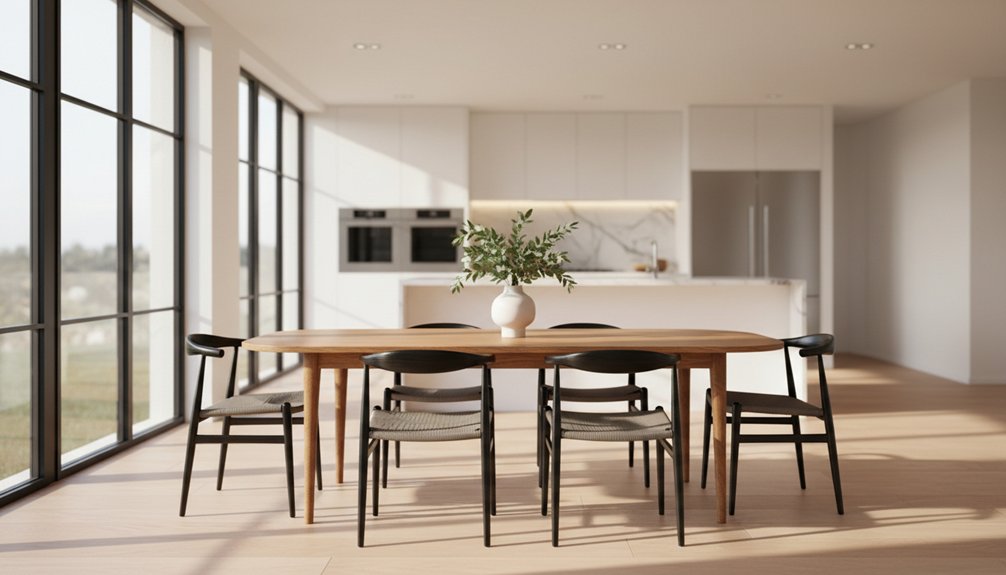
To boost your furniture dropshipping sales, set up Instagram Shopping using Facebook’s Commerce Manager. Upload your product catalogs with detailed descriptions and high-quality images. Showcase your furniture in realistic home environments instead of sterile showrooms to create relatable content. Utilize Stories and Reels, adding shopping stickers to facilitate direct purchases. Collaborate with home decor influencers who share your brand values to expand your reach. Optimize your hashtag strategy to increase visibility, and actively encourage user-generated content. This approach builds social proof and demonstrates your products in real-life settings, enhancing authenticity and trust with potential customers.
Setting Up Instagram Shopping Features for Maximum Furniture Sales
To effectively leverage Instagram Shopping for your furniture dropshipping business, you need to take specific steps to connect with potential customers.
First, connect your business account to Facebook’s Commerce Manager. This connection allows you to manage your product catalog efficiently.
Next, upload your product catalog with accurate descriptions, high-quality images, and competitive pricing. These elements are essential for attracting customers.
After your catalog gets approved, you can start tagging products in your Instagram posts and stories. This tagging creates a seamless shopping experience for your customers. They can view product details and prices directly on Instagram without navigating away from the app.
Implement shopping stickers in your stories and utilize the dedicated Shop tab on your profile. These features help convert casual browsers into buyers by making the purchasing process easier.
To summarize, connecting your business account to Commerce Manager, uploading a detailed product catalog, and utilizing Instagram’s shopping features will enhance your furniture sales. Additionally, consider offering white-label experiences to create a more personalized shopping journey for your customers.
Focus on providing clear product information and a straightforward shopping experience to maximize your success.
Creating Compelling Visual Content That Showcases Furniture in Real Spaces
Customers can’t physically interact with furniture when purchasing online. Therefore, create visual content that showcases furniture in realistic home settings.
Display furniture pieces in actual living spaces instead of sterile showrooms. Use real-life styling techniques by placing everyday items, such as books, plants, and personal accessories, around the furniture. This method helps customers visualize how the items will fit into their own homes.
Create authentic room displays with everyday accessories like books and plants to help customers envision furniture in their own homes.
Incorporate customer testimonials with photos of furniture in their actual spaces. These user-generated images provide authentic social proof and demonstrate real-world applications of the furniture.
Stage multiple room setups for each piece to highlight versatility and various styling options. Focus on proper lighting and angles that emphasize both functionality and aesthetic appeal. Additionally, consider showcasing unique handcrafted furniture to further engage potential buyers and differentiate your offerings.
Leveraging Instagram Stories and Reels to Drive Furniture Purchases
Instagram Stories and Reels effectively showcase furniture in dynamic ways. You can create time-lapse videos that demonstrate furniture assembly or room transformations. These videos show customers how to use the products and highlight their value.
Reels allow you to display different angles, textures, and functionalities of your furniture. Static images can’t capture these details, but Reels can engage potential buyers more effectively.
Instagram Stories provide tools for customer engagement. You can use polls to ask followers about their color preferences, style choices, or room layouts. This interaction helps you understand customer preferences and fosters a sense of community around your brand.
Organizing your content into story highlights is essential. You can create highlights for product categories, customer testimonials, and frequently asked questions. This organization makes it easy for customers to find information quickly.
Adding shopping stickers to both Stories and Reels allows customers to make direct purchases without leaving the app. This seamless shopping experience significantly increases conversion rates. Additionally, featuring items from the Recession Collection not only promotes affordability but also resonates with families seeking durable furniture during challenging times.
Building Strategic Partnerships With Home Decor Influencers
Home decor influencers build trust with their followers, which helps furniture dropshippers effectively reach specific audiences. Identify influencers whose style matches your furniture catalog and whose audience aligns with your target customers. Focus on collaborating with micro-influencers who’ve between 10,000 and 100,000 followers, as they tend to have higher engagement rates and more cost-effective partnership opportunities. Create partnerships with clear goals and measurable results. Provide influencers with selected furniture pieces to feature in their homes. This allows them to create authentic room transformations that highlight your products’ appeal in real-life settings. Additionally, consider showcasing handcrafted furniture to emphasize the unique qualities and personalization options available in your offerings. Encourage influencers to express their creativity while ensuring your brand’s visual identity remains consistent. Track the performance of these collaborations using unique discount codes, affiliate links, and engagement metrics. This data will help you measure the effectiveness of each campaign and refine your approach for future partnerships.
Optimizing Hashtag Strategy and User-Generated Content for Furniture Discovery
Influencer partnerships provide valuable exposure to our furniture brand, but a strategic hashtag approach and user-generated content are critical for increasing discoverability on Instagram.
First, conduct thorough hashtag research to find trending furniture tags and niche-specific keywords that resonate with our target audience. Use broad tags like #homedecor alongside specific ones like #midcenturymodernsofas to effectively reach diverse user segments.
Next, create branded hashtags for customer posts. Encourage customers to share photos of their purchases using these hashtags. This strategy helps us curate content that builds social proof and showcases our products in real-life settings.
Regularly monitor hashtag performance on a weekly basis, adjusting our strategy based on engagement rates to maximize visibility.
User-generated content is especially powerful because it displays our furniture in actual homes. This real-life representation allows potential customers to visualize our products in their own spaces, making the decision to purchase easier. Additionally, leveraging customizable options can enhance customer engagement by allowing them to showcase their unique selections and preferences.