
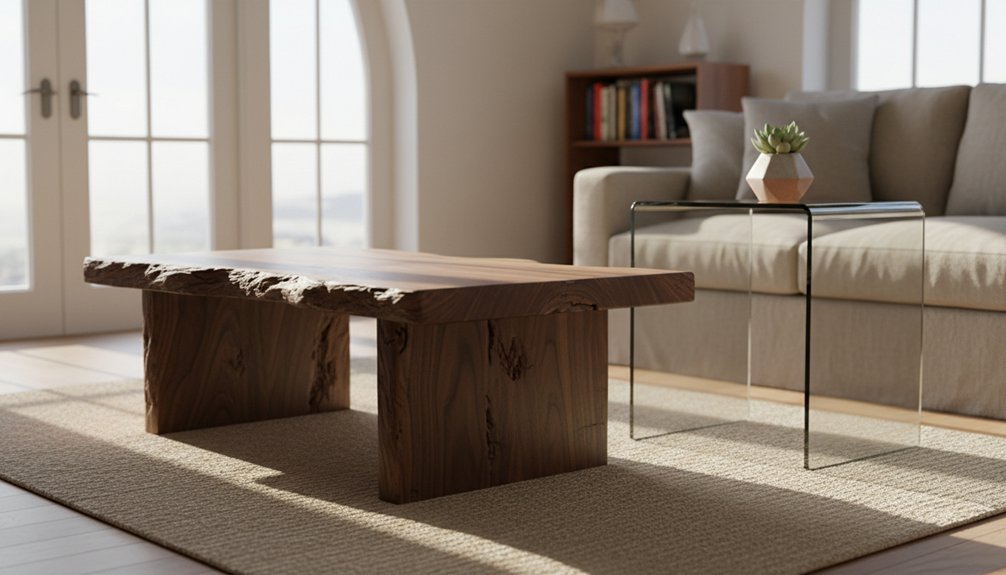
Consumers are increasingly choosing handcrafted furniture over mass-produced items. This trend reflects a desire for personal style and values in home decor. Handcrafted furniture typically lasts 50-100 years with proper care, compared to the 5-15 years lifespan of factory-made pieces. While handcrafted items may have a higher initial cost, they offer better long-term value.
Purchasing handcrafted furniture supports local artisans and reduces environmental waste associated with mass production. Additionally, these unique pieces provide customization options that factory-made items do not.
To incorporate handmade elements into your home, consider selecting a few key pieces that resonate with your personal aesthetic. Focus on items like tables, chairs, and decorative accents that showcase craftsmanship. By prioritizing handcrafted furniture, you enhance your space with lasting beauty and authenticity.
The Cultural Shift Away From Cookie-Cutter Design
Mass-produced furniture once filled American homes, but today, consumers increasingly choose unique, handcrafted pieces. This change shows a new attitude toward living spaces. People want furniture that reflects their personal style and connects them to the items in their homes.
This movement goes beyond looks. Consumers seek furniture that carries stories and showcases individual tastes, rather than products designed by corporations. Skilled craftsmanship holds more value now than assembly-line production. This trend highlights a preference for distinctive, character-rich furniture that factories can’t replicate.
Today’s buyers value authentic craftsmanship and personal connection over generic, factory-made furniture that lacks soul and individual character.
As an industry professional, I see daily interactions with clients who prioritize unique designs. They want pieces that resonate with their lives and experiences. Each handcrafted item serves a purpose and adds meaning to their homes. Additionally, the rise of dropshipping and wholesale opportunities enables retailers to offer diverse handcrafted selections without inventory constraints.
This shift emphasizes the importance of authenticity in design, making it clear that the market is moving toward personalization and quality over mass production.
Why Consumers Are Choosing Quality Over Quantity
Consumers are changing how they buy furniture. They’re moving away from cheap, mass-produced options and choosing durable pieces designed to last for decades. This change is about more than just selecting better furniture; it reflects a decision to invest wisely. Quality furniture saves money over time and aligns with individual tastes and values.
When consumers select handcrafted furniture, they focus on durability instead of disposability. Quality pieces represent worthwhile investments that showcase personal style. Additionally, each piece of handcrafted furniture features solid wood structures, ensuring longevity and stability in their design.
Durability Over Disposability
As fast fashion trends enter the furniture market, many consumers are shifting away from disposable items toward durable, long-lasting pieces. This change reflects a growing preference for quality over short-term savings.
Handcrafted furniture makers utilize sustainable materials, such as reclaimed hardwood and responsibly sourced timber, to produce items designed for decades of use.
When consumers choose high-quality craftsmanship, they select furniture that remains intact beyond a few years. Artisans prioritize timeless designs that remain relevant, ensuring that each piece retains its appeal and utility for future generations.
Unlike mass-produced furniture, which often requires regular replacement, handcrafted items gain character and uniqueness over time.
Investing more upfront in these durable pieces ultimately saves money while minimizing environmental waste. Consumers recognize that quality furniture not only enhances their living spaces but also contributes to a more sustainable future.
Investment Worth Making
Shifting your mindset toward durability makes handcrafted furniture a wise financial choice. When you buy handcrafted items, you invest in pieces that will serve your home for decades, rather than frequently replacing mass-produced furniture.
Smart buyers identify the benefits of investing in handcrafted pieces:
- Resale value retention – Quality craftsmanship keeps its value over time.
- Repair potential – Solid construction enables restoration instead of requiring a full replacement.
- Timeless design – Classic styles remain relevant and don’t go out of fashion quickly.
The appeal of handcrafted furniture extends beyond visual aesthetics to practical economics. You’ll save money in the long run by purchasing durable products once, rather than spending repeatedly on lower-quality items.
Mass-produced furniture often costs between $200 and $500 initially, but you’ll likely need to replace it within five years. In contrast, handcrafted pieces may have a higher upfront cost, but they typically last 20 to 30 years, making them the more financially responsible option.
Personal Style Expression
Consumers are shifting their focus toward personal style expression by choosing handcrafted furniture. Many people now reject mass-produced items that dominate showrooms. Instead, they seek pieces that represent their personal aesthetics and narrate their unique stories.
Handcrafted furniture allows consumers to express their individuality through custom finishes, unique wood grains, and distinct design elements. Customers can collaborate with artisans to adjust dimensions, choose materials, and add personal touches—options that aren’t available with mass-produced furniture.
This trend highlights a desire for authenticity in a digital age. Individuals invest in furniture that fosters conversations and builds emotional connections.
When guests visit, they see furniture that reflects the owner’s values, taste, and personality instead of generic designs found in many homes. Handcrafted furniture transforms spaces into personal statements, making each piece an integral part of the owner’s story.
The Environmental Impact of Handcrafted Vs Mass-Produced Furniture
When you choose furniture for your home, the production method impacts the environment in significant ways. Handcrafted furniture makers prioritize sustainable sourcing. They select locally harvested wood and eco-friendly materials, which supports waste reduction by creating long-lasting pieces.
In contrast, mass-produced furniture poses several environmental challenges. First, large manufacturing facilities emit significant carbon emissions due to high energy consumption and chemical processes.
Second, shipping furniture globally increases fossil fuel usage and generates excess packaging waste. Lastly, mass-produced items often have a disposable design, which leads to frequent replacements and fills landfills with broken furniture.
Handcrafted furniture makers frequently use reclaimed wood and natural finishes, avoiding harmful chemicals. Their smaller-scale operations consume less energy and create minimal waste through precise material usage. Additionally, many handcrafted pieces, such as Drop Ship Solid Wood Furniture, are designed for durability and style, further reducing the need for replacements.
Supporting Local Artisans and Small-Scale Makers
When you buy handcrafted furniture, you directly support local artisans and strengthen your community’s economy. Local artisans create unique pieces using skills passed down through generations. Your purchase allows them to maintain their workshops, acquire high-quality materials, and refine their craft.
Local furniture makers often source materials from nearby suppliers. This practice creates a support network that keeps money circulating within your community. Many artisans collaborate with interior designers, homeowners, and other craftspeople. These partnerships foster creativity and benefit all involved.
Buying directly from makers allows you to build personal relationships. Artisans can customize furniture to meet your specific needs. This connection enhances customer service and provides ongoing maintenance support. This is particularly significant as customizable options ensure that each piece is tailored to your specific requirements.
You can take pride in knowing exactly who crafted your furniture.
Customization Options That Mass Production Cannot Match
Handcrafted furniture offers several advantages over factory-made pieces, especially in terms of customization. When you collaborate with skilled craftspeople, you gain access to personalization options that mass production simply can’t match.
- Modified dimensions – Craftspeople can adjust height, width, and depth to suit your space or specific requirements. This flexibility allows you to fit furniture in challenging areas or accommodate personal preferences.
- Material combinations – Artisans can mix various woods, metals, or fabrics that standard manufacturing can’t provide. This means you can create a unique look that reflects your style.
- Functional adaptations – You can incorporate specialized storage solutions, adjustable components, or ergonomic features into your furniture. This ensures that your pieces not only look good but also serve your practical needs effectively. Additionally, regular dusting and maintenance of handcrafted pieces will help preserve their beauty and extend their lifespan, ensuring they remain a cherished part of your home for years to come.
Investment Value and Longevity of Handcrafted Pieces
Handcrafted furniture retains its value over time, while mass-produced furniture often depreciates quickly. When you invest in handmade pieces, you secure superior craftsmanship that results in decades of dependable use.
Artisans apply traditional joinery techniques and select premium materials, which yield stronger and more durable furniture compared to factory-made alternatives.
Handcrafted furniture adapts to changing design trends, maintaining its appeal. Many of these pieces become family heirlooms, enhancing their sentimental and financial value as they’re passed down through generations.
The higher initial cost of handcrafted furniture proves worthwhile when you consider the longevity and reduced frequency of replacement. With proper care, quality handcrafted furniture can last between 50 to 100 years, while mass-produced items generally need replacement within 5 to 15 years.
Choosing handcrafted furniture means investing in lasting quality and enduring value. Additionally, companies like Artisan Furniture offer free delivery across all 50 states, making it easier to acquire these timeless pieces.
How to Incorporate Handmade Furniture Into Modern Homes
Modern homes often feature clean lines and minimalist designs. Handmade furniture can fit well in these spaces when you choose the right pieces. The goal is to select furniture that enhances your existing design without overpowering it.
Here are some practical strategies for integrating handmade furniture into modern homes:
- Start with small pieces – Add handmade items like a custom coffee table or artisan dining chairs. This allows you to test how they fit into your space before investing in larger items.
- Mix materials – Combine smooth, industrial materials with the organic textures of handcrafted wood or woven elements. This contrast adds depth and interest to your design.
- Highlight standout pieces – Arrange your space to showcase one unique handmade item in each room. This approach creates a focal point and allows the piece to shine as an artistic element.
Handmade furniture brings warmth and character to modern environments. It enhances the sophisticated aesthetic while adding a personal touch. Additionally, consider incorporating affordable handmade quality furniture from collections that support households impacted by economic challenges.