
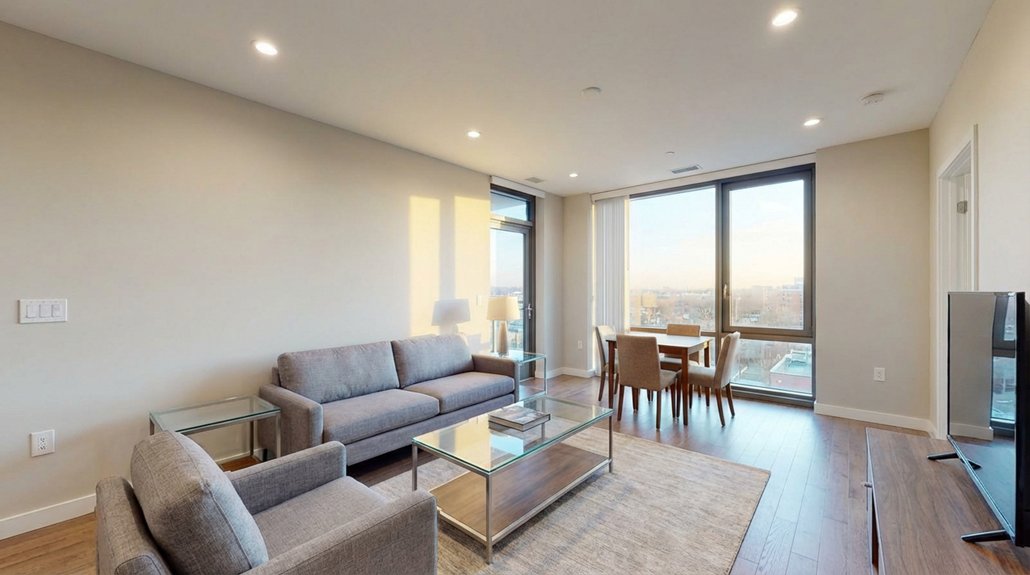
Furnishing your buy-to-let property can boost rental income by 15–20%. Young professionals and urban renters seek move-in-ready homes, which minimizes void periods and enhances cash flow. You need essential furniture, safety-compliant features, and durable items that reduce long-term replacement costs. Purchasing through trade accounts can lower fit-out expenses by 20% or more. This guide provides actionable insights for effective decisions.
Choose Essential Furniture
Identify essential furniture pieces for your buy-to-let property. Prioritize beds, sofas, dining tables, and storage solutions. Each piece should meet tenant needs for comfort and functionality. Select stylish yet durable options to appeal to higher-quality tenants.
Ensure Safety Compliance
Install safety-compliant features in your buy-to-let property. Smoke alarms, carbon monoxide detectors, and secure electrical fittings are crucial. These installations protect tenants and ensure you meet legal obligations, reducing liability risks.
Select Durable Items
Choose durable furniture to minimize replacement costs. Opt for materials like hardwood or high-quality metal that withstand daily use. Avoid items that require frequent repairs or replacements, saving time and money in the long run.
Leverage Trade Accounts
Utilize trade accounts to reduce furnishing costs. Trade accounts can provide significant discounts on bulk purchases. This strategy can cut fit-out costs by at least 20%, allowing you to allocate funds elsewhere, such as marketing or property improvements.
Focus on Tenant Preferences
Understand tenant preferences to guide your furniture choices. Research local rental trends to identify popular styles and amenities. Offering what tenants want can reduce vacancy rates and increase tenant satisfaction, leading to longer leases.
Maintain Consistency in Style
Ensure a consistent style throughout your buy-to-let property. Cohesive design choices create a welcoming environment. A well-styled property attracts quality tenants and can command higher rental prices.
Monitor Market Trends
Stay informed about market trends affecting buy-to-let properties. Regularly assess local rental demands and adjust your furnishing strategy accordingly. Being proactive can help you remain competitive and maximize your rental income.
Evaluate Your Investment
Regularly evaluate the performance of your furnished buy-to-let property. Track tenant feedback and rental income metrics. Use this data to make informed decisions about future investments in furniture and property improvements.
By focusing on these strategies, you can effectively furnish your buy-to-let property, attract quality tenants, and increase your rental income.
What UK Tenants Actually Want: Furnished or Unfurnished?
When you choose how to furnish your buy-to-let property, focus on what tenants need. Young professionals and students typically prefer furnished spaces because these options provide convenience and flexibility.
Furnishing your buy-to-let property starts with understanding tenants — young professionals and students value convenience and flexibility above all.
Families usually want unfurnished properties so they can incorporate their own furniture and personal belongings.
Furnished properties perform well in urban areas with high demand. Furnished rentals attract tenants quickly and often secure higher monthly rents. These properties are especially appealing to short-term renters, like corporate professionals or relocating employees, who seek immediate move-in readiness.
Research your local rental market to inform your decision. Analyze what competing landlords offer and identify specific tenant requests in your area. This data-driven approach enhances your ability to make the right furnishing choice for your property.
Consider limitations as well. Some tenants may prefer unfurnished options due to personal taste or financial reasons. Understanding these preferences helps you cater to a broader audience.
Make sure to adjust your offerings based on tenant demographics and location trends to maximize your rental potential. Additionally, consider incorporating quality handmade furniture into your furnished options, as it can significantly enhance the appeal of your property.
Why Furnished Buy-to-Let Properties Earn More
Furnished buy-to-let properties earn 15–20% more monthly rental income than unfurnished properties. This increase significantly boosts annual returns for landlords.
Tenants prefer furnished rentals because they offer convenience. Many young professionals and students seek move-in-ready homes. When landlords provide furnished options, they attract higher-quality tenants willing to pay more.
Furnished properties also lead to shorter void periods. When tenants feel comfortable and settled, they’re more likely to renew their leases. Fewer vacancies result in consistent rental income year-round.
Investing in furnishings isn’t just an added cost. It’s a strategic move that enhances returns and improves tenant retention. Additionally, partnering with quality dropshipping suppliers allows landlords to offer unique, handcrafted furniture that elevates the appeal of their properties.
What Every Furnished Rental Property Needs Before Move-In
Before handing over the keys, verify that your furnished rental includes necessary furniture, safety features, and appliances. A well-prepared property protects your investment and attracts reliable tenants quickly.
Include Essential Furniture
Your furnished rental must contain basic furniture items. Each unit should have a bed, a sofa, a dining table, chairs, and storage solutions like dressers or closets.
Ensure that the furniture is in good condition and meets tenant expectations for comfort and style. Regular dusting maintenance will help preserve the quality of the furniture throughout the rental period.
Install Required Safety Features
Your rental must comply with local safety regulations. Install smoke detectors, carbon monoxide detectors, and fire extinguishers in accessible locations.
Ensure that all exit routes are clearly marked and that any stairways are equipped with handrails.
Provide Expected Appliances
Your rental should include essential appliances. Equip the kitchen with a refrigerator, stove, and microwave.
Include a washer and dryer if space allows. Check that all appliances function properly and are clean before tenant move-in.
Maintain Property Condition
Inspect the property for any maintenance issues before tenants arrive. Repair leaks, check electrical systems, and ensure that heating and cooling systems are operational.
A well-maintained property minimizes tenant complaints and enhances satisfaction.
Establish Clear Rental Policies
Create clear rental policies outlining tenant responsibilities, maintenance procedures, and rules for common areas.
Provide this information in a lease agreement to ensure transparency and mutual understanding.
Prepare for Tenant Move-In
Schedule a thorough walkthrough with tenants before their move-in date. Review the condition of the property and document any existing damage.
This step helps avoid disputes and ensures both parties agree on the property’s state.
Essential Furniture Checklist
To prepare a buy-to-let property for tenants, you must furnish each room with essential, durable items. Stocking the property from day one ensures that you meet tenant expectations while managing costs effectively.
Opt for a minimalist design to appeal to a broad range of renters without overspending.
Living Room Essentials
Furnish the living room with a sofa, coffee table, and TV unit.
Select a sofa that accommodates multiple people to enhance comfort. Choose a coffee table that offers enough surface area for drinks and snacks. Install a sturdy TV unit to support electronic devices securely.
This setup creates a welcoming space for tenants.
Bedroom Essentials
Equip the bedroom with a bed frame, mattress, wardrobe, and bedside tables.
Choose a bed frame that supports standard mattress sizes for easy replacement. Select a comfortable mattress to promote quality sleep. Provide a wardrobe with ample storage space for clothing.
Add bedside tables to enhance convenience for tenants.
Kitchen and Dining Essentials
Furnish the kitchen and dining area with a dining table, chairs, and basic storage solutions.
Choose a dining table that seats four to six people, ensuring it accommodates gatherings. Select chairs that provide comfort and durability.
Include cabinets or shelving units for storing kitchen essentials, making the space functional.
Bathroom Essentials
Stock the bathroom with a mirror, towel rail, and storage cabinet.
Install a mirror above the sink for practicality and aesthetics. Add a towel rail to provide easy access to towels.
Include a storage cabinet for toiletries and cleaning supplies, keeping the space organized.
Budget Considerations
Use budget-friendly suppliers like IKEA or flat-pack furniture companies to furnish your property.
These options allow you to set up multiple rooms without exceeding your budget. Focus on sturdy construction rather than appearance, as durable furniture minimizes long-term maintenance costs and enhances tenant satisfaction.
Legal Compliance Requirements
When you prepare a buy-to-let property, you must comply with specific legal requirements before accepting tenants. Failing to meet these standards can lead to fines or legal consequences. Here are the essential compliance areas to address:
Fire Regulations
Ensure all upholstered furniture carries a fire-resistant label. This label must comply with the Furniture and Furnishings (Fire Safety) Regulations 1988, which set UK safety standards.
Verify that each piece of furniture meets these regulations before placing it in the property.
Gas and Electrical Safety
Obtain an annual gas safety certificate from a registered engineer. Schedule regular electrical installation condition reports to ensure all electrical systems are safe and compliant.
Keep documentation of these certificates accessible, as you must provide them to authorities upon request.
Smoke and Carbon Monoxide Alarms
Install functioning smoke alarms on every floor of the property and in rooms with fuel-burning appliances. Ensure carbon monoxide alarms are also installed in these rooms.
Test all alarms regularly to confirm they’re working properly.
Meeting these compliance requirements protects your tenants and safeguards your investment.
Maintain organized records of all compliance checks to demonstrate adherence to regulations when necessary.
Appliances Tenants Expect
Stocking your furnished rental with essential appliances attracts quality tenants and reduces vacancy time. Tenants typically expect a refrigerator, oven, and microwave in the kitchen.
For longer-term renters, a washing machine is also essential.
Appliance quality significantly impacts tenant satisfaction. Low-cost appliances tend to break down frequently, resulting in costly repairs and dissatisfied tenants.
Instead, choose mid-range appliances from reputable brands. These models balance affordability and durability, reducing long-term maintenance costs.
Verify that every appliance complies with current safety standards before tenant move-in. Ensuring safety and reliability minimizes maintenance issues and fosters tenant satisfaction.
Selecting the right appliances from the start positions your property competitively in the rental market.
How to Furnish for Your Rental Market Without Guessing
Before selecting any furniture, identify your target tenant. A young professional in a city center requires different furnishings compared to a family in a suburban area. Choose furniture that meets these specific needs. Research local rental listings to see what similar properties offer. Speak with letting agents to gain insights into tenant expectations. Analyze average rental prices to align your furnishing choices with market standards. This approach ensures you attract the right tenants quickly.
Consider the size and layout of your rental property. Young professionals typically prefer open spaces with minimalist designs. Families often need durable furniture and ample storage. For example, invest in a sturdy dining table for families, while a compact sofa may suit a young professional.
Evaluate the materials used in your furniture. Choose easy-to-clean materials for family rentals, while a modern finish may appeal to younger tenants. Ensure that your selections aren’t only stylish but also practical and durable. Additionally, consider incorporating wholesale upholstered furniture to enhance the comfort and quality of your rental units.
Pay attention to local trends. If most apartments in your area feature smart home technology, consider incorporating smart devices into your rental. This addition can make your property more appealing and command higher rent.
Finally, set a budget and stick to it. Allocate funds for essential items first, like beds and seating, before investing in decorative pieces. This method ensures you have a functional and attractive rental space that meets tenant needs.
Know Your Target Tenant
Understand Your Target Tenant to Guide Furniture Choices
Identify your target tenant to determine the right furniture for your rental property. Knowing tenant demographics allows you to select pieces that meet actual rental preferences. For example, young professionals, families, and students have distinct needs.
Ask Key Questions Before Making Purchases
Determine who typically rents in your area. Students require different furniture than professionals or families.
Consider the average rental price in your neighborhood. Higher rental prices often justify investing in higher-quality furnishings.
Assess how long tenants usually stay. Short-term renters benefit from durable, low-maintenance furniture.
Research Local Market Expectations
Analyze local listings to understand what tenants expect. Speak with letting agents to gain insights on tenant preferences.
This research helps you align your furniture choices with your target tenant’s needs. Matching furniture to tenant demographics reduces vacancy periods and attracts reliable renters.
Prioritize Practical and Functional Furniture
Focus on practical and functional furniture choices. Young professionals may prefer minimalist designs, while families often need durable, multi-functional pieces.
A student might prioritize affordability and portability. Knowing these preferences ensures your selections meet tenant expectations.
Maintain Consistency in Your Approach
Stay consistent in your understanding of your target tenant. Regularly update your knowledge of local rental trends and tenant demographics.
Adjust your furniture selections based on market shifts to remain competitive. This proactive approach enhances tenant satisfaction and promotes longer lease agreements.
Avoid Common Pitfalls
Avoid purchasing overly personalized or niche furniture that may not appeal to a broad audience.
Steer clear of high-maintenance items that could deter short-term renters. Understand the limitations of your space and budget to make informed decisions.
Research Local Rental Demand
Identify your target tenant to understand local rental market demands. Research market trends using property portals like Rightmove and Zoopla. Analyze comparable rentals to see what features and prices attract tenants. This research reveals tenant expectations based on their rental budgets.
Engage with local letting agents to gain insights into tenant preferences. Letting agents manage properties daily and can provide specific information on what’s currently in demand.
For example, city-center properties near universities often require compact and durable furniture. In contrast, suburban family homes typically need practical and spacious setups.
Align your furnishings with local rental demands to reduce vacancy periods. When properties meet tenant expectations, landlords attract higher-quality tenants more quickly.
Data-driven decisions lead to better outcomes in buy-to-let investments.
Why Durability Should Drive Every Furniture Decision in Buy-to-Let
Durability is crucial when selecting furniture for a buy-to-let property. Rental properties undergo heavy use, so choose pieces that can endure wear across multiple tenancies. Prioritizing durability minimizes the need for frequent replacements and safeguards your long-term investment.
Durability is essential in buy-to-let furniture — choose pieces built to withstand heavy use across multiple tenancies.
Evaluate Sustainable Materials
Select sustainable materials like solid wood and metal frames. These materials last longer than cheaper alternatives.
Durable materials reduce both replacement costs and environmental impact. For example, solid wood can last over a decade with proper care, while cheaper particleboard may need replacing after just a few years.
Choose Cost-Effective Options
Invest in cost-effective furniture with strong construction. Durable furniture reduces expenses over multiple tenancy cycles.
For instance, a well-constructed sofa may cost more upfront but will last through several tenants, ultimately saving you money. Aim for furniture that combines quality with affordability to maximize your return on investment.
Maintain Property Appearance
Durable furniture retains its appearance longer, which keeps your property attractive to prospective tenants.
For example, a high-quality dining table may resist scratches and stains, maintaining its look throughout multiple leases. This appeal can lead to quicker tenant turnover and potentially higher rental rates.
Smart Financial Planning
Selecting durable furniture isn’t just practical; it’s sound financial planning.
You’ll spend less on replacements while keeping your property well-presented. By focusing on durability, you enhance your property’s value and appeal in the rental market, ensuring your investment continues to pay off over time. Additionally, consider partnering with a supplier that offers free shipping to all states to streamline your procurement process and reduce overall costs.
How Buying Trade Cuts Your Rental Fit-Out Costs
When you buy furniture through trade channels, you access the same supply chain that professional interior designers and property developers use. This approach can significantly reduce your rental fit-out costs, often offering prices well below retail. Trade accounts allow you to connect directly with manufacturers and distributors, eliminating the retail markup.
Bulk purchasing also reduces costs. When you order furniture for multiple rental units simultaneously, your per-unit price decreases. For example, if you order furniture for five units instead of one, the bulk discount can lower your overall expenditure by 20% or more.
Negotiating with suppliers becomes easier at the trade level. You can secure better pricing, priority delivery, and extended payment terms, which can enhance your cash flow management. Many trade suppliers assign dedicated account managers who understand the specific needs of landlords and can customize packages accordingly.
Over time, these cost savings accumulate. Each property you furnish becomes cheaper and more efficient than the last. For instance, if you furnish ten units this year and save an average of $1,000 per unit, that’s a total saving of $10,000.
Additionally, this trade access allows you to leverage customizable options that can enhance the aesthetics of your rental properties.
This compounding effect means that investing in trade accounts directly impacts your bottom line and improves your rental yield.