
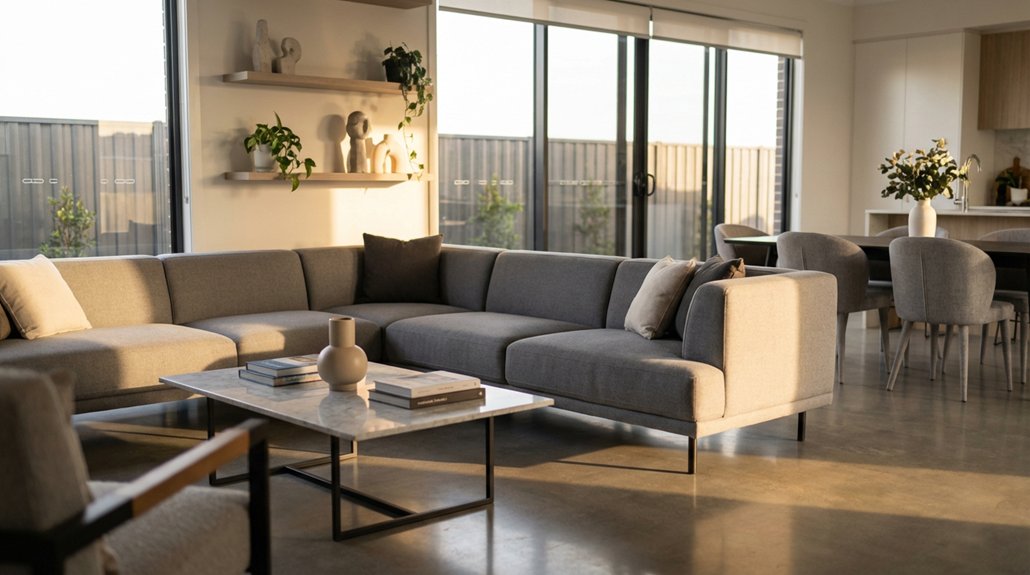
Furnished new builds sell 20–25% faster than empty units and can achieve a 10–15% price premium. Buyers make decisions 30% quicker when they see a fully staged, move-in ready space. You can replicate this success by standardizing furniture specifications, partnering with wholesale suppliers, and using consistent staging layouts for each unit type. This method creates a streamlined approach that enhances the appeal of your developments.
Standardize Furniture Specifications
Standardizing your furniture specifications allows for consistency across all units. Consistent furniture designs reduce costs and simplify the procurement process. When you have a clear list of required items, you can easily communicate with wholesale suppliers to ensure timely deliveries and quality products.
Partner with Wholesale Suppliers
Partnering with wholesale suppliers ensures you receive quality furniture at lower prices. These suppliers can provide bulk discounts that improve your profit margins. Establishing strong relationships with these suppliers allows you to negotiate better terms and streamline the ordering process.
Use Consistent Staging Layouts
Using consistent staging layouts for each unit type improves buyer perception. A well-planned layout highlights the space’s potential and makes it easier for buyers to visualize living there. By repeating layouts across similar units, you create a recognizable style that enhances brand identity and buyer trust.
Limitations and Edge Cases
While this approach works effectively, some high-end developments may require customized staging to attract specific buyers. Additionally, market trends can shift, making certain styles less desirable. Regularly assess buyer feedback and market conditions to adapt your staging strategies accordingly.
By standardizing furniture specifications, partnering with wholesale suppliers, and using consistent staging layouts, you can sell furnished new builds faster and at higher prices. This method not only enhances buyer engagement but also streamlines your development process, ultimately increasing your bottom line.
Why Furnished New Builds Sell Faster and For More Money
Furnishing new builds increases sales speed and property value. Buyers enter furnished homes and immediately visualize a finished living space. This clarity influences their decision-making process. Research shows that staged and furnished homes sell about 20% faster than empty homes and often at higher price points.
Furnishing transforms a house into a lifestyle. Buyers connect emotionally with well-decorated spaces, leading to quicker offers. Developers who furnish their new builds consistently achieve better sales results than those who leave homes unfurnished. For example, homes in competitive markets that are furnished can see offers within days, while empty homes may linger for weeks or months.
Furnishing new builds reduces buyer uncertainty. When buyers can see how furniture defines space and functionality, they can more easily envision their lives there. This reduced guesswork shortens the time on the market and enhances the property’s perceived value. Investing in furniture isn’t merely an expense; it’s a strategic decision with measurable returns. Developers can expect a return on investment of up to 10% for furnished homes compared to their unfurnished counterparts. This approach not only helps in closing deals faster but also in achieving higher sale prices.
Additionally, partnering with dropship suppliers can streamline the furnishing process, making it easier for developers to access quality furniture without holding inventory.
In summary, furnishing new builds effectively attracts buyers, accelerates sales, and enhances property value. Not furnishing a new build limits its market appeal and prolongs the sales timeline.
Developers must prioritize this strategy to maximize their returns in today’s competitive real estate landscape.
How Furnishing New Build Units Affects Sale Price and Completion Speed
Furnishing new build units significantly increases sale price and accelerates completion. By implementing effective pricing strategies and understanding the impact of furniture, developers can position their properties favorably against competitors. Buyers are more likely to respond quickly when they can envision themselves in a furnished space.
Furnishing Increases Perceived Value
Furnishing a unit increases its perceived value. Buyers feel that a well-furnished space justifies a higher price. For example, a unit priced at $300,000 may feel like a better deal if it includes modern furniture and decor, making buyers more willing to pay.
Furnishing Shortens Decision Time
Furnishing a unit shortens the decision-making process for buyers. When a space is move-in ready, buyers can visualize their lifestyle in that environment.
Statistics show that furnished units can reduce decision time by up to 30%, allowing for quicker commitments.
Furnishing Supports Higher Asking Prices
Furnishing supports higher asking prices by presenting a complete, move-in-ready product. Developers can list furnished units at a 10-15% premium compared to unfurnished units.
This pricing strategy attracts buyers looking for convenience and immediacy.
Furnishing Reduces Time on Market
Furnishing a unit reduces its time on the market. Furnished units typically sell 20-25% faster than their unfurnished counterparts.
A unit that might sit unsold for several months can see offers within weeks when properly furnished. Furthermore, utilizing free delivery options can enhance the attractiveness of furnished units, making them even more appealing to potential buyers.
Conclusion
Furnishing new build units directly affects sale price and completion speed. Developers who furnish strategically attract buyers more effectively, leading to quicker sales and improved profit margins.
How to Build a Repeatable Furniture Spec for New Build Developments
Furnishing units effectively accelerates sales and increases prices. The next step involves creating a repeatable furniture specification for every development. A standardized specification allows you to select a core set of furniture pieces, finishes, and layouts that apply to various unit types. This approach ensures you don’t start from scratch for each project.
As you expand across multiple developments, maintaining this consistency saves time, minimizes supplier confusion, and stabilizes costs.
Define Core Furniture Pieces
Identify the essential furniture items for your units. Choose specific sofas, tables, and beds that fit the target market. Select finishes that appeal to buyers, such as modern or classic styles.
Consistently using these core pieces simplifies procurement and fosters brand identity across developments.
Standardize Layouts
Develop standardized layout templates for different unit types. Create a layout for one-bedroom, two-bedroom, and studio apartments.
These templates help visualize space utilization and ensure each unit feels functional and inviting. Consistent layouts enhance buyer familiarity and streamline the design process.
Establish Supplier Relationships****
Build strong relationships with suppliers who provide your chosen furniture pieces. Negotiate bulk pricing based on consistent orders across developments.
This approach reduces costs and ensures reliable delivery schedules. A stable supplier network supports timely project completions and minimizes disruptions.
Implement Quality Control Measures****
Set quality control standards for furniture and finishes. Inspect all items upon delivery to ensure they meet your specifications.
This step prevents costly reorders and maintains the quality of each unit. Quality control measures build buyer trust and enhance overall satisfaction.
Evaluate Performance Metrics
Track sales data and buyer feedback for furnished units. Analyze which furniture styles and layouts lead to quicker sales and higher prices.
Use this data to refine your specifications over time. Continuous evaluation ensures your furniture specification adapts to market trends and buyer preferences.
Consider Limitations and Constraints
Recognize potential limitations in your repeatable specification. Some developments may require unique adaptations based on location or target demographics.
Stay flexible to adjust your core pieces or layouts as needed while maintaining the overall framework. Regular dusting and maintenance of the furniture is essential to preserve its appearance and longevity.
Standardising Your Furniture Selections
Standardise Your Furniture Selections for New Build Properties
Standardising your furniture selections can streamline the development of multiple new build properties. A well-defined furniture specification saves time and reduces costs. By aligning your choices with current furniture trends and buyer preferences, you create a reliable template that can be used across various projects.
Create a Defined Style Direction
Establish a specific style direction that matches buyer expectations. This direction should reflect modern aesthetics and practical functionality. For example, if you target young professionals, focus on contemporary designs and minimalist furniture that appeals to their lifestyle.
Develop a Core Set of Furniture Pieces
Compile a core set of furniture pieces that you reorder consistently for each development. Choose items that are versatile and durable. For instance, select a specific sofa model, dining table, and bed frame that work well in various room layouts and styles.
This approach ensures that you maintain consistency across projects while reducing sourcing time.
Identify Preferred Suppliers
Identify preferred suppliers who provide reliable stock and competitive wholesale pricing. Build relationships with these suppliers to ensure timely deliveries and consistent quality.
For example, partnering with a local supplier for upholstery can reduce shipping costs and lead times.
Establish Room-by-Room Guidelines
Create room-by-room guidelines that outline furniture placement and design elements. This framework allows for consistency while still enabling flexibility in each project.
For example, specify a standard living room layout but allow variations in color schemes and decorative accessories to suit different target markets.
Streamline the Ordering Process
Once you have finalised your furniture specification, streamline the ordering process. A standardised approach allows for quicker decisions and ensures consistent quality across all developments.
This efficiency lets you focus on critical tasks, such as marketing and selling properties quickly at competitive prices.
Scaling Specs Across Developments
Scaling Furniture Specifications Across Developments
To effectively scale standardized furniture selections across multiple developments, create a comprehensive master specification document. This document must include every furniture piece, supplier, finish, and dimension used in your projects. This ensures your team can replicate the specifications accurately from one site to another.
Build strong relationships with wholesale suppliers who can consistently fulfill identical orders across different locations. Confirm that each supplier maintains adequate stock levels to meet the demands of simultaneous projects. This reduces the risk of delays and ensures a steady supply chain.
Organize your specifications by property type—such as apartment, townhouse, or duplex. This categorization allows your team to identify the appropriate package for each project easily. A structured system minimizes procurement errors and shortens delivery timelines, ensuring that every unit meets the same quality standards.
Incorporate checklists to verify that all specifications are met before orders are placed. This step prevents oversights and guarantees that the final products align with your established standards.
Additionally, monitor the performance of suppliers regularly to ensure they continue to meet your quality and delivery expectations.
Which Furniture Styles and Finishes Buyers Expect in UK New Builds
When furnishing a new build development in the UK, focus on contemporary minimalist styles to satisfy buyer preferences.
Buyers expect furniture that features neutral tones such as warm greys, soft whites, and muted beiges. These colors create a clean and versatile look that appeals to various tastes.
Durability is crucial; buyers look for finishes like matt lacquers, powder-coated metals, and scratch-resistant surfaces. These finishes ensure that furniture withstands daily wear and tear.
Selecting materials that combine aesthetics with practical durability will meet buyer expectations effectively. Additionally, offering dropship solid wood furniture can enhance the appeal due to its durability and style.
Contemporary Minimalist Styles Dominate
Contemporary Minimalist Styles Shape UK Home Buyers’ Expectations
Contemporary minimalist styles dominate UK new builds, influencing buyer expectations. Buyers now seek homes that feature clean lines, neutral color schemes, and uncluttered spaces. These elements create functional, polished environments.
Buyers prefer quality over quantity, which results in purposeful, refined spaces.
Staging New Builds with Minimalist Design
Staging new builds with contemporary minimalism effectively connects with buyers. Minimalist staging creates a calm atmosphere, allowing buyers to envision their lives in the space.
The layout highlights functionality, making rooms feel move-in ready and accessible. Moreover, minimalist design enhances the perception of space, making rooms appear larger and brighter.
Emotional Impact of Minimalist Staging
Minimalist staging evokes a lifestyle that aligns with modern aspirations. By presenting uncluttered spaces, buyers can easily visualize their future in the home.
This emotional connection encourages quicker decisions and strong offers. Serious buyers respond positively to environments that reflect their desire for simplicity and elegance.
Conclusion: The Value of Minimalist Design
Contemporary minimalist design in UK new builds meets buyers’ expectations for functional and appealing homes.
By emphasizing clean lines and open spaces, staging professionals can create environments that resonate with buyers, leading to faster sales and higher offers.
Adopting this approach in new builds maximizes market appeal and enhances buyer engagement.
Neutral Tones Preferred
Neutral tones dominate the preferences of UK new build buyers, influencing the styles and finishes of furniture that staging professionals use. Buyers consistently choose neutral palettes, including whites, greys, warm beiges, and soft greiges. These tones create spacious, clean environments that feel move-in ready.
Tone Category Impacts Furniture Choices
- Warm Beige: Staging professionals use matte and brushed finishes on sofas, rugs, and wardrobes. These choices enhance warmth and comfort in living areas.
- Cool Grey: Gloss and textured finishes are popular for kitchen units and bed frames. These options provide a modern, sleek look that appeals to many buyers.
- Soft White: Satin and lacquered finishes work well for dining tables and storage units. These finishes contribute to a bright, airy atmosphere.
Developers who stock furniture in these neutral tones sell staged units more quickly. Buyers envision themselves in these spaces, making purchase decisions easier.
Staging with neutral palettes aligns with buyer expectations and accelerates sales.
Durable Finishes Buyers Want
Durable Finishes in UK New Builds
Buyers in UK new builds want furniture that not only looks appealing but also lasts. They prioritize durability to ensure their investments withstand daily use. Understanding buyer preferences allows developers to select materials that meet both practical needs and aesthetic desires.
Key Features Buyers Seek
Buyers look for scratch-resistant surfaces**** on tables and cabinets. These surfaces endure daily wear and tear without showing damage. Investing in scratch-resistant finishes prevents complaints and reduces the likelihood of replacements.
Buyers also demand stain-resistant upholstery**** on sofas and dining chairs. This feature simplifies cleaning and maintenance, which appeals to busy households. Choosing stain-resistant fabrics enhances buyer satisfaction and encourages repeat business.
Buyers expect powder-coated or brushed metal frames** that resist rust** and wear. These finishes provide long-lasting support for furniture, especially in moist environments. Selecting these materials ensures durability and reduces the need for repairs.
Buyers appreciate high-pressure laminate finishes** on storage units**. These finishes maintain their appearance over time, resisting scratches and fading. Using high-pressure laminate helps developers deliver reliable products that meet buyer expectations.
Conclusion
Incorporating durable finishes aligns with buyer preferences in UK new builds. By selecting materials that offer scratch resistance, stain resistance, rust prevention, and durability, developers can strengthen their reputation for quality.
Focusing on these features minimizes complaints, accelerates project completion, and enhances customer satisfaction.
What to Ask Suppliers When Buying New Build Furniture at Volume
When buying new build furniture in large quantities, asking the right questions can save you time and money while ensuring a smooth process.
Focus on supplier reliability and volume discounts to establish a solid foundation before placing any orders.
What’re your lead times?
Ask suppliers about their lead times to understand how delays can impact your project handover dates.
Look for clear timelines, ideally with buffer options, to account for unexpected issues.
Do you offer volume discounts?
Inquire about volume discounts to reduce your per-unit costs.
Seek tiered pricing based on order size, which can lead to significant savings as your order quantity increases.
How do you handle damaged items?
Understanding how suppliers manage damaged items protects your investment.
Confirm that the supplier has a fast replacement policy in place to minimize disruptions to your project.
Address these questions early in your discussions. Additionally, ensure you are aware of their packaging and delivery methods to safeguard the integrity of the furniture during transport.
A reliable supplier will provide clear, confident answers and written confirmation, setting the stage for a productive working relationship.
How to Coordinate Furniture Delivery to Site Without the Headache
After securing a supplier and finalizing your order, focus on coordinating furniture delivery to the site. Efficient delivery logistics prevent delays and protect your budget. Poor coordination can lead to complications that impact your project timeline.
Understand the Costs of Poor Coordination
Poor coordination leads to delays that extend your project timeline. For example, if deliveries arrive late, your sales launch may be postponed.
Poor coordination causes delays — and a delayed delivery could mean postponing your sales launch entirely.
Additionally, leaving furniture exposed on-site can cause damage, resulting in extra costs. When workers wait for missing deliveries, productivity decreases. If buyers see an unfinished property, they may decide to walk away, costing you potential sales.
Collaborate with Your Supplier for a Phased Delivery Plan
Work directly with your supplier to create a phased delivery plan. Confirm access times, elevator availability, and site contacts before deliveries begin.
A shared schedule helps align your team and the supplier, ensuring everyone stays informed about delivery timelines and any changes. This collaboration is vital for leveraging trade only supply and ensuring timely arrivals.
Maintain Clear Communication Throughout the Process
Establish a clear communication channel between your team and the supplier. Regular updates about delivery status keep everyone on the same page.
If there are any delays or changes, address them immediately to avoid disruption on-site.
Prepare the Site for Deliveries
Ensure the delivery site is ready before furniture arrives. Clear pathways and designated unloading zones facilitate smooth deliveries.
If the site isn’t prepared, it can lead to delays and potential damage to the furniture.
Monitor Deliveries and Adjust as Needed
Track the delivery schedule closely and adjust as necessary. If a delivery is delayed, communicate promptly with your team and the supplier.
Having a backup plan ready minimizes disruptions and keeps the project on track.