
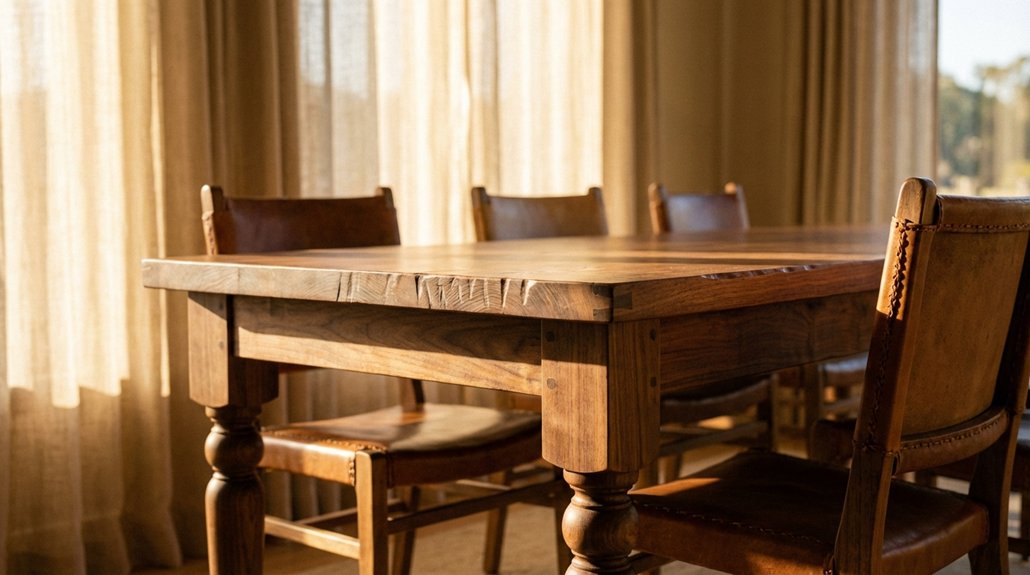
When you choose handmade furniture for your hospitality business, you invest in durable pieces that can last for decades. In contrast, flat-pack furniture typically lasts only 3-5 years. Artisan craftsmanship provides superior strength and design flexibility, allowing for customization that mass-produced options lack. Solid timber materials resist warping, which reduces replacement costs over time. This durability improves guest experiences and fosters brand loyalty.
Handmade furniture offers a unique aesthetic that aligns with your brand identity. You can tailor designs to fit specific themes or color palettes, enhancing the overall ambiance of your establishment. This customization makes your space inviting and memorable for guests.
In addition to aesthetics, handmade furniture enhances functionality. For example, custom tables can be designed to fit specific floor plans, maximizing both space and comfort. This attention to detail improves operational efficiency, allowing staff to serve guests better.
On the financial side, investing in handmade furniture can lead to lower long-term costs. With proper care, these pieces can last significantly longer than flat-pack options, reducing the frequency and cost of replacements. This investment ultimately contributes to a stronger bottom line.
In summary, handmade furniture stands out in the hospitality sector due to its longevity, customization, aesthetic appeal, and financial benefits. By choosing artisan pieces, you make a decision that supports both your brand and your guests.
Why Handmade Furniture Outlasts Flat-Pack in Hospitality Settings
When you furnish a hotel, restaurant, or café, you prioritize durability as a financial necessity. Flat-pack furniture, made from compressed wood and weak adhesives, breaks down quickly under heavy daily use. In contrast, handmade furniture, crafted from solid timber and robust joinery, lasts significantly longer.
For example, artisan pieces can endure decades, while flat-pack items often require replacement within three to five years.
Handmade furniture offers superior design flexibility. Craftsmen tailor dimensions, finishes, and styles to align precisely with your brand identity. Flat-pack options restrict you to predefined designs with limited choices.
Handmade furniture gives you full control over dimensions, finishes, and styles, ensuring every piece reflects your brand perfectly.
By investing in handmade pieces, you ensure reliable performance, lower replacement costs, and maintain visual consistency in your hospitality space. Additionally, artisan furniture emphasizes customization and flexibility, allowing you to create unique pieces that perfectly fit your environment.
Durability Comparison
Handmade furniture withstands daily wear and tear better than flat-pack options. Solid timber and quality joinery provide strength that flat-pack materials lack.
For instance, a handmade table can support significant weight without warping, while a flat-pack table might buckle under similar pressure.
Design Versatility
Artisan furniture allows for custom dimensions, finishes, and styles. Craftsmen work with you to create pieces that reflect your brand’s aesthetic.
In contrast, flat-pack furniture offers a limited selection, forcing you to compromise on design. For example, you might need a specific table size for a café layout; handmade furniture can meet that requirement, while flat-pack options may not.
Cost Efficiency
Investing in handmade furniture reduces long-term costs. Durable pieces require fewer replacements, saving you money over time.
For instance, a handmade chair can last 15 years or more, while flat-pack chairs might need replacing every two to three years. This difference significantly impacts your overall budget.
Conclusion
Choosing handmade furniture provides tangible benefits in durability, design, and cost efficiency. By prioritizing solid timber and skilled craftsmanship, you ensure that your hospitality space remains visually appealing and functional for years to come.
What Handmade Furniture Actually Costs Over Five Years
Hospitality owners often see the upfront price of handmade furniture and hesitate. However, a five-year analysis reveals that investing in artisan pieces leads to lower overall expenses. Here’s a breakdown of the factors that contribute to long-term savings:
- Frequent Replacement of Flat-Pack Furniture: Owners typically replace flat-pack furniture two to three times more often than handmade options. This frequency increases costs significantly over five years.
- Lower Repair Costs for Handmade Items: When damage occurs, repairing handmade furniture is often cheaper than replacing flat-pack items entirely. You save money by extending the life of your pieces.
- Reduced Downtime During Refits: Durable handmade furniture minimizes operational downtime during renovations. This reliability ensures that your establishment continues to function smoothly.
- Maintained Guest Satisfaction: High-quality furniture enhances guest experiences, leading to positive reviews and repeat bookings. Satisfied guests are more likely to return, boosting long-term revenue.
- Higher Resale Value: Artisan-made furniture retains greater resale value compared to mass-produced alternatives. This means you recover more of your initial investment when you decide to sell.
In financial terms, when you calculate the annual cost of handmade furniture, it often comes out lower than that of cheaper options. Additionally, the seamless integration options for e-commerce platforms help streamline purchasing processes, further enhancing operational efficiency.
Investing in quality pieces means you aren’t just purchasing furniture; you’re making a strategic choice that safeguards your budget throughout your operational seasons.
How to Keep Solid Wood Looking New in a Busy Venue
Maintaining solid wood furniture is essential for its longevity, especially in busy venues. Train staff to wipe spills immediately because moisture damages exposed wood grain.
Solid wood furniture demands immediate attention — train staff to wipe spills before moisture penetrates the grain.
Use pH-neutral cleaning products instead of harsh chemicals that can strip protective finishes over time. Regular dusting techniques help prevent buildup and maintain the furniture’s appearance.
Schedule Regular Professional Care
Schedule professional re-oiling or re-waxing every six to twelve months. The frequency depends on foot traffic and how often the furniture is used.
Professional finishes provide a barrier against heat, stains, and wear. Select finishes specifically rated for commercial environments; consumer-grade products may not hold up under heavy use.
Implement Simple Protective Habits
Place felt pads under decorative items to prevent scratches.
Encourage staff to use coasters consistently on tables. These simple actions significantly extend the lifespan of solid wood furniture without requiring large ongoing investments.
Avoid Common Mistakes
Avoid using abrasive cleaners that can damage the surface.
Don’t ignore moisture spills; letting them sit can lead to permanent damage.
Regular maintenance and immediate action on spills are crucial to keeping solid wood furniture looking new in busy environments.
Replacing One Damaged Piece Without Losing the Whole Set
When a piece of solid wood furniture sustains irreparable damage, you can replace just that piece without needing to overhaul your entire collection. Skilled artisans can create custom replacements that match your existing furniture perfectly.
Seamless Integration with Custom Replacements
Artisans provide seamless integration by matching essential attributes of your existing furniture. They ensure that the replacement matches:
- Wood Species and Grain Direction: The artisan uses the same type of wood and replicates the grain pattern.
- Finish Tone and Sheen Level: The replacement is finished to match the color and gloss of adjacent pieces.
- Joinery Style and Construction Method: The artisan employs the same joinery techniques to maintain structural integrity and appearance.
- Overall Dimensions and Proportions: The replacement piece is crafted to the exact size to fit within the existing layout.
- Aging Characteristics: The artisan mimics the wear and aging of surrounding pieces for a cohesive look.
Limitations of Flat-Pack Furniture
Flat-pack furniture sets often lack the flexibility for custom replacements. Discontinued components can create gaps in your collection that can’t be filled without replacing larger sections.
This often compromises the visual coherence of your space.
Benefits of Handmade Furniture Solutions
By opting for handmade furniture, you invest in a long-lasting solution that addresses real-world wear while preserving the aesthetic of your interior. Additionally, each piece is crafted from solid wood structures, ensuring durability and longevity. Custom replacements allow you to maintain the integrity of your set without unnecessary expense.
Why Handmade Furniture Becomes Part of What Guests Remember
Handmade furniture enhances the guest experience by providing unique and intentional details. When property owners select artisan pieces, they create memorable environments that flat-pack furniture can’t replicate. Guests may forget the thread count of sheets, but they’ll remember a solid wood dining table or a hand-carved headboard.
These distinctive elements contribute to a property’s identity and photograph well, encouraging guests to share their experiences online.
Handmade Furniture Signals Quality and Care
Handmade furniture signals quality and craftsmanship. Guests recognize the effort involved in creating each piece, which fosters a sense of appreciation. This attention to detail differentiates a property from competitors, making it a more attractive choice for potential visitors.
Unique Aesthetics Shape Guest Perceptions
Unique aesthetics shape how guests perceive their stay. A well-crafted piece of furniture adds a layer of authenticity that resonates with visitors. For instance, a custom-made coffee table can serve as a conversation starter, enhancing social interactions among guests. This connection to the space can lead to positive reviews and repeat bookings.
Building Brand Identity Through Craftsmanship
Building a brand identity through craftsmanship is crucial for property owners. By consistently using handmade furniture, owners communicate a commitment to quality and design. This approach not only attracts discerning guests but also establishes a reputation that can lead to long-term success.
Limitations of Flat-Pack Furniture
Flat-pack furniture lacks the character and uniqueness of handmade items. While it may be cost-effective, it often results in a generic atmosphere that fails to leave a lasting impression. Properties that prioritize handmade furniture typically achieve higher guest satisfaction rates and better online reviews. Additionally, trade only furniture suppliers can provide access to unique, high-quality pieces that enhance a property’s appeal.
Conclusion
Incorporating handmade furniture into a property creates distinct advantages. It enhances guest experiences, signifies quality, shapes perceptions, builds brand identity, and sets properties apart in a competitive market. Prioritizing craftsmanship not only meets guest expectations but also fosters loyalty and positive word-of-mouth.