
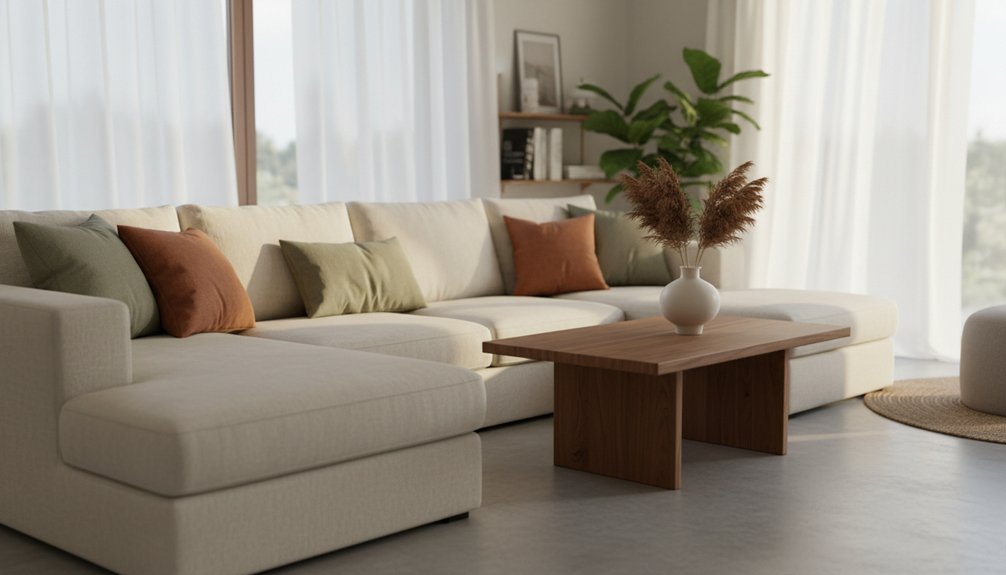
Showcasing furniture in realistic room settings boosts e-commerce conversions. Customers are 40% more likely to buy when they see furniture in relatable environments. Use lifestyle photography to create these settings, ensuring natural lighting enhances the visual appeal. Implement the 60-30-10 color scheme to create balance and cohesion in the room designs. Feature seasonal transformations to demonstrate how furniture adapts to different styles and occasions.
Encourage customers to share user-generated content, like before-and-after photos of their spaces. This builds social proof and helps potential buyers visualize the product in their own homes.
Track conversion metrics to measure the effectiveness of your room-based content strategy. Conduct A/B testing to refine your approach and maximize sales impact. By focusing on these strategies, you can create a more engaging shopping experience that converts browsers into buyers.
The Psychology Behind Room-Based Shopping: Why Context Drives Purchase Decisions
Context influences every purchase decision you make, often without your awareness. When customers view furniture displayed against plain white backgrounds, they find it hard to imagine how those pieces will fit into their homes. This difficulty leads to uncertainty and abandoned shopping carts.
Room-based shopping addresses this issue by showcasing furniture in complete room settings. This method allows customers to visualize products in realistic environments. Customers make decisions based on emotional connections, not just product details.
Research indicates that customers are 40% more likely to make a purchase when they see furniture arranged in rooms similar to their own. This context provides crucial visual cues that help customers understand scale, color coordination, and functionality, which static product images fail to convey. Additionally, dropship programs can enhance this experience by offering quick delivery of curated room settings that resonate with potential buyers.
Creating Immersive Lifestyle Content That Showcases Real Living Scenarios
You can create effective lifestyle content by focusing on three specific scenarios that reflect your customers’ everyday lives.
First, showcase seasonal room transformations to illustrate how a single space can change throughout the year. For example, demonstrate how to arrange furniture for cozy winter gatherings, then transition to a bright and airy summer setup.
Next, highlight multi-functional solutions that cater to spaces serving different purposes. Show how a home office can quickly convert into an entertaining area by using adaptable furniture. This helps customers visualize practical applications in their own homes.
Finally, include family-focused arrangements that highlight how your furniture accommodates real-life situations with children, pets, and busy schedules. For instance, display durable materials that withstand wear and tear while maintaining style. This approach helps potential buyers see how your products fit seamlessly into their lives. Additionally, featuring drop ship solid wood furniture can emphasize durability and style in family-friendly settings.
Seasonal Room Transformations
When customers shop for furniture online, they seek pieces that can adapt to their living spaces throughout the year. You can effectively showcase this adaptability by presenting seasonal room transformations.
Highlight how the same furniture arrangement can fit different seasonal themes, such as using light colors for spring and cozy textures for winter.
Focus on how lighting changes can enhance each season while keeping the overall aesthetic intact. Show customers that functional styles can adjust with simple seasonal decor changes, rather than requiring a complete redesign.
Illustrate how comfort zones can evolve with design trends while maintaining core furniture pieces.
This method helps customers visualize their investment across different seasons, making them feel more confident in their purchasing decisions.
Multi-Functional Space Solutions
Modern consumers require furniture that serves multiple purposes in compact living spaces. You can attract these buyers by showcasing adaptable furniture that maximizes space efficiency while maintaining aesthetic appeal.
Highlight ottomans that offer storage solutions, dining tables that convert into workspaces, and modular seating that demonstrates design versatility.
Functional decor decreases clutter and supports lifestyle adaptability. Show customers how a minimalist approach enhances spatial planning without sacrificing style.
Present real families using convertible coffee tables, wall-mounted desks, and expandable shelving systems in their daily lives.
Create room tours that illustrate seamless transitions from morning workouts to evening entertainment. Build trust by demonstrating that smart furniture choices allow comfortable living in smaller spaces without compromising functionality or visual appeal.
Family-Focused Living Arrangements
Stock photography often fills furniture marketing, but showcasing real families creates deeper emotional connections with buyers. When you feature authentic family scenarios, you attract more interest.
For instance, show parents assisting children with homework at the dining table. Capture teenagers relaxing on sectional sofas during movie nights.
Document various family activities to illustrate how your furniture supports daily life. Display breakfast preparations in kitchen nooks. Highlight game nights around coffee tables. Show parents reading bedtime stories in comfortable chairs. These scenes help customers picture their own families in similar moments.
Focus on cozy gatherings that demonstrate your furniture’s comfort and durability. Promote multi-generational celebrations, holiday meals, and relaxed weekend mornings.
These real-life scenarios transform product listings into relatable lifestyle aspirations.
Visual Storytelling Strategies That Transform Product Displays Into Dream Spaces
You can turn basic product photos into engaging dream spaces by using practical lifestyle photography techniques that showcase furniture in realistic settings. Your room styling should create clear visual stories that help customers envision how each piece can enhance their home.
Focus on capturing the furniture in relatable environments, such as a cozy living room or a vibrant dining area. By doing this, you establish a strong emotional connection between the furniture and the customer’s lifestyle aspirations.
Use natural lighting to highlight textures and colors, making the furniture look inviting and attractive. Arrange the pieces thoughtfully to create a balanced composition that draws the eye and encourages customers to imagine themselves using the furniture.
This approach goes beyond simple product shots; it transforms the display into a narrative that resonates with potential buyers. Handcrafted furniture often showcases unique patterns and natural variations that add to its charm, making it more appealing in styled settings.
Always consider the target audience when styling these spaces. For example, if you’re showcasing a modern sofa, place it in a contemporary setting with complementary decor. This helps reinforce the idea that the furniture fits seamlessly into their lives.
Lifestyle Photography Techniques
Successful furniture retailers recognize that customers seek more than just products; they desire a transformed living space. To achieve this, your lifestyle photography must create an emotional connection.
Focus on composition techniques that showcase furniture in realistic environments. Use warm lighting to invite viewers into the scene, and select color palettes that complement the furniture while ensuring visual harmony.
To effectively stage your shots, apply the rule of thirds to create balance and incorporate depth with layered elements. Choose props that enhance the featured furniture without overshadowing it. Include models to provide human scale and demonstrate how the furniture functions in everyday life.
Control shadows, highlights, and background elements to create a specific ambiance. These techniques help turn static product shots into compelling narratives.
Room Styling Composition
Room styling composition plays a crucial role in furniture marketing. It creates visual stories that resonate with customer aspirations. Start by arranging your furniture to guide viewers’ eyes through the space. Use strategic layouts to make the most of the area available.
To achieve design balance, combine elements in a way that creates an appealing scene. Here’s how to implement key design elements effectively:
| Design Element | Implementation Strategy |
|---|---|
| Color Schemes | Apply the 60-30-10 rule to create harmonious color palettes. |
| Texture Mixing | Mix smooth, rough, and soft materials to add depth. |
| Decor Accents | Incorporate 3-5 accessories in each focal area for visual interest. |
| Lighting Effects | Layer ambient, task, and accent lighting to enhance the atmosphere. |
Maintain style cohesion throughout your design by sticking to consistent themes and visual hierarchy. Position the main furniture piece prominently, then arrange supporting elements around it. This method elevates product displays into lifestyle scenes that encourage customers to envision themselves in the space, ultimately increasing sales.
Building Emotional Connections Through Curated Room Collections and Design Narratives
Storytelling enhances customer engagement with furniture by creating experiences that extend beyond basic product displays. When you craft emotional narratives around your furniture pieces, you help customers understand how each item fits into their everyday lives.
Curated collections should represent complete room setups instead of isolated products. Design narratives allow customers to visualize using your furniture in practical scenarios. For instance, you can describe enjoying morning coffee at a dining table or gathering for family movie nights on a sectional sofa.
Transform isolated furniture displays into complete lifestyle experiences that help customers envision their daily moments within beautifully coordinated spaces.
These narratives make furniture purchases feel relevant and significant. By grouping multiple pieces in themed collections, customers grasp how these products work together to form cohesive living spaces that mirror their values and aspirations. Featuring pieces from the Recession Collection not only highlights affordability but also resonates with families navigating challenging times.
When you focus on creating these connections, you drive home the importance of emotional storytelling in furniture marketing. It’s about showing how each piece contributes to a larger picture of comfort and functionality in daily life.
Leveraging User-Generated Content and Customer Room Transformations for Authentic Inspiration
Why depend on professional photography when your customers can effectively market your products? User-generated content showcases actual customer spaces, allowing potential buyers to connect with the real-life applications of your furniture.
Authentic customer testimonials build trust that polished marketing can’t achieve.
Encourage customers to document their transformation journeys with before-and-after photos. These images demonstrate how your furniture addresses specific design challenges.
Create hashtags and social media campaigns that invite customers to share their experiences. Real customer room makeovers provide genuine inspiration that resonates with potential buyers facing similar decorating issues.
Highlight customer stories on your website and social media. Featuring these transformations shows your furniture’s versatility and builds social proof that influences purchasing decisions.
Engaging with customers in this way fosters a sense of community and empowers them to share their unique experiences. This approach not only enhances your brand image but also drives sales by showcasing the real impact of your products. Additionally, partnering with trade-only furniture wholesalers like Artisan Furniture can help you offer a curated selection of unique pieces that cater to your customers’ diverse tastes.
Measuring Success: Key Metrics and Conversion Optimization Techniques for Room Inspiration Campaigns
After launching your room inspiration campaigns and collecting user-generated content, you must track their performance to identify what drives conversions. Use analytics tools to monitor content performance across various traffic sources and effectively measure your return on investment (ROI).
Start by implementing conversion tracking to determine which room setups lead to actual purchases. Conduct A/B testing to compare the effectiveness of different layouts, color schemes, or product arrangements on user engagement. Gather customer feedback to understand what resonates with your audience. Use audience segmentation to analyze which demographics respond best to specific styles.
| Metric Category | Key Indicators |
|---|---|
| User Engagement | Time on page, social shares, saves |
| Conversion Performance | Click-through rates, cart additions, purchases |
| Sales Funnels | Path analysis, drop-off points, completion rates |
Regularly monitor these metrics to optimize your campaigns and enhance conversion rates. Focus on user engagement metrics to improve content appeal. Analyze conversion performance to identify successful elements. Evaluate sales funnels to pinpoint areas for improvement. This systematic approach ensures that you continuously refine your strategies for better results. Additionally, incorporating regular dusting into your content can enhance the overall appeal of your furniture offerings.